
December 18, 2025
Read This Before Traveling to the Galápagos

Before you step onto the tarmac in the Galápagos, before the first sea lion bark echoes across the dock, there’s something important to understand: this is not a typical destination.
The islands operate differently, by design. Every rule, every fee, every small logistical detail exists to protect one of the most intact ecosystems on Earth.
Before you set off, there are a few important things to know, from documents and fees to what to pack and what daily life looks like on the islands. Preparing ahead is an essential part of the experience. This guide covers the essentials so you can arrive prepared, relaxed, and ready to fully enjoy your Galápagos adventure.
Prepare Your Perspective
What to Watch, Read, or Listen To Before Your Trip
The Galápagos rewards curiosity. The more you understand before setting foot on lava trails or slipping into the water, the more meaningful every moment becomes.
Spending a little time learning about the islands ahead of your trip helps you connect with what you’ll see once you’re here. From iconic David Attenborough documentaries to thoughtful podcasts and books on the islands’ history, evolution, and conservation, there’s a wealth of high-quality content that brings the Galápagos to life before you arrive.
You don’t need to become an expert. Even a basic understanding of how species evolved here, and why this ecosystem is so fragile, adds depth to every hike, snorkel, and wildlife encounter. It’s also helpful to familiarize yourself with the Galapagos National Park Rules before you travel. Maintaining distance from animals, staying on marked trails, and never touching or feeding wildlife are not just recommendations, they are core conservation practices that protect species that evolved without fear of humans.
If you’d like a few curated suggestions, take a look at our Pre-Trip Guide: Galápagos Books, Films, Podcasts, and Documentaries and start connecting with the islands before you arrive.
How knowledge changes wildlife encounters.
Learning about the Galápagos gives context to what unfolds in front of you. A marine iguana warming itself on black lava isn’t just a striking sight, it’s the only sea-going lizard on Earth, uniquely adapted to cold currents and volcanic landscapes. Finches aren’t just birds flitting through shrubs; their subtle differences helped shape our understanding of evolution itself.
In the Galápagos, wildlife doesn’t perform. It simply exists. And when you understand the story behind what you’re seeing, each encounter becomes more respectful, more powerful, and far more unforgettable.
Understanding the Practicalities
Time Zones to Keep in Mind
- Mainland Ecuador: GMT –5
- Galápagos Islands: GMT –6
The islands are one hour behind Quito and Guayaquil.
Currency & ATMs
The official currency in Ecuador and the Galápagos Islands is the U.S. Dollar (USD).
ATMs are available on Santa Cruz, San Cristóbal, and Isabela, but they can be unreliable due to connectivity issues. We strongly recommend withdrawing sufficient cash in Quito or Guayaquil before flying to the islands.
While the Galápagos National Park entry fee can now be paid by cash or card, many local businesses, taxis, small restaurants, markets, and shops, still operate cash-only. Small denominations ($1, $5, $10, $20) are preferred, and bills should be clean and untorn, as damaged notes are often refused.
Credit and debit cards are accepted in some hotels and restaurants, but connectivity issues and occasional surcharges are common. Even if you plan to use an airport ATM, always carry backup cash in case it’s out of service.
As a reference, a typical meal in the Galápagos costs $8–15 USD, while a higher-end meal ranges from $20–40 USD.

Mandatory Fees
There are two main fees all travelers should be aware of:
Transit Control Card (TCT): $20 USD per person: Mandatory for all visitors entering the Galápagos.
Galápagos National Park Entrance Fee: $200 per person: Paid upon arrival and directly supports conservation and community programs.
The park fee directly supports conservation initiatives, invasive species control, environmental monitoring, and community programs administered through the Galápagos National Park.
These fees are not simply administrative, they are a core part of how the islands protect their fragile ecosystems while supporting local residents.
For full details, visit our guide on Galápagos Entry Requirements, and if you’d like to know exactly what to expect at the airport, explore our Galápagos flight walkthrough.
Tipping Services
In mainland Ecuador, a 10% service charge is often added to restaurant bills. In the Galápagos, this practice varies, so it’s always good to review your receipt.
On Galakiwi tours:
- Tips for drivers and boat crew are generally included.
- Tips for certified naturalist guides are not included and are a meaningful way to show appreciation.
A common guideline is $10–15 USD per person, per day for your guide.
Guides in the Galápagos undergo extensive training and certification. Their role combines safety management, ecological interpretation, and strict adherence to National Park regulations. Their expertise shapes the depth and quality of your experience.
Health, Safety & Active Exploration
Traveling With a Tour Group
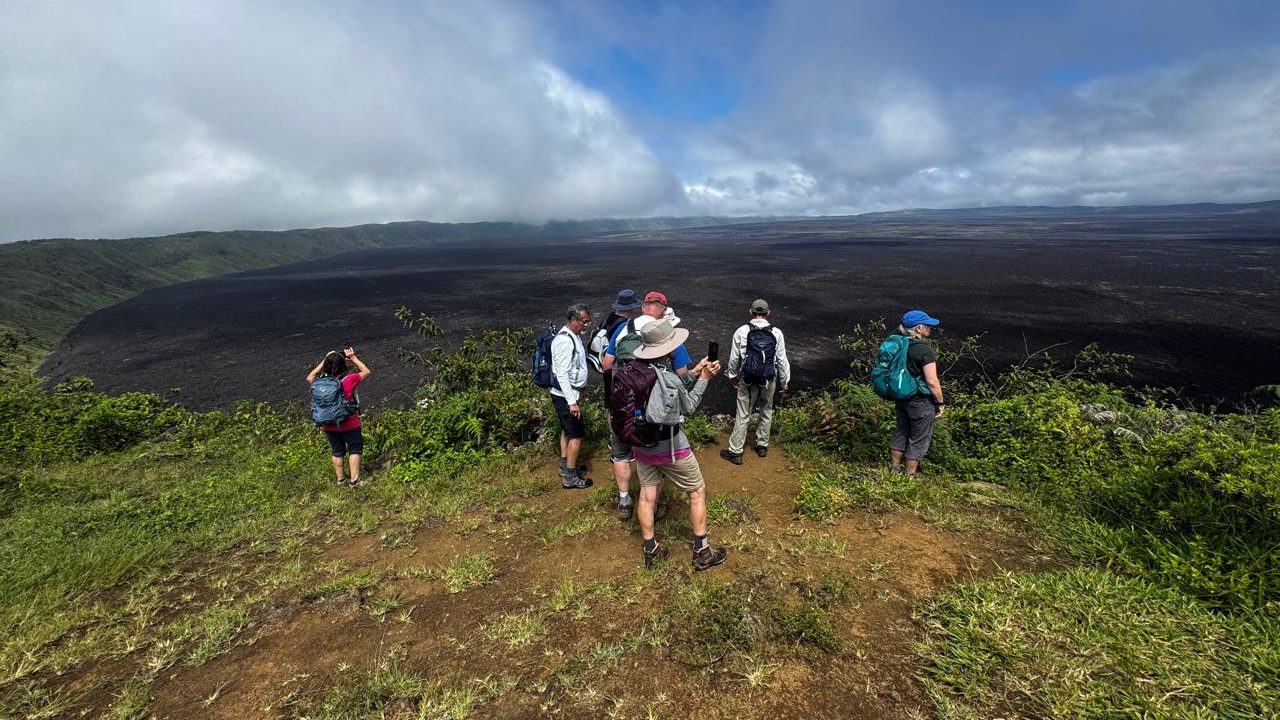
Traveling through the Galápagos as part of a small group can greatly enhance your experience. You’ll share wildlife encounters, hikes, and snorkels with travelers who are just as curious and engaged, often turning the journey into a social and enriching adventure. Group travel also allows naturalist guides to share deeper insights, answer questions in real time, and help everyone better understand what they’re seeing.
A few simple habits make group travel even better: arrive on time, stay flexible, and follow park guidelines. Wildlife sets the schedule here, and some of the most memorable moments happen when plans adapt to nature.
Curiosity is encouraged. Asking questions deepens the experience, and Galakiwi guides love sharing their knowledge, turning each outing into a shared learning moment.
Small groups truly matter in the Galápagos. While park rules allow up to 16 guests per guide, Galakiwi prefers fewer. Smaller groups mean less impact, smoother logistics, and more intimate wildlife encounters.
This is where land-based tours truly shine. Staying on the islands provides a more relaxed rhythm than large-vessel cruising, with time to rest between activities and greater flexibility to adjust plans based on weather, wildlife activity, or group energy. You’ll also experience island life firsthand, returning each evening to comfortable hotels and locally owned restaurants.
Safety & Health
At Galakiwi, safety is always our top priority. Exploring the Galápagos is an active adventure, with hikes, snorkeling, and time spent on boats, so a little preparation goes a long way.
Before your trip, we strongly recommend having travel insurance and checking your gear ahead of time. Make sure your hiking shoes are well broken in to avoid blisters or discomfort, and pack proper sun protection, hats, sunglasses, and reef-safe sunscreen are essential. The equatorial sun is strong, even on cloudy days.
Staying hydrated is equally important. Carry water with you throughout the day and take regular breaks, especially during outdoor activities. You’ll find a detailed essentials-to-pack list below to help you prepare.
We also recommend packing a small personal first-aid kit, including:
- Waterproof bandages
- Blister prevention (moleskin or similar)
- Antibiotic cream
- Seasickness medication, if you’re prone
Your Galakiwi guide will carry safety equipment, but having personal essentials on hand is always helpful.

Practical Preparation: Gear, Clothing & Connectivity
Essentials to Pack
Thoughtful packing allows you to move comfortably between sun, sea, and highland mist. Here are a few must-haves for your Galápagos trip:
- Insect repellent (travel-size is usually enough)
- Reusable water bottle (we provide refills throughout the tour)
- Personal toiletries and prescription medications
- Reef-safe sunscreen (SPF 30+, waterproof, UVA/UVB)
Reef-safe sunscreen and reusable bottles are particularly important. Marine ecosystems here are fragile, and reducing chemical runoff and plastic waste supports long-term conservation.
Most hotels provide only basic soap, so bring anything specific you need.
Gear & Clothing Tips
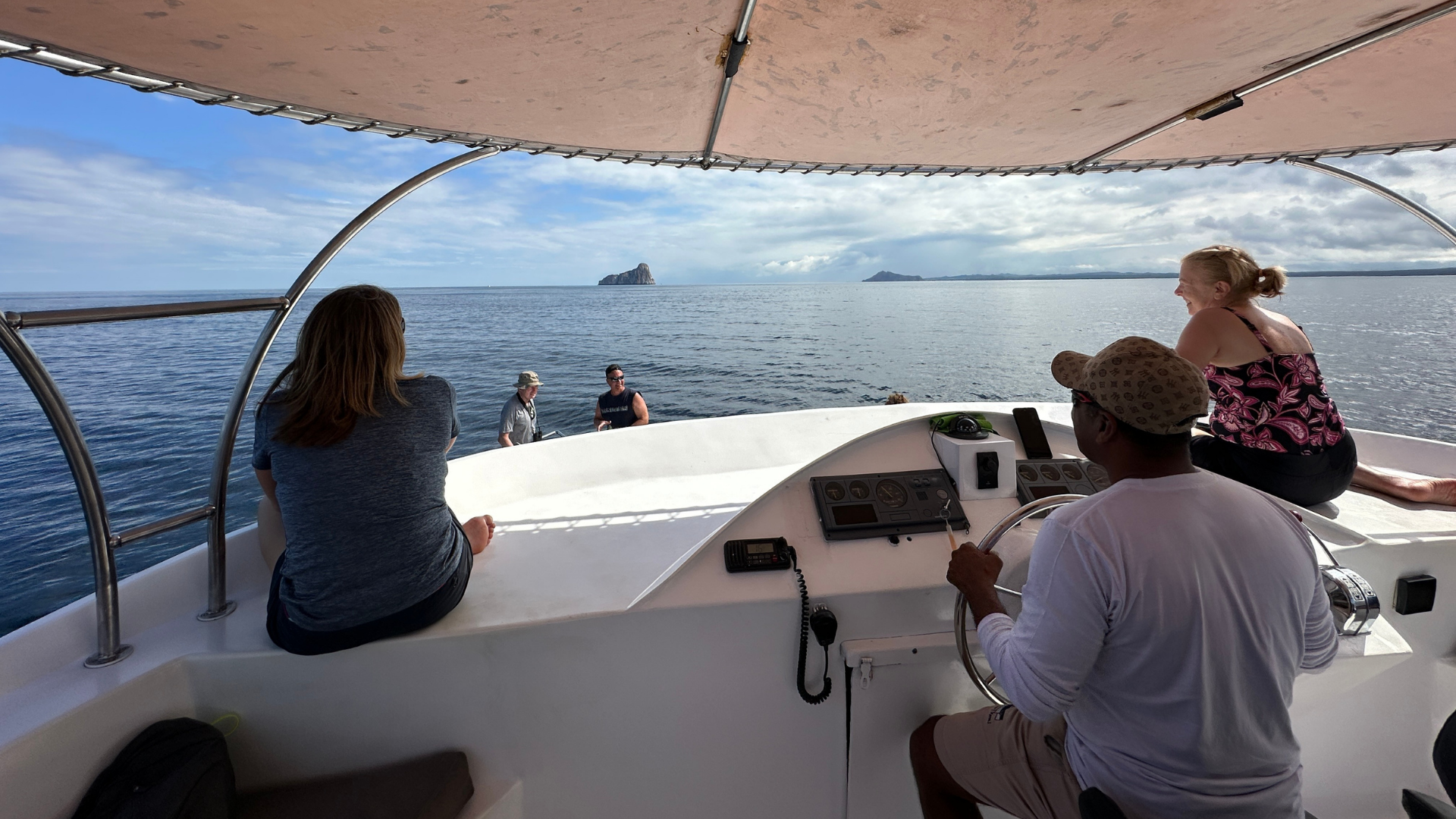
The Galápagos climate can change quickly depending on the season. It’s not uncommon to go from bright sunshine to rain in a matter of minutes, especially in the highlands, where mist and drizzle can appear without warning. Conditions at sea can shift just as fast, if you head to the front of the boat to spot passing marine life, occasional splashes are part of the experience. This is where versatile, adaptable gear really matters, be sure to pack:
- A lightweight rain jacket with a hood is useful even if rain isn’t forecast.
- A long-sleeved rash guard adds warmth and sun protection.
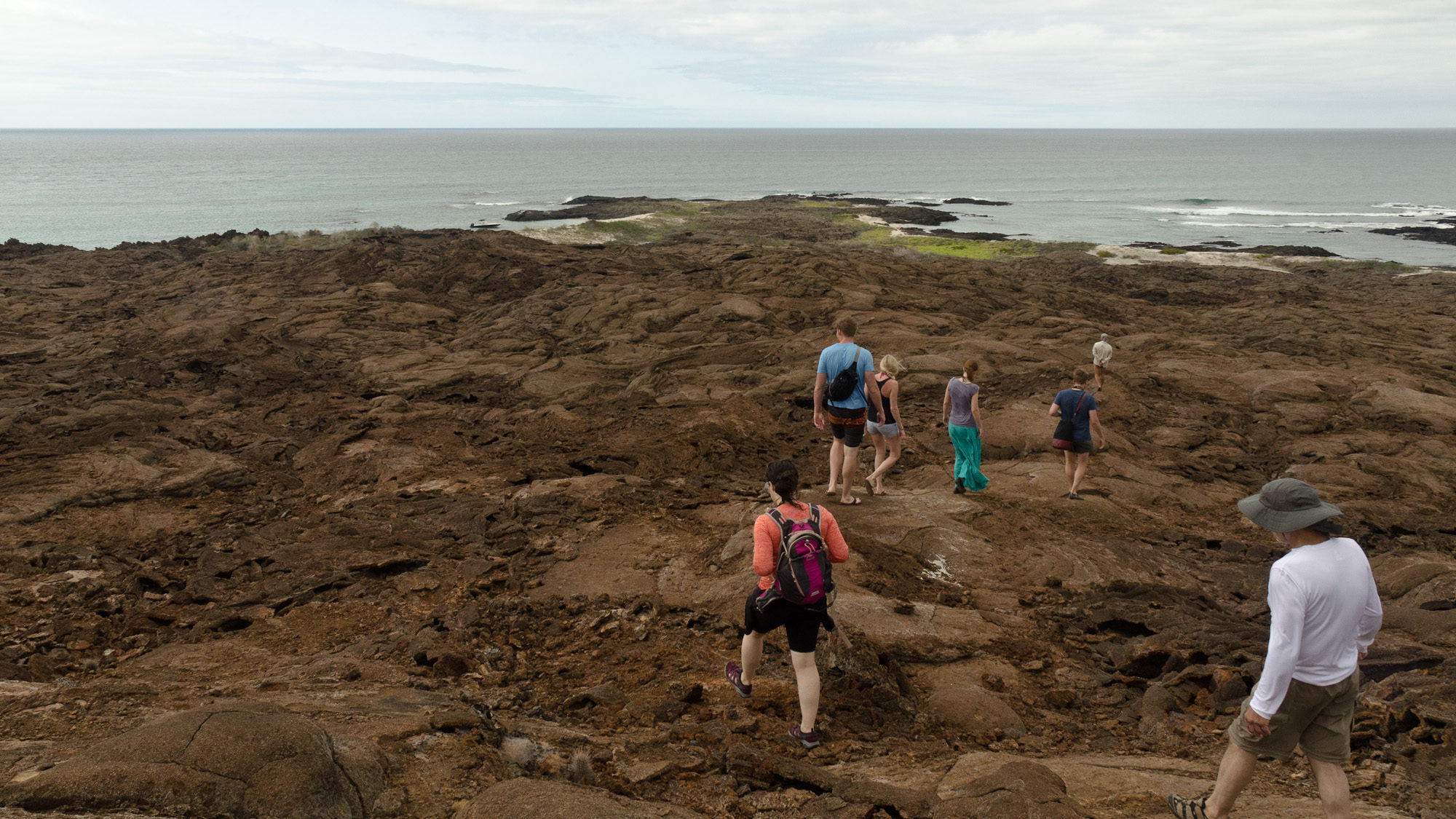
- For footwear, bring sturdy, well-broken-in shoes or hiking boots suitable for lava rock, uneven trails, and occasional mud.
- A quick-drying travel towel is also handy after snorkeling or beach visits.
We provide a general dry bag for group use, but bringing your own is helpful for keeping cameras, phones, and dry clothes protected. Roll-top dry bags or heavy-duty zip bags work well.
Understanding seasonal patterns helps with packing. The Galápagos warm season (December–May) and Galapagos cool season (June–November). Understanding what to expect throughout the year will help you choose the right gear and make the most of every moment of your adventure.
Both seasons offer exceptional wildlife, preparation simply ensures comfort.
Optional Extras
A few additional items many travelers appreciate:
- Binoculars for wildlife viewing
- Adapter plug (Ecuador uses 110V; US and Canadian plugs work)
- Books, e-readers, or music for flights and downtime
- Buff or bandana for extra sun and wind protection
Wi-Fi & Cell Phone Service
Internet service in the Galápagos has improved significantly, with many hotels and restaurants now using Starlink. In most towns, you’ll find Wi-Fi that works reasonably well, but service can still be inconsistent and is never guaranteed.
Many modern phones support eSIM services like Holafly or Saily, which can be easy alternatives to traditional roaming and help you stay connected. That said, coverage across the islands remains limited and can be inconsistent. Consider this a great opportunity to unplug, slow down, and fully immerse yourself in the natural rhythm of the Galápagos.
The Galápagos rewards attentiveness. Preparing well allows you to focus on what really matters once you arrive: wildlife encounters, meaningful connections, and unforgettable moments in the Galápagos. If you have questions before your trip, our team is always here to help.
As you get ready for your Galápagos adventure, remember that this is more than just a trip, it’s a chance to slow down, reconnect with nature, and experience one of the last truly wild places on Earth in a meaningful way.
At Galakiwi we’ll take care of the details so you can focus on the moments that matter. Come with curiosity, respect for the islands, and a sense of adventure, the Galápagos has a way of rewarding those who arrive open to discovery.