
April 10, 2026
Why Enriching Adventures During School Holidays Are So Valuable for Children
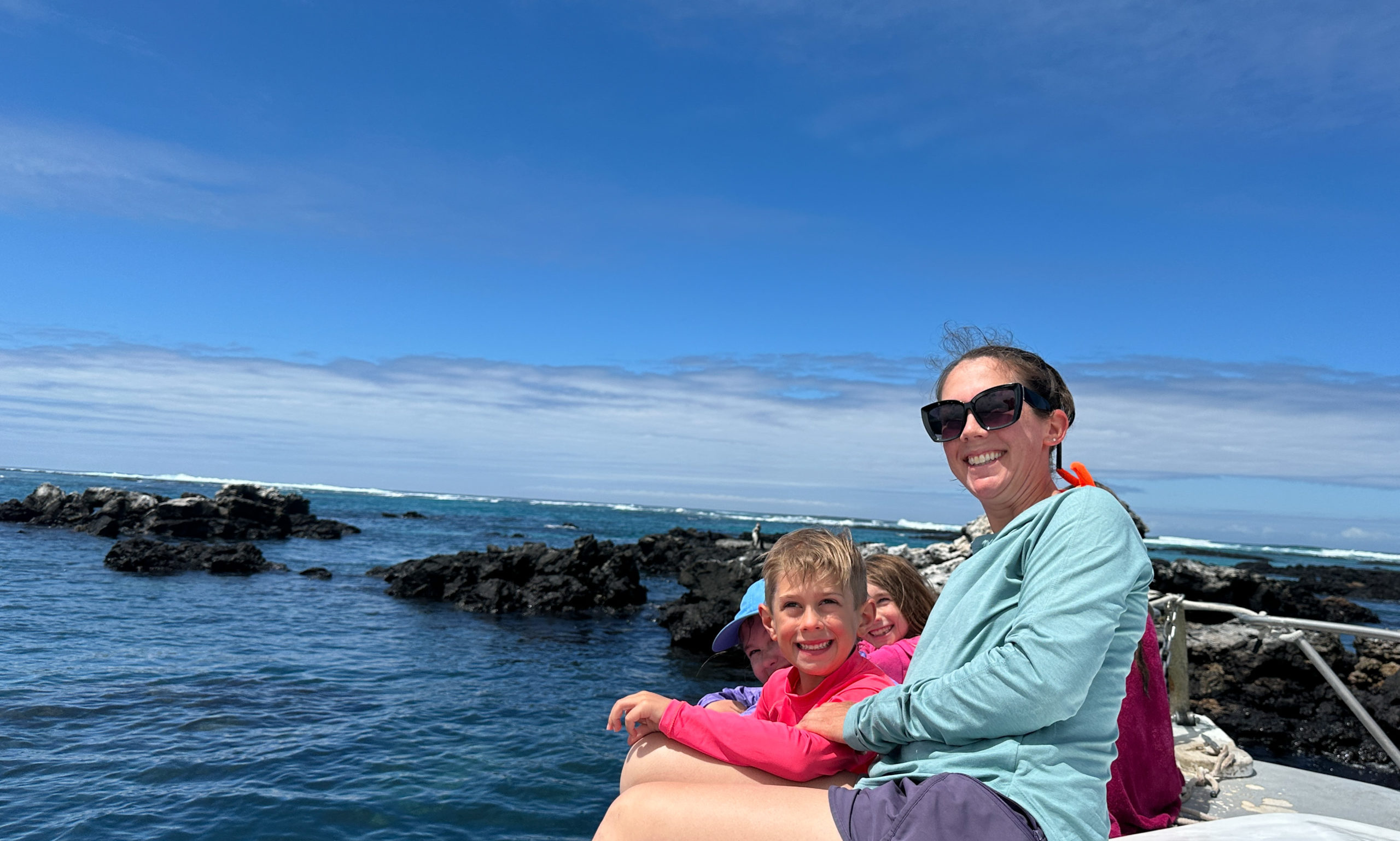
School holidays are often seen as a time for rest and fun, but they can also become powerful opportunities for learning.
When children step outside their usual classroom environment and explore new places, something important happens: learning becomes real. Concepts they read about in books suddenly come to life through direct experience.
Whether it’s watching wildlife in its natural habitat, exploring a new landscape, or interacting with people from different cultures, travel can turn curiosity into discovery, understanding, and respect. These kinds of experiences often stay with children far longer than traditional lessons.
For many families, school holidays become the perfect moment to introduce adventures that inspire learning, connection, and a deeper understanding of the world. This is why many parents today are choosing family adventure vacations that combine exploration, education, and meaningful experiences.
Experiential Learning Helps Children Understand the World
Children tend to remember what they experience far more clearly than what they simply read or hear.
This idea is at the heart of experiential learning, a form of education where knowledge is gained through direct interaction with the world around us.
When children visit natural environments, museums, or historical sites, they begin to connect abstract ideas from school with real-life examples. A lesson about ecosystems suddenly makes sense when they can observe animals interacting within their habitat. Geography becomes more meaningful when they see volcanic landscapes or coastal ecosystems firsthand.
Outdoor exploration also encourages observation, curiosity, and problem-solving. Kids start asking questions, making connections, and thinking independently about what they see.
These moments of discovery often spark a deeper interest in science, culture, and nature, which is why many of the best family adventure vacations include nature-based learning experiences.
New Environments Stimulate Curiosity and Creativity
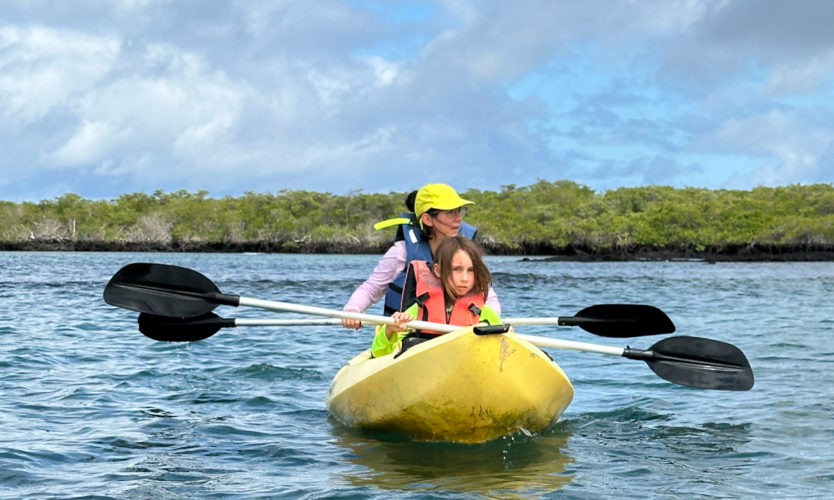
Travel exposes children to unfamiliar environments, which naturally encourages them to ask questions and explore new ideas.
Instead of following a routine, they encounter different landscapes, languages, foods, and traditions. Each new experience invites curiosity.
Why do certain animals live here?
How do people adapt to island life?
What makes this ecosystem different from others?
These questions stimulate imagination and critical thinking. When children are encouraged to observe carefully and reflect on what they see, they develop skills that support long-term intellectual growth.
Adventure-based travel also encourages creativity. New environments inspire children to think differently, solve problems, and approach learning with an open mind, one of the reasons family adventure tours can be so enriching for young travelers.
Travel Strengthens Emotional and Social Skills
Beyond academic learning, travel also supports emotional development.
Exploring new places often requires cooperation, patience, and adaptability. Children may need to work together during activities, follow instructions from guides, or navigate unfamiliar situations.
Through these experiences, they begin to develop important life skills such as communication, teamwork, and resilience.
Travel also introduces children to different cultures and ways of life. Meeting people from other communities encourages empathy and respect for diverse perspectives.
These moments help young travelers understand that the world is much bigger, and more interconnected, than they may have realized.
Reconnecting Children With Nature
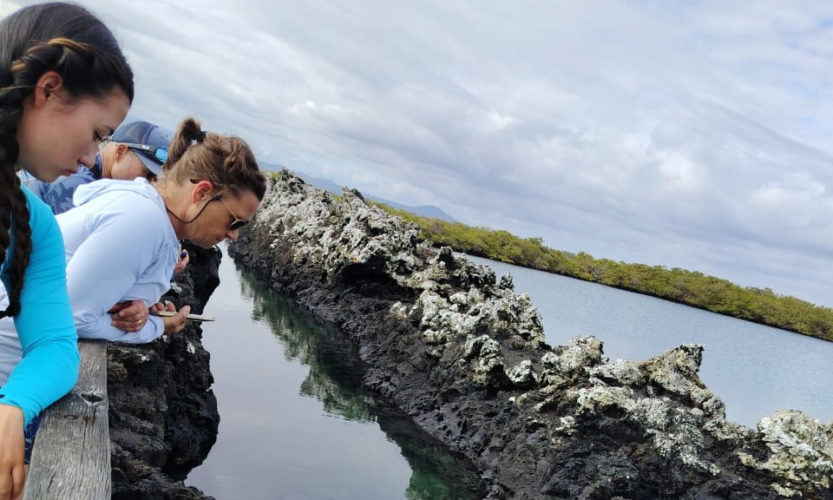
In many parts of the world, children spend increasing amounts of time indoors and in front of screens. Outdoor adventures provide an important opportunity to reconnect with the natural world.
Walking along a beach, snorkeling in clear water, or observing animals in their natural habitat often sparks a sense of wonder that can’t be replicated in a classroom.
These experiences help children develop a deeper appreciation for nature. They begin to understand that ecosystems are delicate and that human actions can influence the health of the environment.
Spending time outdoors also supports physical wellbeing and mental health, allowing children to stay active while engaging with the world around them. This connection to nature is one of the reasons family adventure vacations often leave such a lasting impact.
Is a Destination Like the Galápagos a Good Option for Families?
Some destinations offer particularly powerful learning opportunities, and the Galápagos Islands are one of them.
Often described as a natural laboratory, the islands provide a rare chance for children to observe wildlife and ecosystems in ways that few places on Earth can offer.
A Place of Unique Biodiversity
The Galápagos Islands are home to species found nowhere else in the world.
Children can observe giant tortoises roaming the highlands, marine iguanas basking on volcanic rocks, blue-footed boobies nesting along the coast, and playful sea lions swimming along the shoreline.
Seeing these animals in free their natural environment helps children understand biodiversity and ecosystems in a very tangible way.
The islands are also closely connected to the Theory of Evolution, developed by Charles Darwin after observing species differences during his visit in 1835. For many young minds, seeing these evolution firsthand creates a powerful connection between science lessons and real-world discovery.
A Living Example of Conservation
From seeing species that exist nowhere else on Earth to witnessing conservation projects that help restore wildlife populations, the Galápagos is also one of the most carefully protected environments in the world.
Children quickly learn not only about conservation rules but also the reasons behind them, how humans and nature can coexist responsibly.
Instead of feeling restrictive, these guidelines become lessons. Young travelers begin to understand why conservation matters and how responsible behavior can help preserve natural habitats.
Seeing these systems in action often helps children grasp the importance of protecting the planet.
Creating a Lasting Emotional Connection to Nature
Perhaps the most powerful aspect of visiting a place like the Galápagos is the emotional impact it can have.
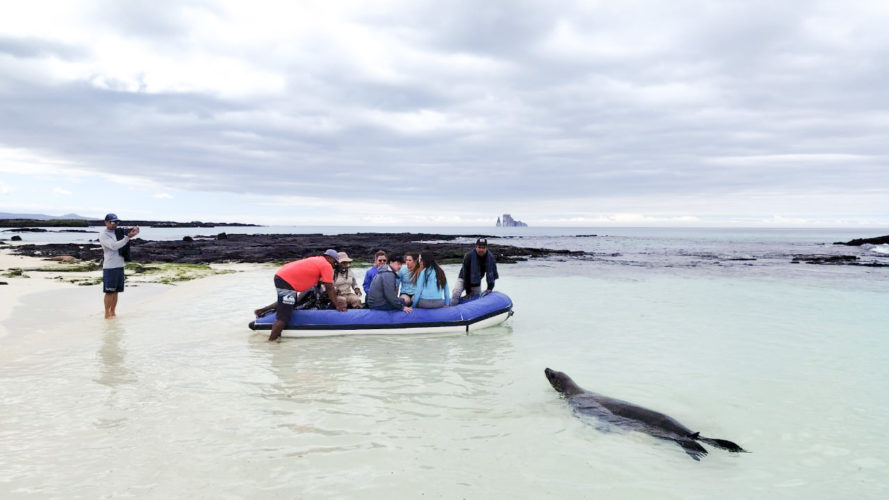
Watching a sea lion swim past during a snorkeling session, observing giant tortoises moving slowly through the highlands, or standing quietly while birds nest nearby, these encounters often leave a lasting impression. Wildlife in the Galápagos has evolved with little fear of humans, allowing visitors to experience animals in ways that feel uniquely close and respectful.
These moments often inspire a lifelong appreciation for wildlife and environmental protection.
When children feel connected to nature, they are far more likely to care about its future.
Why Eco-Sustainable, Community-Based Travel Makes the Experience Even More Meaningful
The way families travel also shapes what children learn from the experience.
Eco-sustainable tours that involve local communities can transform a trip into something much more meaningful.
Learning That Travel Can Be Responsible
Responsible travel teaches children that tourism can support conservation rather than harm it.
Small-group tours, careful wildlife observation rules, and low-impact activities show that exploration can happen in ways that respect fragile ecosystems.
When children see guides explaining how to protect wildlife or follow conservation guidelines, they begin to understand that nature deserves care and respect.
Supporting Local Communities
Community-based tourism also shows young travelers how travel can benefit the people who live in a destination.
Local guides sharing knowledge about wildlife and island life, family-run hotels welcoming travelers, and small restaurants serving local dishes demonstrate how tourism can create opportunities for local families.
These experiences help children see that travel can support communities rather than simply consume resources, broadening their global understanding.
Authentic Cultural Experiences
When families travel in ways that connect them with local communities, children gain a deeper understanding of the places they visit.
Instead of only seeing tourist attractions, they learn about daily life, traditions, and the relationship between residents and their environment.
These authentic interactions often become some of the most memorable moments of the trip.
Learning Values Through Example
Perhaps most importantly, responsible travel models important values.
When children see adults choosing travel options that prioritize sustainability, respect for nature, and support for local communities, they begin to understand what responsible global citizenship looks like.
These lessons often stay with them long after the trip ends.
Adventures That Inspire Curiosity for Life
School holiday adventures, especially in places rich in nature like the Galápagos, can become far more than a simple vacation.
They encourage curiosity, deepen environmental awareness, and help children understand the importance of caring for the natural world.
This is why thoughtfully designed family adventure tours often become some of the best family adventure vacations families ever take.
Children don’t just learn about the world. They begin to understand how to protect it.
If you’re thinking about planning family adventure vacations in the Galápagos that combine exploration, sustainability, and local expertise, we’d love to help. Reach out to start planning your trip, or explore our tours to find inspiration for your family’s next adventure.
| |