
April 19, 2026
Discover the Galápagos Nature’s Classroom for Future Environmental Leaders
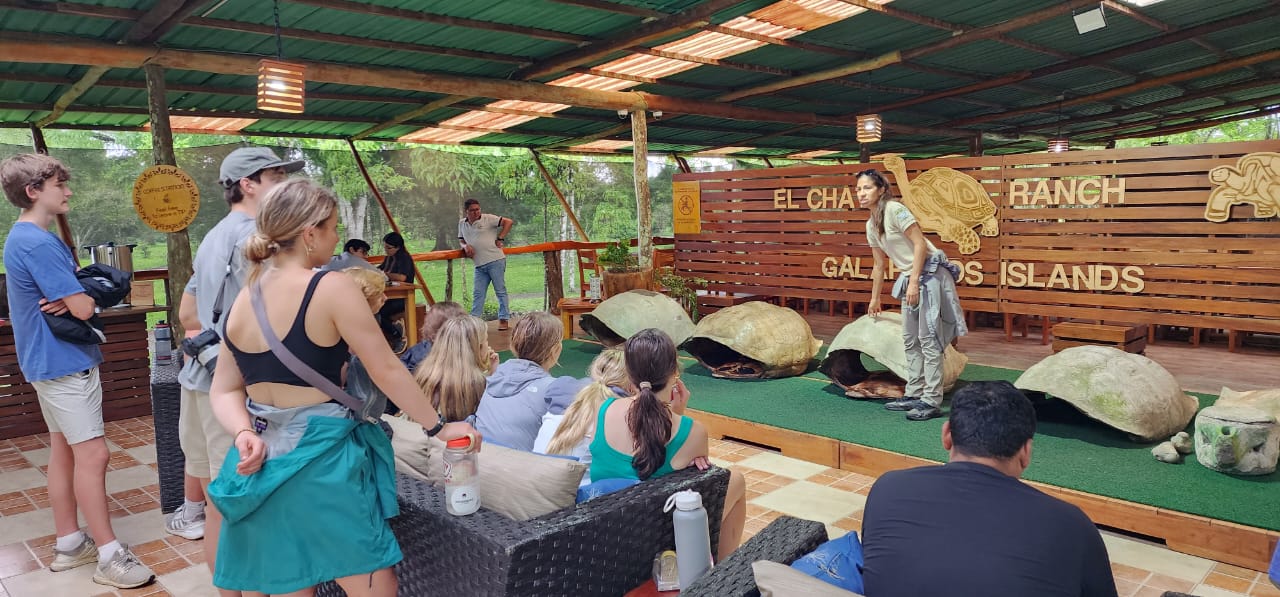
Experiences often teach young minds more than a traditional classroom setting. Experiential learning, often described as “learning by doing”, is widely considered more effective than passive, classroom-based methods. It’s an approach many teachers and parents embrace to help children develop a more well-rounded understanding of the world. And often, one of the most powerful ways to do this is through educational trips.
Standing on a volcanic shoreline, with sea lions resting nearby and marine iguanas moving slowly across the rocks, many travelers notice something unexpected: learning in the Galápagos doesn’t feel like a lesson, it feels like discovery.
This is what makes the islands such a powerful setting for students, families, and curious travelers alike. The Galápagos is not just a destination; it’s a living classroom where nature, science, and daily life come together in a deeply real and tangible way.
Why the Galápagos Is Unlike Any Classroom
As many teachers will tell you, the Galápagos is a unique place, one where science, culture, and biology come together in a way that’s difficult to replicate anywhere else.
The Galápagos Islands are home to some of the most distinctive ecosystems on the planet. Many of the species found here exist nowhere else, having evolved over thousands of years in isolation. This is the same environment that helped shape Charles Darwin’s early thinking on evolution, and it continues to offer valuable insight into how life adapts and changes over time.
For students, this creates a direct connection to subjects like biology, ecology, conservation, and climate awareness. Instead of simply reading about adaptation or biodiversity, travelers can observe it in real time, seeing how each species plays a role within a delicate, interconnected system.
It’s one of the reasons many educators consider the Galápagos an ideal destination for educational travel programs and student trips focused on environmental learning.
Learning Through Experience, Not Observation
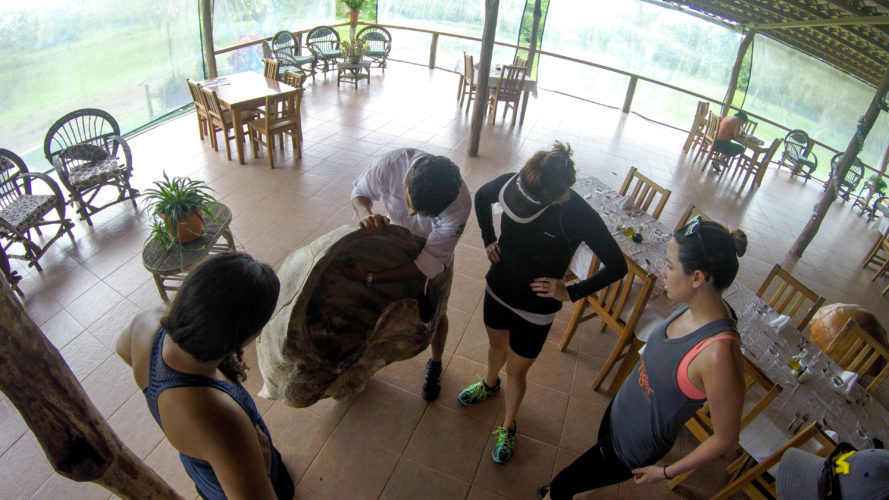
One of the things that surprises visitors is how active the learning process becomes. In the Galápagos, learning isn’t limited to observation, it’s something you participate in.
On Galakiwi Tours you will be guided by certified naturalist guides and local experts, travelers begin to notice details that might otherwise go unseen: patterns in animal behavior, subtle differences between species, or the way ecosystems shift from one island to another.
Out in the field, learning happens quietly, in the way species move and respond to their surroundings, in the small details that are easy to miss in a textbook but clear in real life.
The Role of Local Knowledge
Beyond the scientific importance of the islands, there is another layer of learning that often leaves a lasting impression: the perspective of the people who live here.
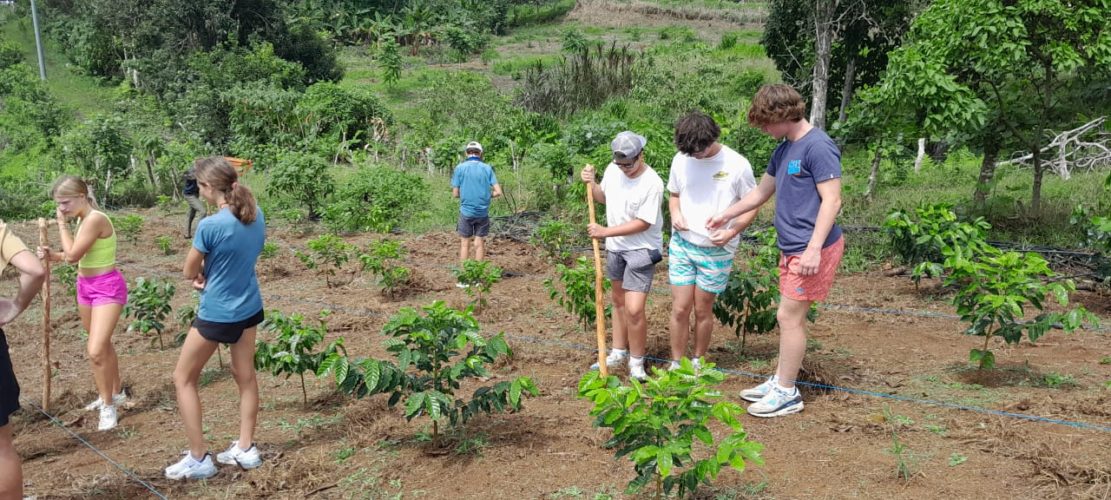
Land-based travel creates opportunities to connect with local guides, small business owners, and island communities. These interactions add context to what visitors are seeing, bringing in stories, traditions, and the realities of daily life alongside the scientific understanding of the islands.
Because our guides are local, they share not only ecological knowledge but also personal experience: what it means to live in a protected environment, how conservation shapes everyday life, how food is grown and managed on the islands, and how communities adapt to balance tourism with sustainability.
This kind of learning builds connection, not just information. It offers a deeper perspective on how communities function, especially in a place where people and nature are closely intertwined.
Wildlife Encounters: Learning Respect First
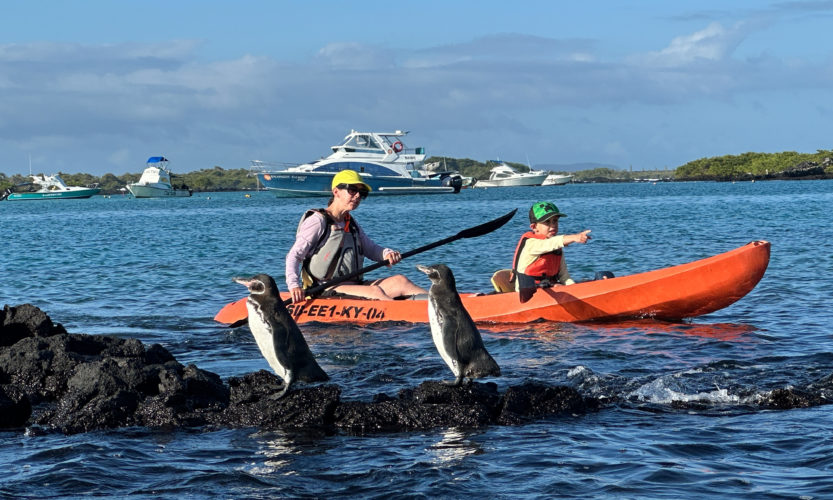
Wildlife is one of the main reasons people travel to the Galápagos, but how these encounters happen is just as important as the animals themselves.
The islands are a protected national park, and both residents and visitors share a strong understanding of the need to respect all species. Strict guidelines are in place to ensure wildlife remains undisturbed. Animals are not handled, fed, or approached too closely, instead, they are observed as they go about their natural behaviors.
This approach creates encounters that feel genuine and meaningful. Whether watching movement along the shoreline or noticing how species interact with their environment, each moment offers insight into how life functions here.
Through these experiences, visitors begin to understand a fundamental idea: conservation starts with respect.
Sustainability as a Daily Practice
In the Galápagos, sustainability is not just a concept, it’s part of everyday life. From how food is grown and managed to how tourism is regulated, to invasive species management daily life here is shaped by the need to protect a unique and fragile environment.
From carefully managed visitor sites to small-group, community-based travel, each aspect of a journey is designed to reduce impact and preserve the islands. Along the way, travelers become more aware of their own role in this process, whether by following park guidelines, supporting local businesses, or simply being more mindful of their surroundings.
For younger travelers especially, this offers something powerful: a real-world example of how conservation works in practice. It shows how consistent, collective efforts can protect ecosystems, and how communities can come together to build systems that support both people and nature.
These lessons often stay with visitors, shaping how they think about travel and conservation long after they return home.
A Different Kind of Educational Trip
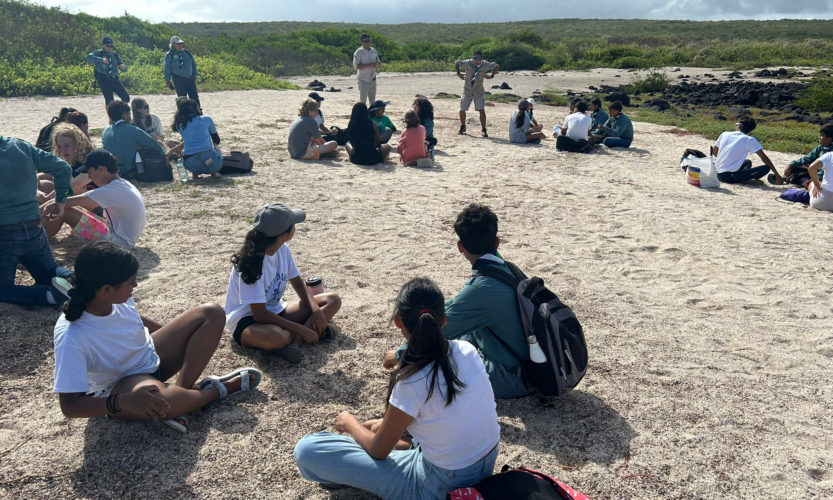
Educational travel in the Galápagos is less about checking off locations and more about intentional, thoughtful exploration.
Land-based travel supports this naturally by offering a balance of flexibility, comfort, and structure. Staying on the islands allows each day to adapt to the group’s pace and learning goals, while small groups create space for deeper engagement and reflection.
For student groups, this approach also brings a strong sense of support and safety. With consistent accommodations and on-the-ground coordination from local teams and expert naturalist guides, every detail is carefully managed, allowing educators to focus on the learning experience.
This is what makes Galakiwi educational tours so impactful, combining guided learning, real-world connection, and low-impact travel in a way that feels both meaningful and well-supported.
Who Can Enjoy a Galápagos Land-Based Experience
This style of travel is designed for a wide range of travelers, offering a balance of guided exploration and the freedom to experience the Galapagos Islands beyond scheduled activities. For young explorers, the experience doesn’t end when excursions do, still time to wander through town, visit local restaurants and shops, or enjoy a quiet beach at sunset.
Our Galapagos educational tours are thoughtfully adapted for:
- Schools and universities, with itineraries aligned to academic objectives and curriculum goals
- Teachers and educators, looking to enrich their curriculum through real-world, field-based learning experiences
- Parents and school groups, seeking opportunities for students to deepen classroom learning through direct exposure to nature and science
Because each program is tailored to a single group, students and participants share a more cohesive experience, learning together, asking questions freely, and building a deeper connection to the islands as a group.
As a locally rooted company, Galakiwi designs land-based experiences that connect travelers with both the natural environment and island communities. Our itineraries emphasize thoughtful activity design, small group travel, and strong relationships with local guides, family-run hotels, and community partners.
This approach allows travelers to experience the Galápagos in a way that feels immersive, meaningful, and responsible, while directly supporting the people who call these islands home.
What Travelers Take Home
What stays with most travelers is not just what they saw, but how they experienced it. Time in the Galápagos often sparks curiosity, responsibility, and a deeper awareness of the natural world. For students, it can shape future perspectives, while for families it becomes a shared experience that continues beyond the trip.If you’re curious about experiencing the Galápagos this way, you can explore our educational and land-based tours, or simply reach out to start planning your journey.