
July 5, 2026
A Month-by-Month Guide to Wildlife in the Galápagos
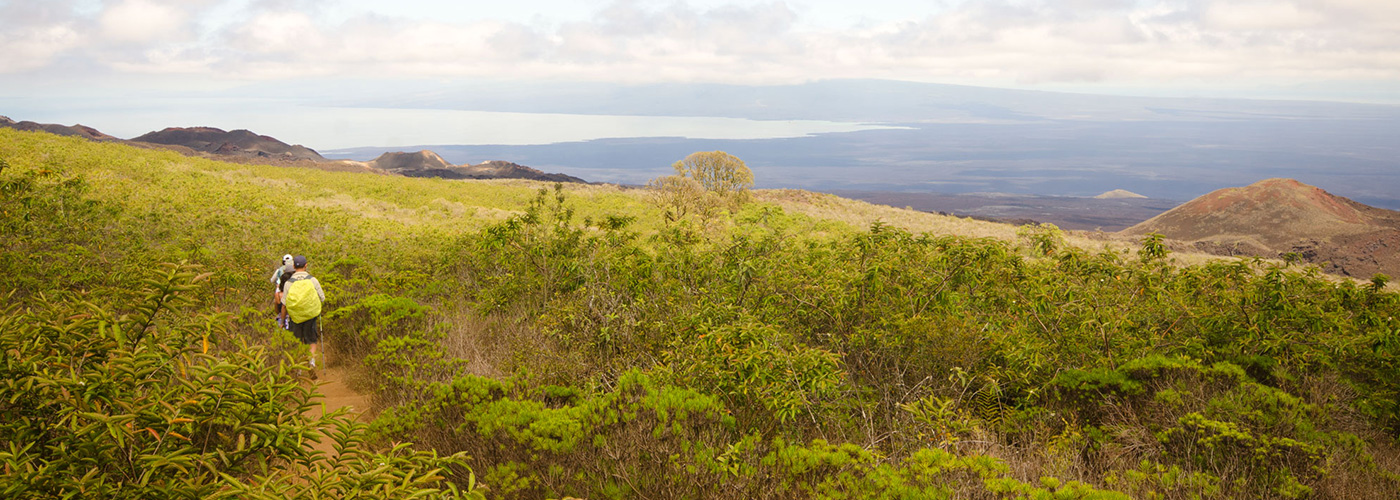
When planning a Galápagos trip, many travelers ask the same question: What is the best month to visit the Galápagos?
The truth is that there isn’t a single “best” month. The Galápagos is a living, protected ecosystem where wildlife follows natural cycles. Different species breed, nest, migrate, and raise their young at different times of the year, so understanding these cycles can help you decide what experiences interest you most.
One thing we can confidently say is that every month offers something special.
It’s also important to remember that nature is unpredictable. Wildlife encounters happen naturally and can never be guaranteed. Occasionally, larger climate patterns such as El Niño can influence ocean conditions and animal behavior. These events are not annual occurrences, but they can affect what travelers observe during certain years.
This guide provides a general overview of what is typically happening throughout the year. For a deeper look at weather patterns and ocean conditions, check out our Galápagos Weather Guide. Our biggest recommendation, however, is simple: enjoy your surroundings and let nature surprise you.
January: Green Landscapes and Sea Turtle Nesting
January marks the beginning of the warm season. Short tropical rains help transform the usually dry volcanic landscapes into surprisingly green environments, especially in the highlands.
One of the most exciting wildlife events during this month is the start of the green sea turtle nesting season. Female turtles come ashore at night on certain beaches of Isabela and Santa Cruz, digging nests in sandy beaches where they deposit their eggs before returning to the ocean.
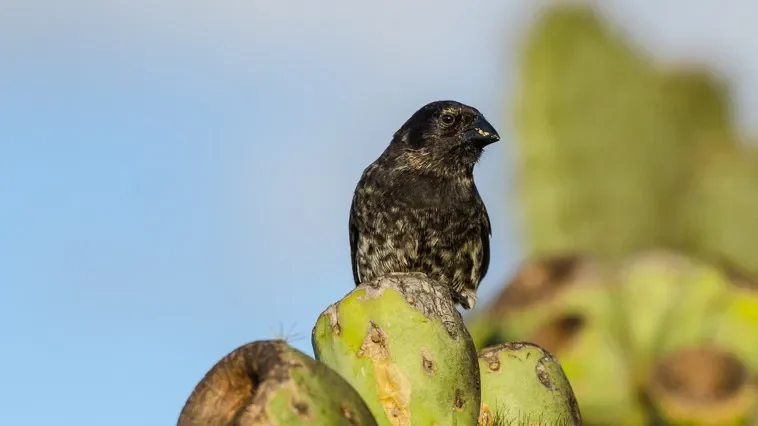
Meanwhile, many of the islands’ famous Darwin’s finches become increasingly active. Males can often be seen displaying and singing as they compete for mates, providing visitors with a glimpse into the birds that helped inspire Charles Darwin’s ideas about evolution.
January is also an excellent month for snorkeling thanks to warmer waters and generally calm conditions.
February: Marine Iguanas and Warm Waters
February brings some of the warmest ocean temperatures of the year, creating comfortable conditions for swimming and snorkeling.
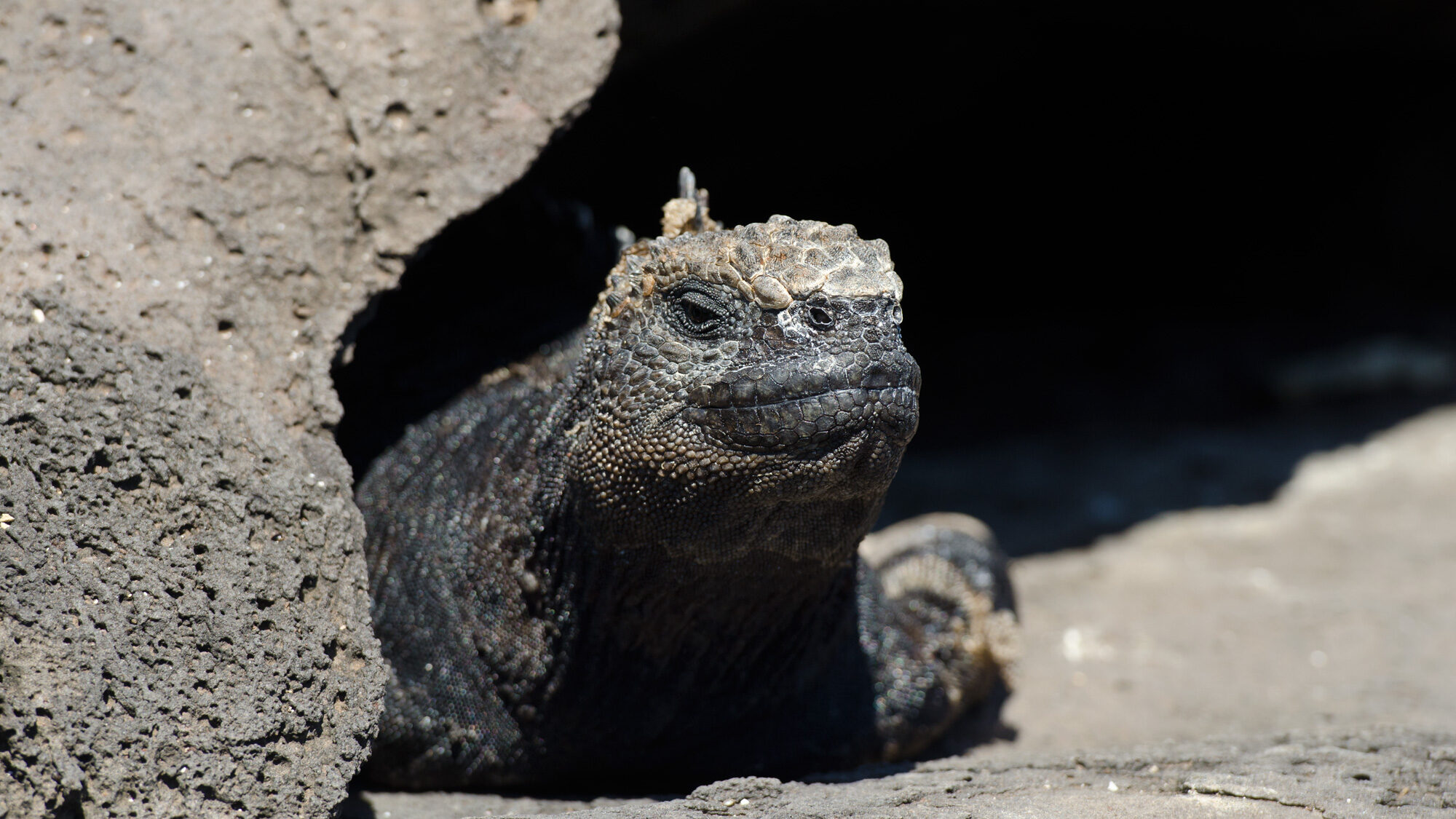
On Santa Cruz Island, marine iguanas begin their reproductive season. Males often become more territorial and display behavioral changes as they compete for breeding opportunities.
Isabela Island also provides some of the best opportunities to spot Galápagos penguins, one of the rarest penguin species in the world and the only penguin species naturally found north of the equator.
With excellent visibility and warm water, February is often considered one of the most enjoyable months for marine exploration.
March: Sea Lion Pups and Courtship Displays
March is typically the warmest month of the year. Although it is one of the wetter months, rainfall is usually brief and often followed by sunshine.
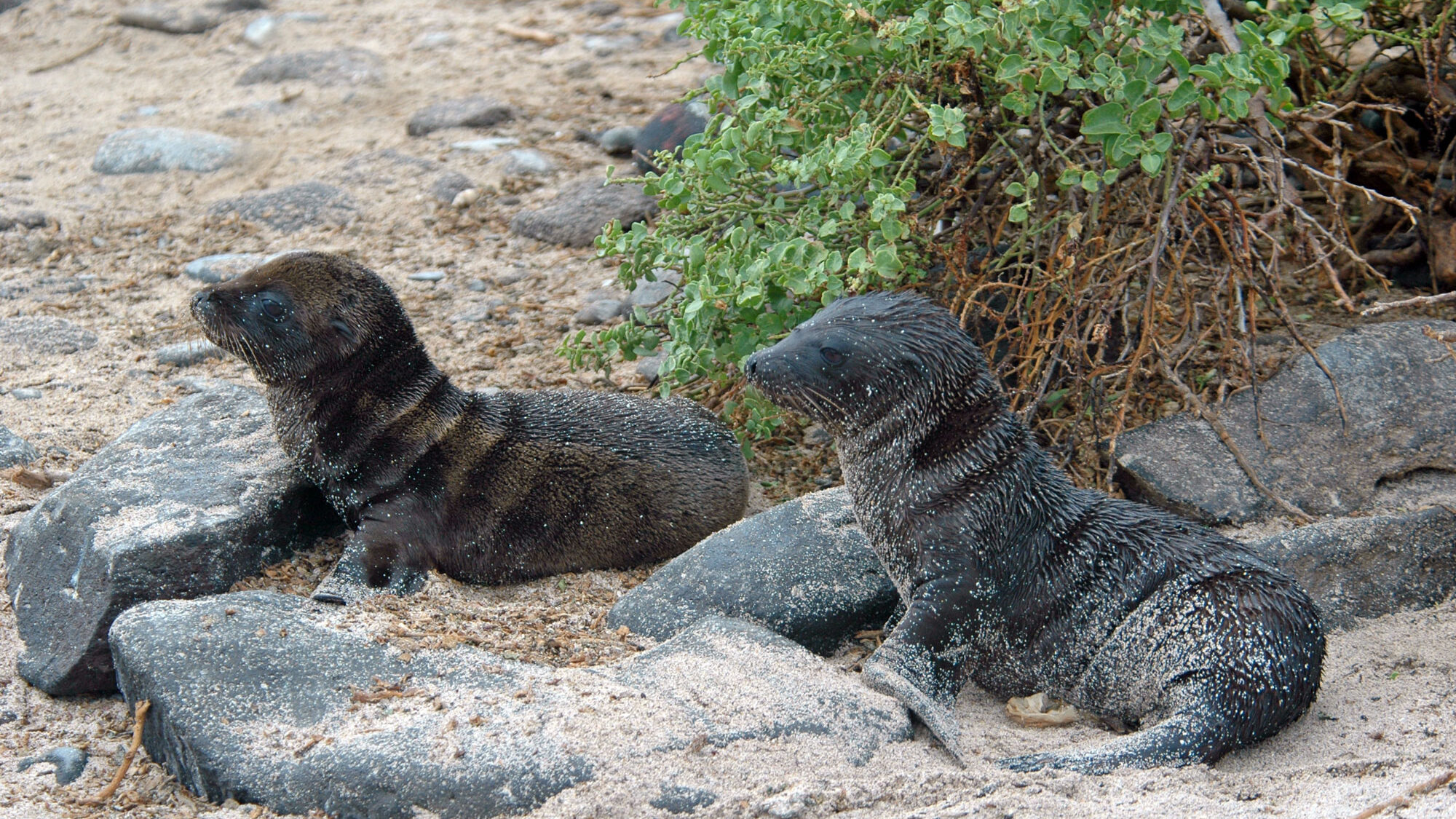
Many beaches are filled with playful sea lion pups, which spend their days nursing, resting, and learning to navigate their surroundings. Watching young sea lions interact with one another is often a highlight for travelers.
At the same time, blue-footed boobies begin their famous courtship rituals. Males perform their well-known high-stepping dance, proudly showing off their bright blue feet to attract potential mates.
Green sea turtle nesting activity also continues throughout the islands.
April: Hatching Season Begins
As rainfall begins to decrease, April remains one of the greenest and most colorful months in the Galápagos.
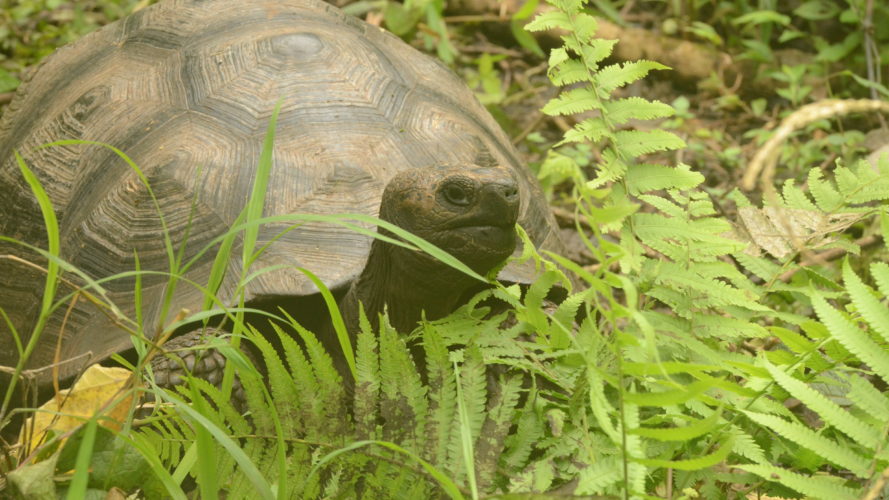
Many green sea turtle nests begin to hatch during this period. Tiny hatchlings emerge from the sand and make their way toward the ocean, beginning one of nature’s most remarkable journeys. While this phenomenon does occur in the Galápagos, it typically takes place on protected nesting beaches and is not something that can be reliably observed on every visit. Guests may be fortunate enough to witness it, but sightings are never guaranteed.
Bird activity remains high across the islands, with nesting seabirds occupying cliffs and rocky shorelines.
April also marks the end of the main giant tortoise hatching season, as young tortoises continue emerging from nests laid months earlier in the highlands.
May: A Time of Transition
May sits between the warm and cool seasons, offering pleasant temperatures and often clear skies.
This is still an active period for sea turtle hatchlings, while young marine iguanas can sometimes be spotted along rocky shorelines learning to navigate their environment.
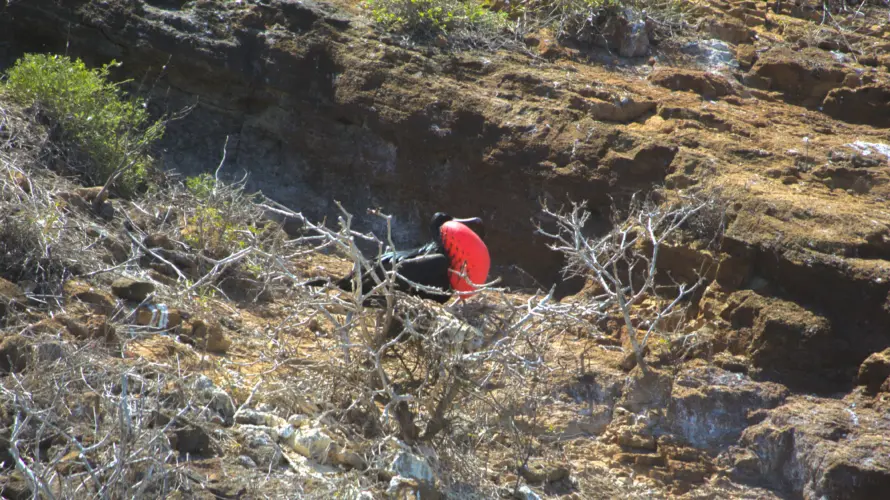
Frigatebirds are particularly active. Males inflate their bright red throat pouches like balloons during courtship displays, one of the most striking wildlife spectacles in the Galápagos.
For travelers who enjoy both hiking and wildlife viewing, May offers a wonderful balance.
June: The Ocean Comes Alive
June marks the arrival of the cool season as nutrient-rich currents begin flowing through the archipelago.
These currents fuel an explosion of marine productivity, attracting everything from schools of fish to larger predators.
Sea lions become particularly active during this time, and snorkeling encounters often feel more dynamic as marine life concentrates around feeding areas.
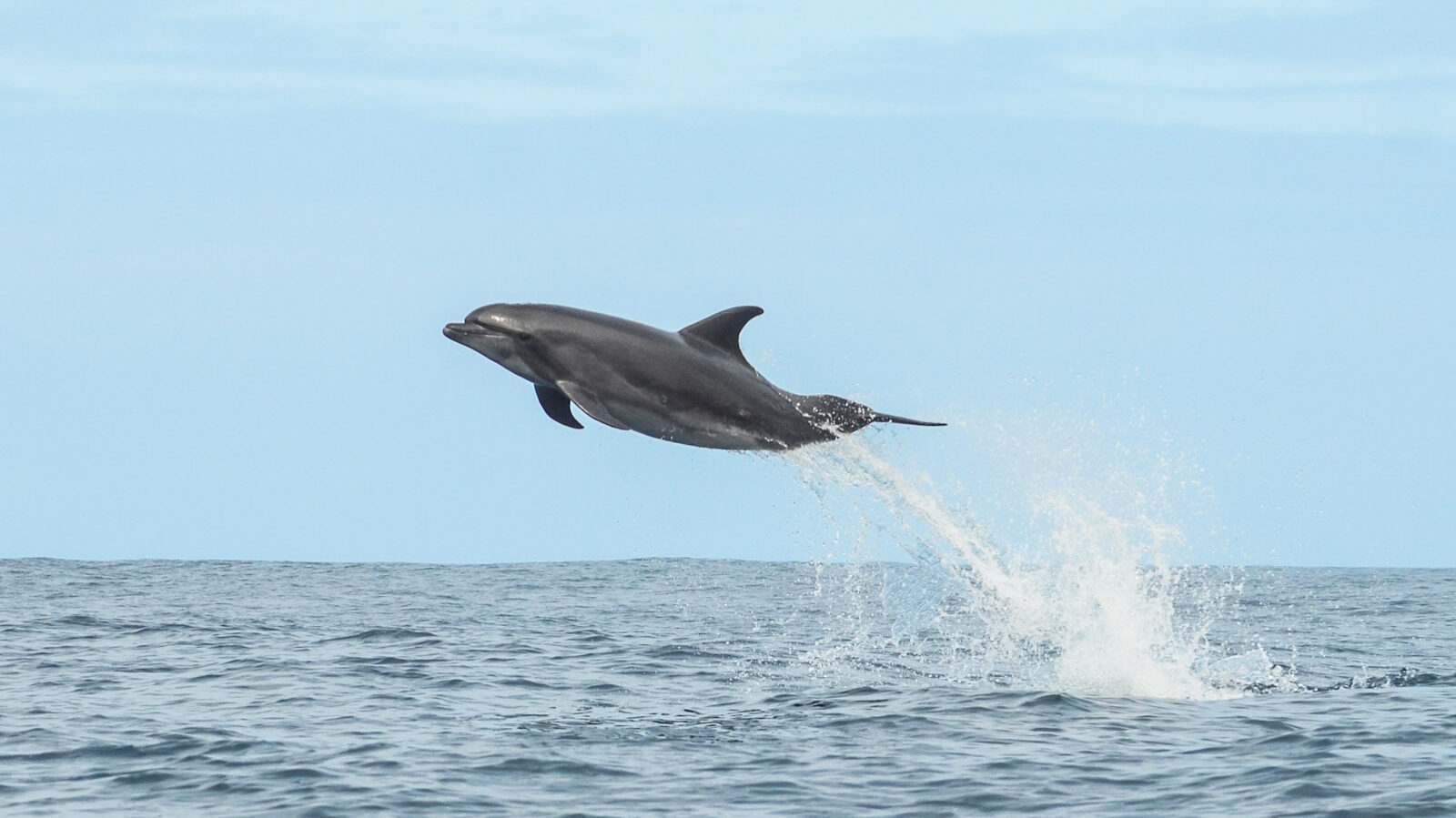
June also brings the possibility of spotting larger migratory species such as whales, dolphins, and even orcas, particularly around the western islands.
July: Penguins, Dolphins, and Seabirds
July is one of the most exciting months for wildlife enthusiasts.
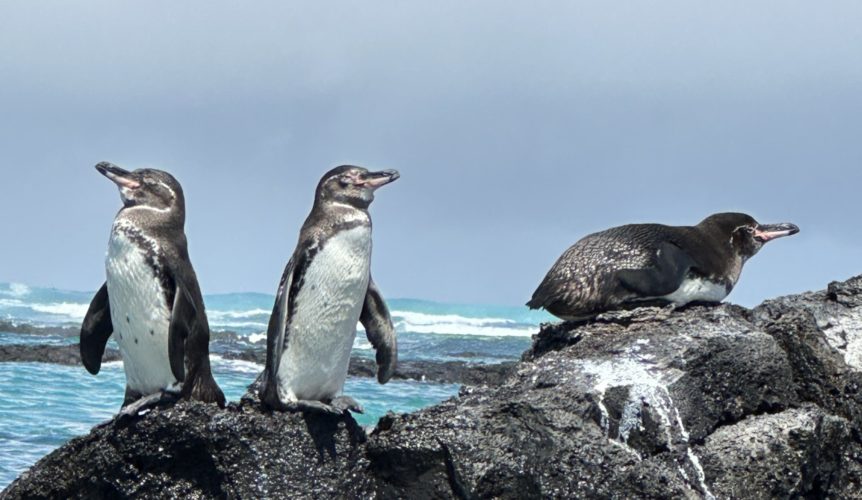
The nutrient-rich waters support large numbers of marine animals, and Galápagos penguins become especially active along the western coasts of Isabela and Fernandina.
Flightless cormorants, found nowhere else in the world, enter their breeding season. Visitors can often observe these unique birds building nests and caring for chicks.
Whale and dolphin sightings become increasingly common as migratory species take advantage of the abundant food resources.
August: Breeding Season Peaks
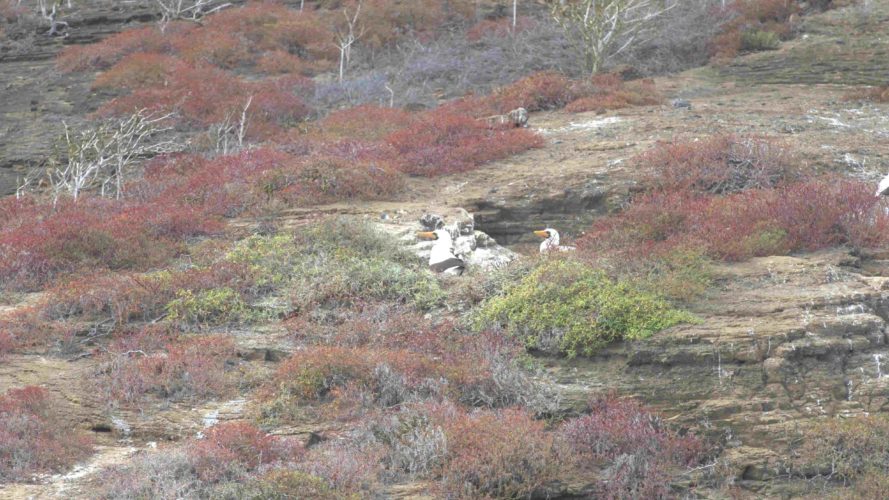
August is often the coolest month in the Galápagos, but it is also one of the richest in wildlife activity.
Sea lion breeding season begins, leading to dramatic social interactions as dominant males establish territories and compete for access to harems.
Meanwhile, Nazca boobies and swallow-tailed gulls are actively nesting.
Female giant tortoises begin returning to the highlands after spending time in lower elevations, continuing one of the most important annual migrations on the islands.
September: Wildlife Drama Everywhere
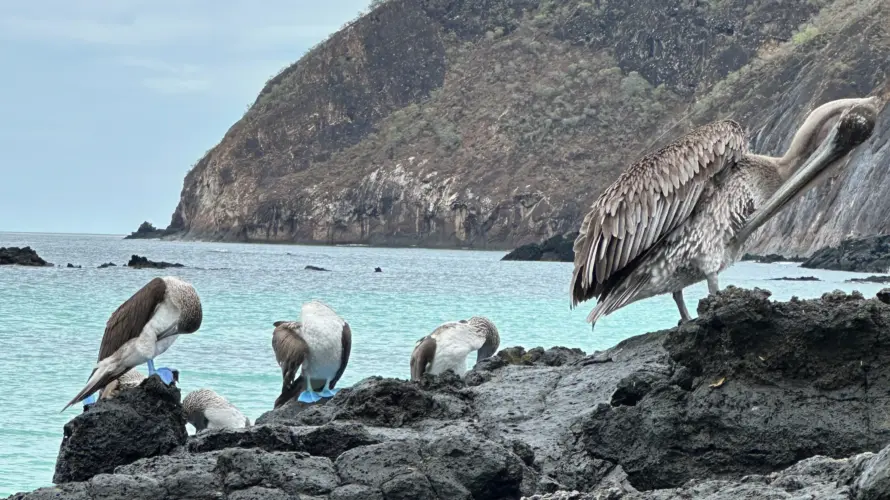
September continues the intense wildlife activity of the cool season.
Sea lion colonies are at their busiest, with newborn pups, territorial males, and active social groups creating constant movement along beaches.
Many seabird species remain in active nesting phases, providing excellent opportunities to observe courtship, nesting, and chick-rearing behaviors.
For travelers interested in animal behavior, September can be one of the most rewarding months of the year.
October: Sea Lion Pups and Quiet Exploration
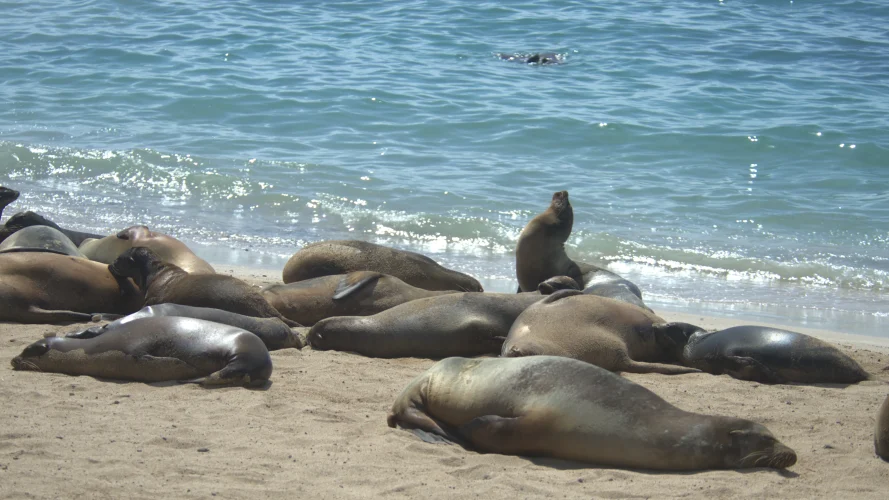
October is often overlooked, but it offers excellent wildlife experiences.
Many beaches are now home to large numbers of sea lion pups, which begin exploring the shoreline and learning important survival skills.
Young blue-footed booby chicks may also be visible at nesting sites, offering opportunities to observe different stages of development.
With fewer visitors compared to some peak travel periods, October can provide a particularly peaceful wildlife-viewing experience.
November: Learning to Swim
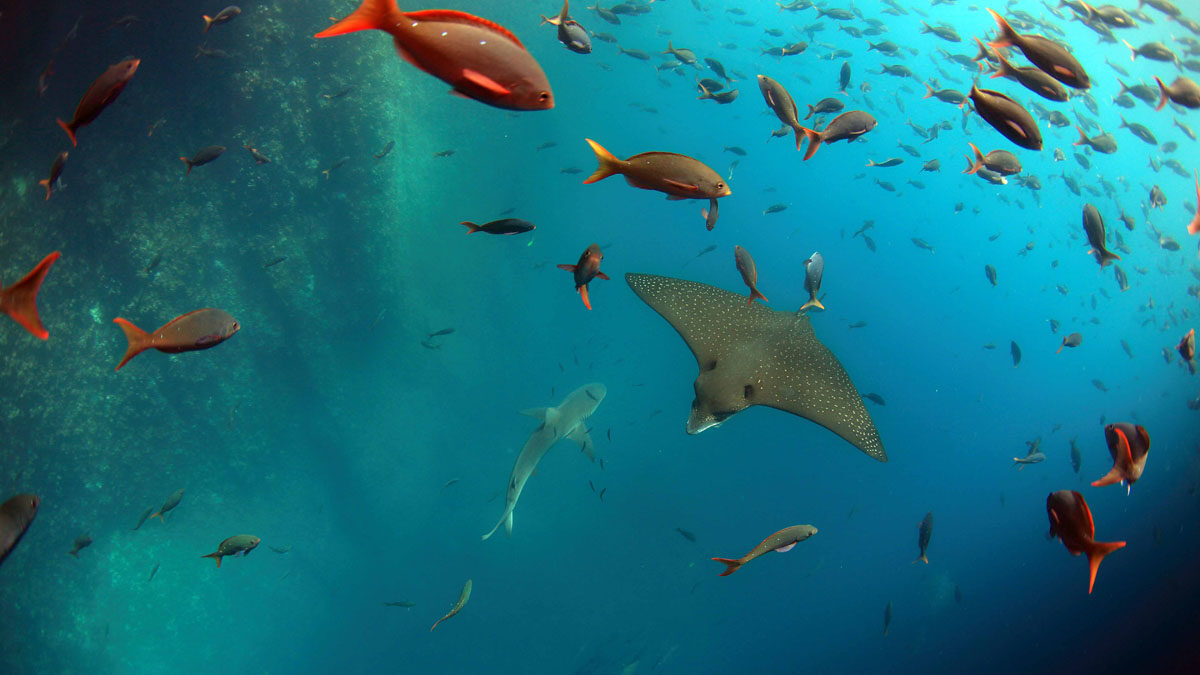
November brings the first signs of the upcoming warm season.
One of the most charming wildlife events is watching young sea lions enter the water with their mothers. These early swimming lessons are both entertaining and important for their development.
At the same time, green sea turtles begin their mating season, with increased activity occurring in coastal waters around the islands.
Ocean visibility often improves, creating excellent conditions for snorkeling and underwater photography.
December: New Beginnings
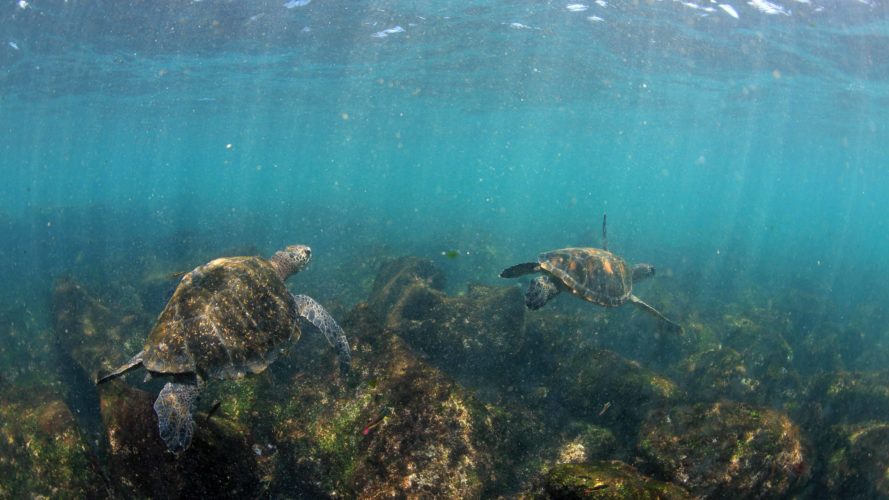
December marks the return of the warm season.
The landscape begins becoming greener once again as seasonal rains arrive, while ocean conditions become calmer.
Green sea turtles begin nesting, starting another annual cycle that will continue into the following months.
Young sea lions are especially playful during this time, and many travelers enjoy observing their curiosity both on beaches and in the water.
December offers a wonderful combination of warm temperatures, active wildlife, and beautiful scenery.
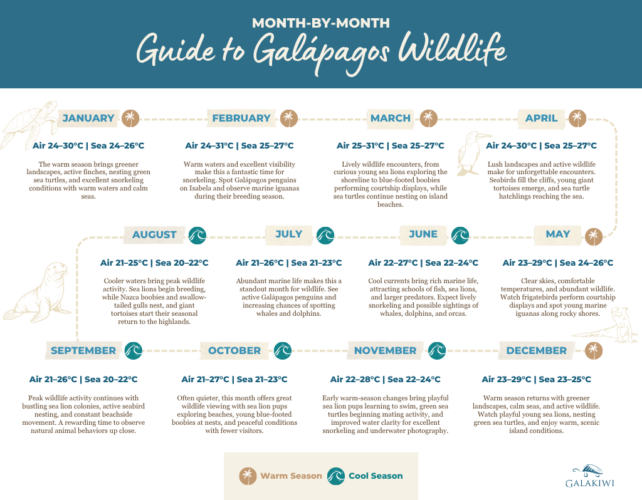
Quick Wildlife Calendar Table
Here is a month-by-month overview of some of the incredible wildlife experiences the Galápagos have to offer throughout the year.
Every Month Has a Story
The Galápagos is one of the few places in the world where wildlife activity never truly stops. Each month reveals a different chapter of the islands’ natural story, whether that’s sea turtles nesting, seabirds courting, whales migrating, or sea lion pups taking their first swim.
Rather than searching for a single “best” month, many travelers discover that the real magic lies in witnessing whatever nature is doing during their visit.
If you’re curious about experiencing the Galápagos through wildlife-focused, land-based travel, explore our tours or reach out to start planning your adventure. Our local guides are always excited to help travelers connect with the incredible natural rhythms of the islands.
| |