
May 11, 2026
Designing a Trip Around You: How We Build Accessible Itineraries
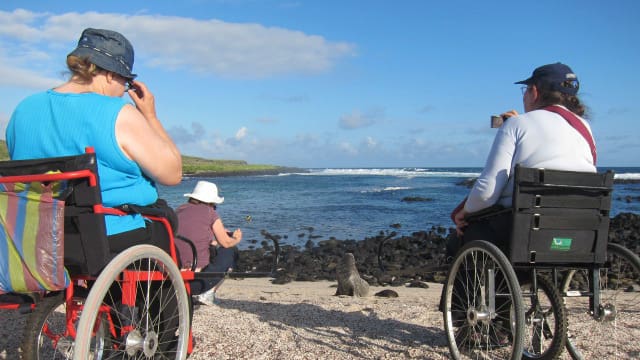
Planning a trip to the Galápagos is exciting, but for accessible travelers, it often comes with an extra layer of questions. How will the days flow? Will activities feel manageable? What kind of support is available?
At Galakiwi, we’ve been operating in the islands for over 22 years, working with travelers from all over the world, including many with different accessibility needs. Over time, we’ve learned that creating a meaningful Galápagos accessible tour starts with one key idea: no two travelers are the same.
The Galápagos are not an accessible destination by default, so we tailor every detail to ensure you can fully enjoy the islands.
Here’s a closer look at how we design each itinerary, step by step.
Why Custom Planning Matters
When it comes to accessibility in the Galápagos, there is no one-size-fits-all itinerary.
Each traveler brings different interests, comfort levels, and support needs. Some are drawn to wildlife and snorkeling, others to landscapes or slower-paced exploration. Accessibility itself can vary widely, which is why custom land-based itineraries are often the best approach.
Designing a trip around the traveler, not the other way around, allows for a more comfortable, flexible, and enjoyable experience, without the pressure of keeping up with a fixed group pace.
Listening First: Understanding Your Travel Style
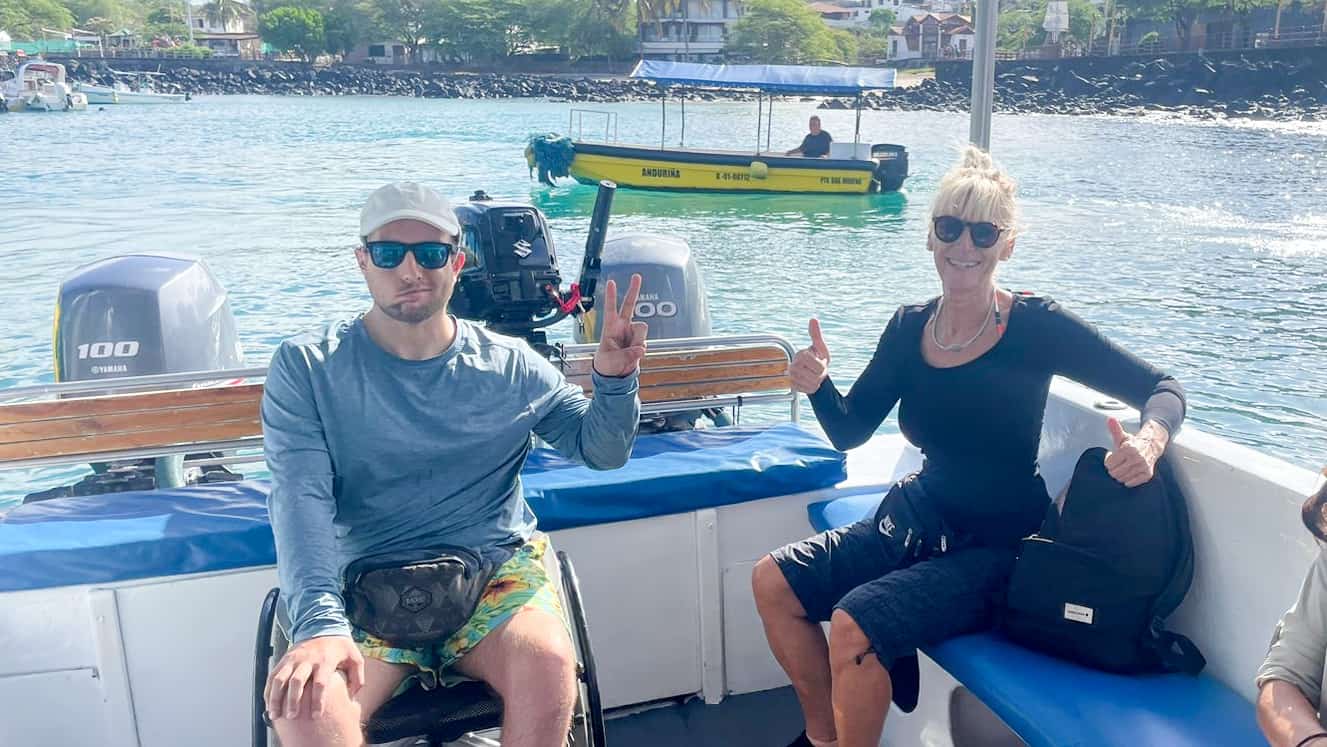
Every itinerary begins with a conversation.
Discovery calls are an important part of the process, giving us the chance to understand what you’re looking for and what will help you feel comfortable along the journey. We talk through preferences, past travel experience, activity levels, and any specific accommodations that may be needed.
Just as important, this is a space for questions. Planning becomes much easier when there is clear communication and a team that understands the details from the start.
Matching Islands to Your Experience
Once we understand your preferences, we begin shaping an itinerary that fits.
Some islands naturally lend themselves to certain types of experiences. For example, many accessible travelers enjoy islands like San Cristóbal and Isabela, where there is a balance of nature, wildlife, and town life, along with a variety of activity options.
We also consider:
- Accommodation location and ease of access
- Activity types and how they can be adapted
- Proximity to restaurants, waterfront areas, and key sites
The goal is to create a journey that feels connected and manageable, while still offering variety and discovery.
Balancing Activity and Rest
A well-designed itinerary is not just about what you do, but how the day feels.
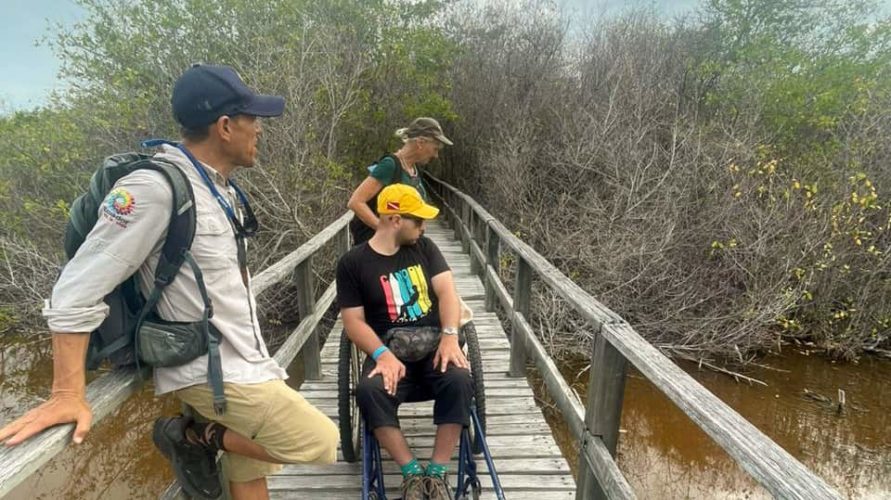
We carefully balance activities with time to rest, ensuring that each day flows at a comfortable pace. Higher-energy experiences, like hiking or snorkeling, are often paired with lighter moments, such as a relaxed afternoon or time to explore at your own pace.
Activities can also be adapted in real time. For example, during a visit to volcanic sites, some travelers may choose to explore more actively, while others may prefer to take in the views from a comfortable vantage point. Having both a guide and an assistant allows for this kind of flexibility within the same experience.
Planning for the Unexpected
Part of thoughtful planning is being prepared.
We carry out safety assessments and build contingency plans into every itinerary. Just as importantly, communication doesn’t stop after the initial planning stages. Our team remains available before and during the trip to answer questions, adjust plans if needed, and provide reassurance along the way.
This ongoing support helps travelers feel confident, knowing they are not navigating the experience alone.
Coordinating the Details That Matter
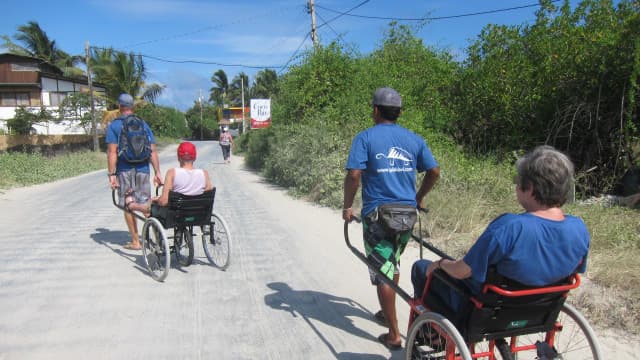
Behind every itinerary is a network of trusted local partners. We work with certified naturalist guides and experienced assistants who understand how to support accessible travel. Accommodations, restaurants, and activity providers are carefully selected based on quality, reliability, and familiarity with the islands.
For inter-island travel, we coordinate options that best suit each itinerary, whether that’s boat transfers with experienced local crews or inter-island flights for shorter travel times. Each option is planned with comfort and practicality in mind.
Preparing Before You Arrive
A little preparation can make a big difference in how the trip feels once you arrive in the Galápagos. What we always tell our travelers is that a sense of adventure and an open mind are the two most important things to bring.
We often encourage travelers to spend some time familiarizing themselves with the experiences ahead, especially if certain activities feel new. This might include reading about the islands and their wildlife, looking through photos of the places on your itinerary, or getting a sense of what a typical day might look like. Having that visual context can make the experience feel more familiar from the start. Watching and listening to Galápagos content is also helpful, we have a variety of recommendations for material to read, watch, and listen to in this blog.
For first-time snorkelers, it can be useful to practice with a mask in a pool or calm water environment. Simply getting used to breathing through a snorkel or floating comfortably can build confidence before trying it in the ocean.
We also guide travelers through practical preparation, such as what to pack, what kind of terrain to expect, and how each activity is adapted to their needs. This ensures there are no surprises, just a clear understanding of how the trip will unfold.
While we handle all logistics, equipment, and on-the-ground coordination, arriving with a sense of familiarity helps travelers feel more at ease, allowing them to focus on what really matters: enjoying the experience at their own pace.
A Thoughtful Approach to Travel
Designing an accessible Galápagos itinerary is about more than logistics. It’s about creating a journey that feels comfortable, flexible, and meaningful, shaped around the traveler from start to finish.
With the right planning and support, the Galápagos becomes not just a destination, but an experience that adapts to you.
| |