
November 26, 2025
Galapagos Islands Frequently Asked Questions for Curious Travelers
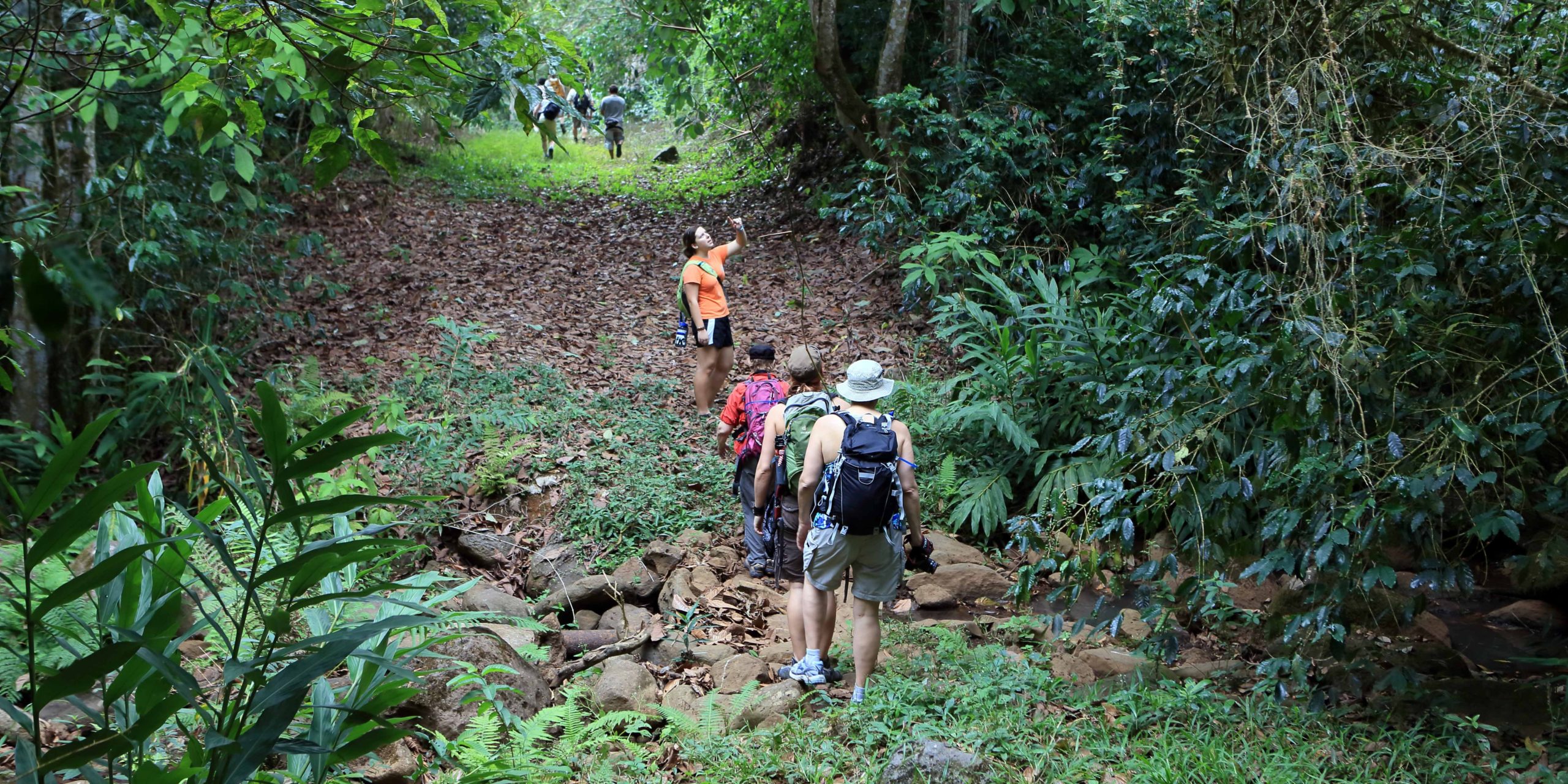
Planning a trip to the Galápagos Islands? Whether you’re dreaming of snorkeling with sea lions, walking beside giant tortoises, or simply curious about what life is like on the islands, this guide is for you.
As Galápagos travel specialists, we hear a lot of great questions from travelers, about the rules, the culture, the people, and how to explore responsibly. To help you prepare for your adventure, we’ve put together answers to the most frequently asked questions, so you can arrive feeling ready, informed, and inspired.
Where Are the Galápagos Islands?
The Galápagos sit about 600 miles (1,000 km) off the coast of Ecuador, directly on the equator.
The islands were formed by volcanic activity deep beneath the Pacific Ocean. Their isolation is what made them famous. With no natural predators and limited outside influence for thousands of years, wildlife evolved in extraordinary ways, inspiring naturalist Charles Darwin and contributing to the ideas behind On the Origin of Species.
That same isolation is why conservation rules today are so strict, and why visiting feels so different from anywhere else on Earth
How Many Islands Do the Galapagos Have?
The Galápagos archipelago is made up of 13 main islands, 6 smaller islands, and more than 100 islets and rocky outcrops. While the national park protects most of the territory, not all islands are open to visitors. Many are strictly restricted to safeguard fragile ecosystems and wildlife, and can only be accessed by scientists with special permits.
On a Galápagos tour, you have the option of fully exploring the four inhabited islands:
- Santa Cruz: The most populated, home to Puerto Ayora
- San Cristóbal: Provincial capital, home to Puerto Baquerizo Moreno
- Isabela: The largest island, known for dramatic volcanoes
- Floreana: The smallest community, quiet and historic
These islands offer the perfect window into the nature, history, and culture of the Galápagos. From learning about volcanic origins and conservation efforts to seeing some of the archipelago’s most iconic species, blue-footed boobies, giant tortoises, marine iguanas, and playful sea lions, you’ll experience the Galápagos in a meaningful, immersive way.
Do People Live on the Galapagos Islands?
Yes, and this surprises many visitors.
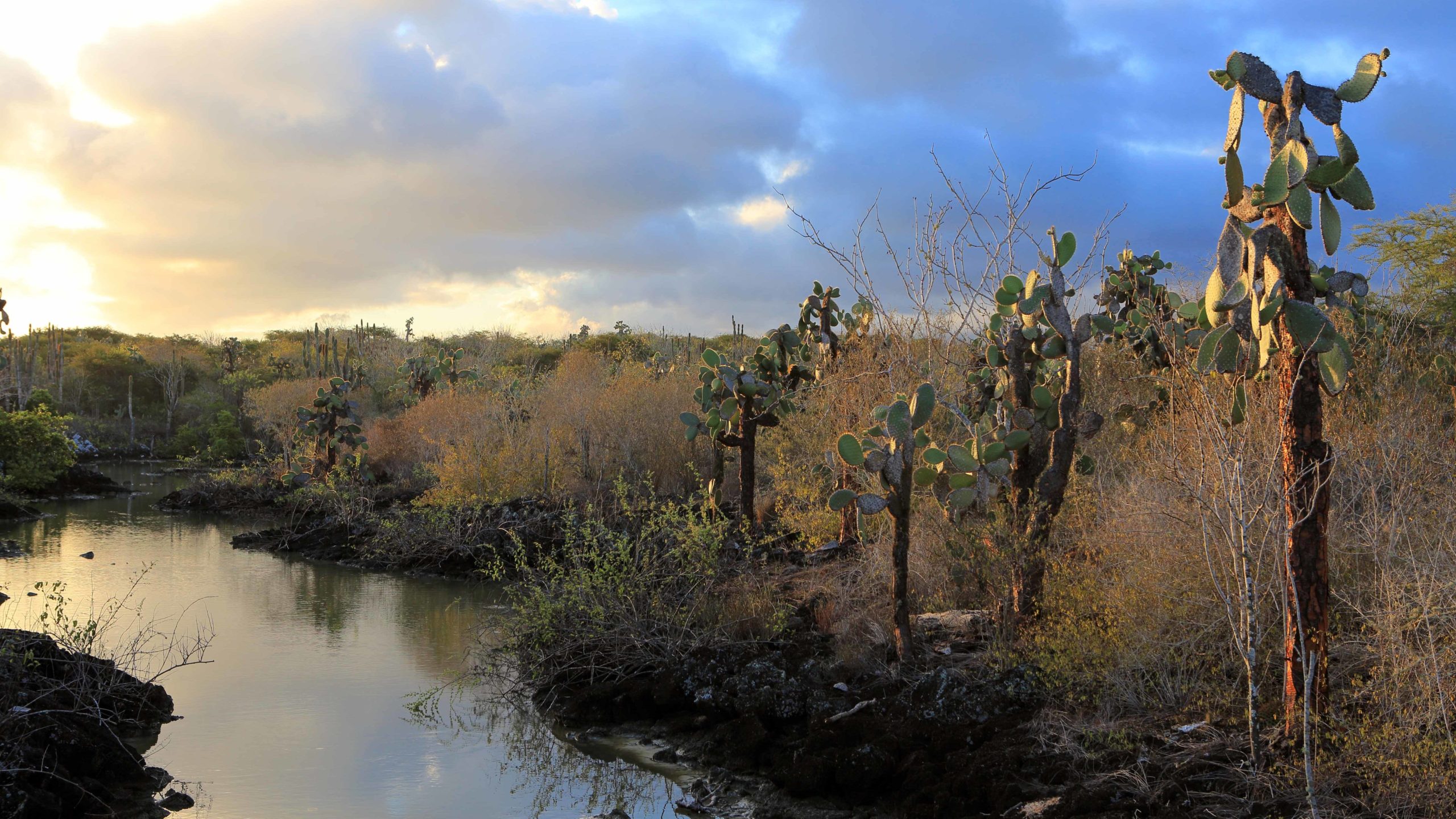
While 97% of the land area is protected under the Galápagos National Park, small towns thrive across the inhabited islands. About 30,000 people live in the archipelago, with the population concentrated primarily on Santa Cruz, followed by San Cristóbal and Isabela, and a small number of residents on Floreana.
Most locals work in conservation, tourism, fishing, or education, and many families have lived here for generations. Visiting these towns gives travelers a unique perspective on daily life in the Galápagos, from eating at local restaurants and shopping in family-run stores to staying in locally owned hotels. Every interaction supports the communities that protect these islands.
With Galakiwi’s land-based tours, you’ll experience these communities firsthand while traveling sustainably, enjoying authentic local culture, and contributing to the long-term health of the islands.
How Does the Galapagos National Park System Work?
This is one of the most important things to understand before visiting.
The Galápagos National Park operates under some of the strictest conservation regulations in the world. These rules exist to protect the islands’ unique wildlife and fragile ecosystems, and to ensure visitor safety.
Here’s how the system works:
- Visitor sites are carefully regulated, and many require specific permits to access.
- Daily visitor numbers are limited to prevent overcrowding.
- All protected sites must be visited with a certified naturalist guide.
- Biosecurity controls are enforced from the moment you depart for the islands, including inspections before boarding your flight and again upon arrival to each island.
- Minimum distance rules protect wildlife and prevent human interference.
These aren’t inconveniences. They’re the reason the Galápagos still feels wild, intimate, and remarkably untouched.
Conservation isn’t a marketing concept here, it’s the operating system that makes your experience possible.
What Is Not Allowed in the Galapagos?
The Galápagos Islands are one of the most carefully protected ecosystems on Earth, and the rules here are part of what keeps the islands wild and wonderful for future generations. These aren’t just guidelines, they’re essential to conservation.
Here are a few things to consider for your visit to the Galápagos:
🚫 Avoid single-use plastics (like straws and plastic bags). We recommend that guests bring a reusable water bottle instead.
🚫 Feeding, petting, or disturbing wildlife is strictly prohibited.
🚫 Don’t take natural souvenirs (no shells, rocks, coral, sand, etc.), but local crafts make great keepsakes!
🚫 Leaving marked trails or exploring without a guide is prohibited.
🚫 Don’t bring in foreign species, no fruits, plants, or seeds from outside the islands.
Even something as simple as getting too close to an iguana can stress the animal or change its natural behavior. By respecting the rules, you’re helping protect the unique wildlife of the Galápagos, keeping the islands wild, thriving, and just as magical for future visitors.
Is the Galápagos Physically Demanding?
The Galápagos is an adventure destination, this is not a resort-style vacation.
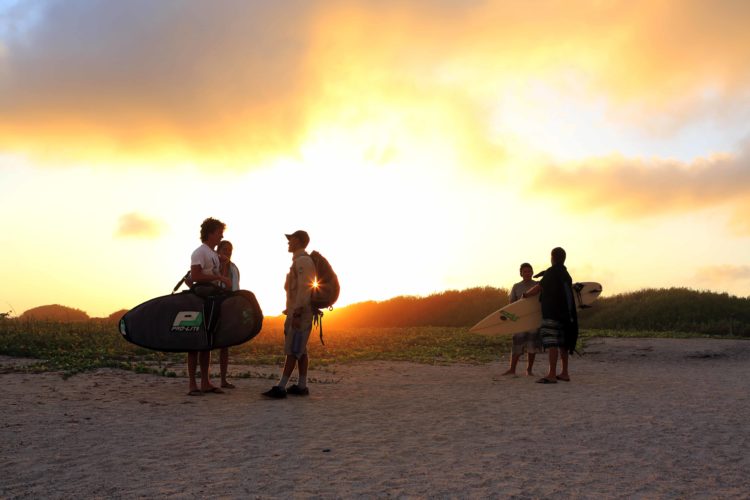
Expect truly wild wildlife encounters, light to moderate hikes (typically 1–3 hours at a time), snorkeling in open water, strong equatorial sun, and the invigorating feeling of being somewhere genuinely remote. Inter-island travel is by small boat or plane, and WiFi is limited and often slow.
With Galakiwi days are active but balanced. You might hike across volcanic terrain in the morning and snorkel alongside sea lions in the afternoon, followed by a relaxed evening in town.
Most travelers with moderate fitness do very well.
If you enjoy being outdoors, moving your body, and immersing yourself in nature, you’ll thrive here. If your ideal vacation involves lounging poolside all day with consistent high-speed internet, the Galápagos may not be the right fit.
What Is the Climate Like in the Galapagos Islands?
The Galápagos has two main seasons, the warm season and the cool garúa season, and each offers a different experience for travelers. No matter when you visit, wildlife is active year-round, and every month brings its own highlights.
Warm Season (December–May):
- Clear skies, sunshine, and warmer temperatures
- Calmer seas, perfect for snorkeling, kayaking, and paddleboarding
- Green, lush landscapes
- Great time for spotting marine life during water activities
Cool / Garúa Season (June–November):
- Cooler temperatures with misty mornings
- Nutrient-rich waters that attract incredible marine wildlife
- More active seabirds and great moments for photographers
- Slightly choppier seas, but excellent conditions for marine wildlife encounters
A Few Tips for Your Galápagos Trip:
- Bring reef safe sunscreen and remember to reapplie constantly, even on not so sunny days the sun on the equator is serius
- bring a reusable water bottle
- a light rain jacket is always handy wether in the highlands can be unpredictable, and is very useful for boat rides too
- Wildlife changes month to month, check seasonal highlights when planning your Galápagos tour.
For a deeper look at temperatures, wildlife activity, and monthly conditions, explore our full guide:
The Galápagos Weather Guide
What Language Is Spoken in the Galapagos?
The official language of the Galápagos (and all of Ecuador)is Spanish. While Spanish is spoken everywhere, you can expect to find some people who speak English in many parts of the islands, especially in main towns like Puerto Ayora on Santa Cruz or Puerto Villamil on Isabela. In these areas, many locals and guides speak basic to fluent English, particularly those working in hospitality and tourism.
A few helpful Spanish words go a long way. Locals always appreciate the effort, and knowing a handful of key phrases can help you connect more easily and navigate your trip more smoothly. Here are a few practical ones to remember:
Helpful Spanish Phrases
- Hola – Hello
- Gracias – Thank you
- ¿Puede ayudarme? – Can you help me?
- ¿Habla inglés? – Do you speak English?
- ¿Dónde está…? – Where is…?
- ¿Cuánto cuesta? – How much does it cost?
- Baño – Bathroom
Our Galakiwi guides are bilingual, so you’ll always feel comfortable during your tours. But don’t be shy, saying a few words in Spanish adds to the experience and is a great way to connect with the local culture!

What Is the Best Way to Visit the Galápagos Islands?
When planning a trip to the Galápagos, there are two main options: taking a cruise or opting for a land-based tour. While cruises are the more widespread choice, land-based tours offer a unique and enriching way to experience the islands.
Staying on the islands themselves allows you to explore more deeply and at your own pace. Here’s what makes a land-based adventure so special:
- Explore farther and deeper on each island
- Enjoy a more flexible, active, and immersive adventure
- Experience local life, culture, and community
- Support locally owned businesses that protect the islands
- Learn from naturalist guides who know each trail, beach, and hidden corner
It’s a way of traveling that keeps you grounded, literally, while opening the door to meaningful encounters with wildlife, landscapes, and the people who call the Galápagos home.
The Galápagos is perfect for travelers who seek more than just a vacation
If you love wildlife, value conservation, enjoy active days, and appreciate small-scale, intentional travel, these islands offer an experience like no other. Here, every hike, snorkel, and wildlife encounter is immersive, every community visit meaningful, and every moment connects you to a place that has been carefully protected for generations.
Whether you’re wondering about the language, what you can bring, or who you might meet along the way, the Galápagos is more than a destination; it’s a place like no other. Get a first glimpse of the islands and their magic here.
Traveling with a knowledgeable, locally based operator like Galakiwi ensures you’ll be guided through every aspect of the islands, from wildlife and landscapes to local communities and the rules that protect this fragile ecosystem.
Start planning your Galápagos adventure with Galakiwi today. Explore responsibly, comfortably, and with insider insight into the islands we call home. Explore our tours or let’s talk about your adventure!
Discover our tours or let’s talk about your adventure.