
March 14, 2026
Galapagos Lava Gull: Meeting One of the World’s Rarest Seabirds
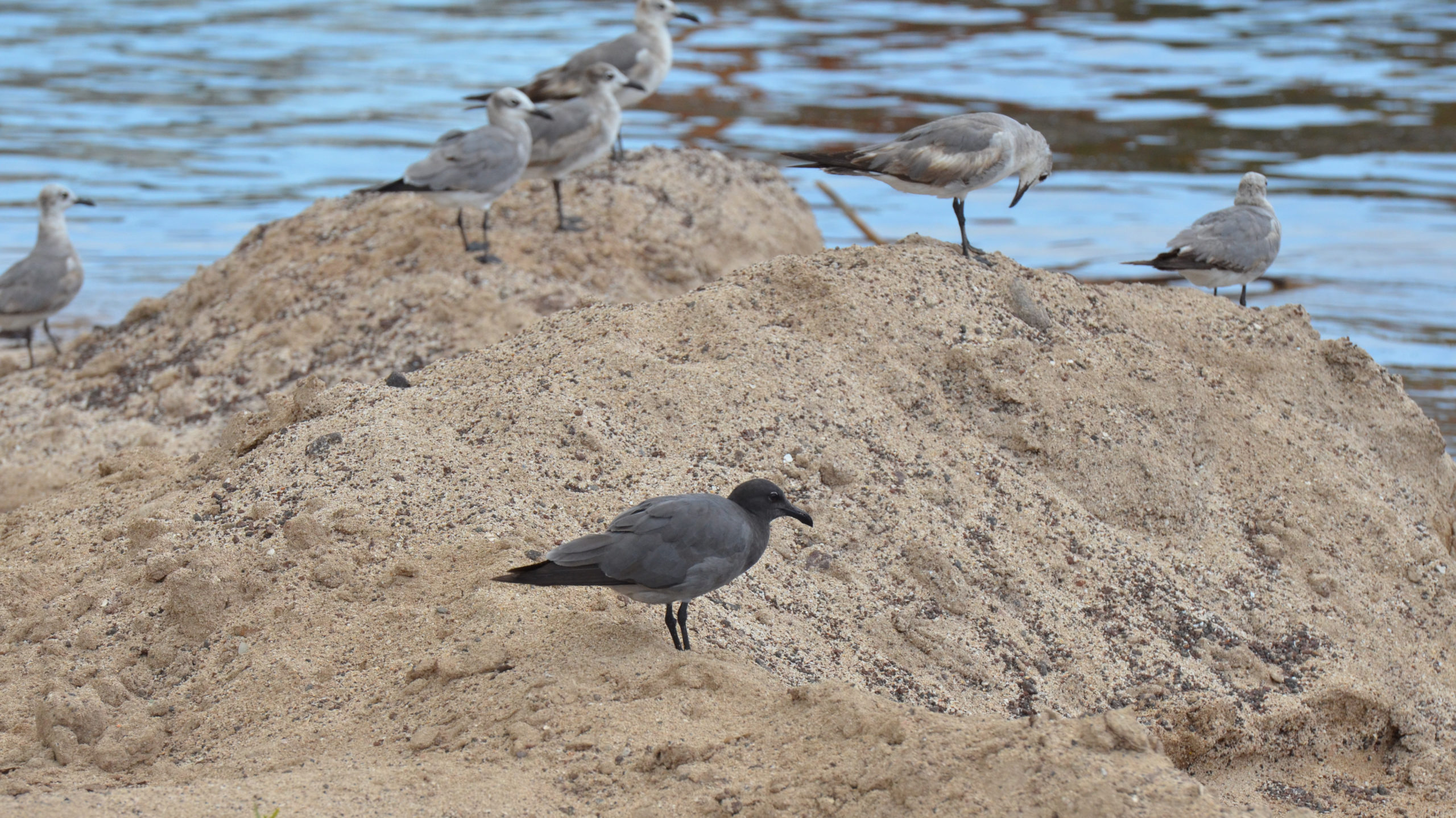
Along the edges of the Galápagos Islands, where black volcanic rock meets quiet tide pools, a small, dark-gray bird sometimes appears. It doesn’t announce itself loudly. It doesn’t gather in flocks. If you’re lucky, you notice it standing alone near the waterline, alert and watchful, perfectly at home in this stark landscape.
This is the lava gull, considered the rarest gull in the world.
With an estimated population of just 300 to 600 individuals, seeing one is not a guarantee, even for those who know the islands well. And that rarity is exactly what makes the encounter so meaningful.
What Makes the Lava Gull So Unique
Unlike most gull species, lava gulls are endemic to the Galápagos, they exist nowhere else on Earth. Their charcoal-gray plumage blends seamlessly with lava rock coastlines, offering natural camouflage rather than the bright whites typically associated with seabirds.
They are also unusually solitary. Lava gulls are often seen alone or in pairs, especially when nesting, and they are fiercely territorial. Rather than congregating around busy harbors or fishing boats, they prefer quiet shorelines, lagoons, and isolated coves.
This combination of extreme rarity, limited range, and solitary behavior makes every sighting feel deeply personal, a moment that belongs entirely to the place where you’re standing in the Galápagos Islands.
How the Lava Gull Got Its Name
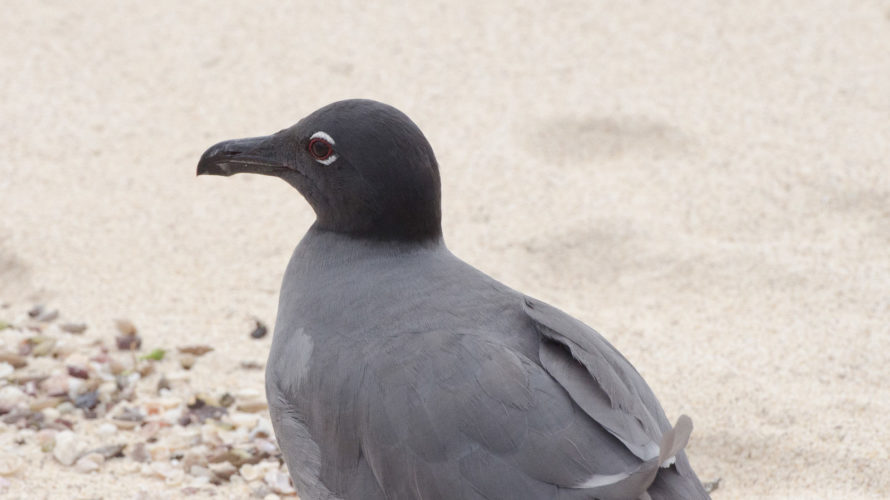
The lava gull’s name comes directly from its environment.
Its dark gray feathers echo the color of cooled lava flows that shape much of the Galápagos coastline. When the bird stands motionless against volcanic rock, it can be surprisingly difficult to spot, an adaptation that helps protect it from predators and disturbance.
In many ways, the lava gull looks like it has been sculpted by the islands themselves.
Where Lava Gulls Live in the Galápagos
Lava gulls are found only within the Galápagos archipelago, typically along rocky shorelines, coastal lagoons, and quiet beaches. They favor areas with minimal human activity and are especially sensitive during nesting season.
Galapagos travelers are more likely to encounter them on islands like Santa Cruz, Isabela and San Cristóbal, where coastlines remain wild and undisturbed. Even then, sightings are brief, often a single bird scanning the water or walking deliberately along the shore.
This scarcity is not accidental. The lava gull’s entire world is limited to these islands, making its survival deeply tied to the health of Galápagos coastal ecosystems.
What Lava Gulls Eat
Lava gulls are opportunistic feeders, relying on the rich marine life surrounding the islands.
Their diet includes small fish, crustaceans, and other marine organisms found in tide pools and shallow coastal waters. They may also scavenge occasionally, but unlike other gull species, they are far less dependent on human presence or waste.
This close relationship with the marine environment means that changes to coastal ecosystems, even subtle ones, can have outsized impacts on their survival.
When Is the Best Time to See a Lava Gull?
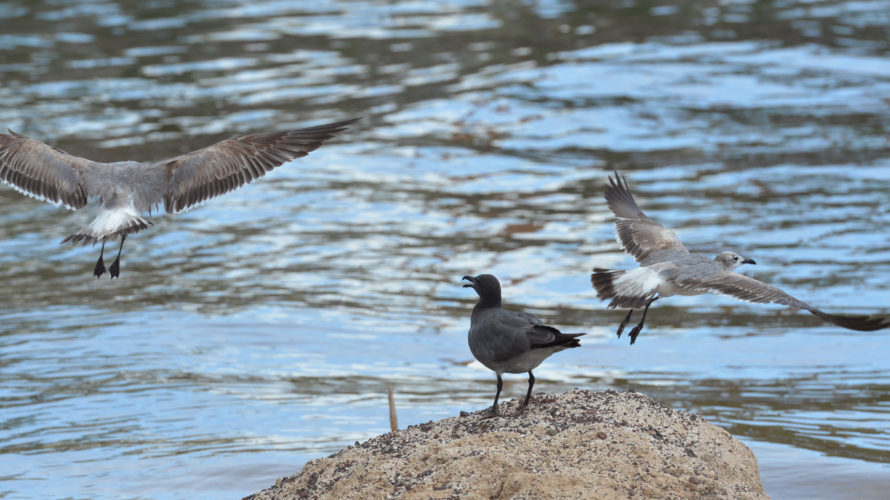
There is no guaranteed season for spotting a lava gull. They remain in the Galápagos year-round, but their low numbers and solitary habits make sightings unpredictable.
That said, patient observation along quiet shorelines, especially early in the morning or later in the afternoon, offers the best chance. Often, it’s a naturalist guide’s trained eye that notices the bird first, blending so completely into its surroundings.
When you do see one, the moment is fleeting, and that’s part of its magic.
The Threats Lava Gulls Face
Despite living in a protected archipelago, lava gulls face serious challenges. Their small population makes them especially vulnerable to:
- Invasive species that prey on eggs and chicks
- Habitat disturbance along coastlines
- Pollution and changes in marine food availability
Because they nest on the ground near shorelines, even limited human disturbance can have consequences. A single lost nesting season can significantly affect such a small population.
This is why conservation in the Galápagos isn’t abstract, it’s immediate, practical, and ongoing.
How to Observe Lava Gulls Responsibly
Encountering a lava gull is a privilege, not a checklist item.
Responsible observation means keeping a respectful distance, avoiding sudden movements, and never approaching nesting areas. Photography should be done quietly and without disrupting the bird’s natural behavior.
Traveling with licensed naturalist guides is especially important here. They understand how to read wildlife behavior, when to pause, and when to move on, ensuring that moments of wonder don’t become moments of stress for the animals.
At Galakiwi, wildlife encounters are shaped by this philosophy. Our approach to Galápagos Islands ecotourism prioritizes calm observation, education, and respect, allowing rare species like the lava gull to continue living on their own terms. You can learn more about conservation projects led by Galápagos Conservancy for this species here.
A Rare Reminder of Why the Galápagos Matters
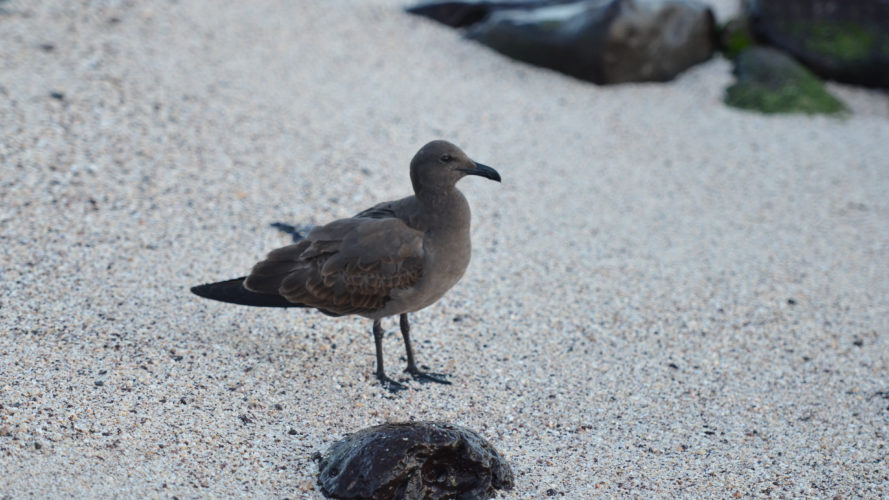
Seeing a lava gull is not about spotting something few others have seen. It’s about witnessing how fragile and extraordinary island ecosystems can be.
In a world that often moves fast and loud, the lava gull exists quietly, a reminder that protection, patience, and care are what allow places like the Galápagos to endure.
Sometimes, the most powerful wildlife encounters are the quietest ones, the ones that ask you simply to notice, to learn, and to leave no trace behind. To discover more iconic Galápagos species, explore our blog, or find inspiration for your own journey through our Galápagos Islands sustainable tours.