January 12, 2026
Galápagos Iguanas Receive the Highest Level of International Protection
This content is available in English only
.jpg)
Galápagos iguanas, some of the most iconic and evolutionarily unique reptiles on Earth, have just received the strongest international protection available under global wildlife trade regulations.
During the 20th Conference of the Parties (CoP20) of CITES (the Convention on International Trade in Endangered Species of Wild Fauna and Flora), held in Samarkand, Uzbekistan, Ecuador successfully secured international consensus to elevate both marine and land iguanas of the Galápagos to the treaty’s highest protection category. The decision marks a major step forward in the fight against illegal wildlife trade and reinforces the global importance of safeguarding these endemic species.
What Was Decided at CITES CoP20
On December 3, 2025, Ecuador presented Proposals 22 and 23 to the Convention on International Trade in Endangered Species of Wild Fauna and Flora (CITES). The proposals were approved by consensus in Committee I of the conference, with participation from representatives of more than 180 countries.
As a result, Galápagos marine iguanas and land iguanas are now listed under the most restrictive category of the CITES treaty, effectively banning their international commercial trade.
This decision recognizes the growing pressures these species face and strengthens international controls to prevent their exploitation.
.jpg)
Why Galápagos Iguanas Are So Unique
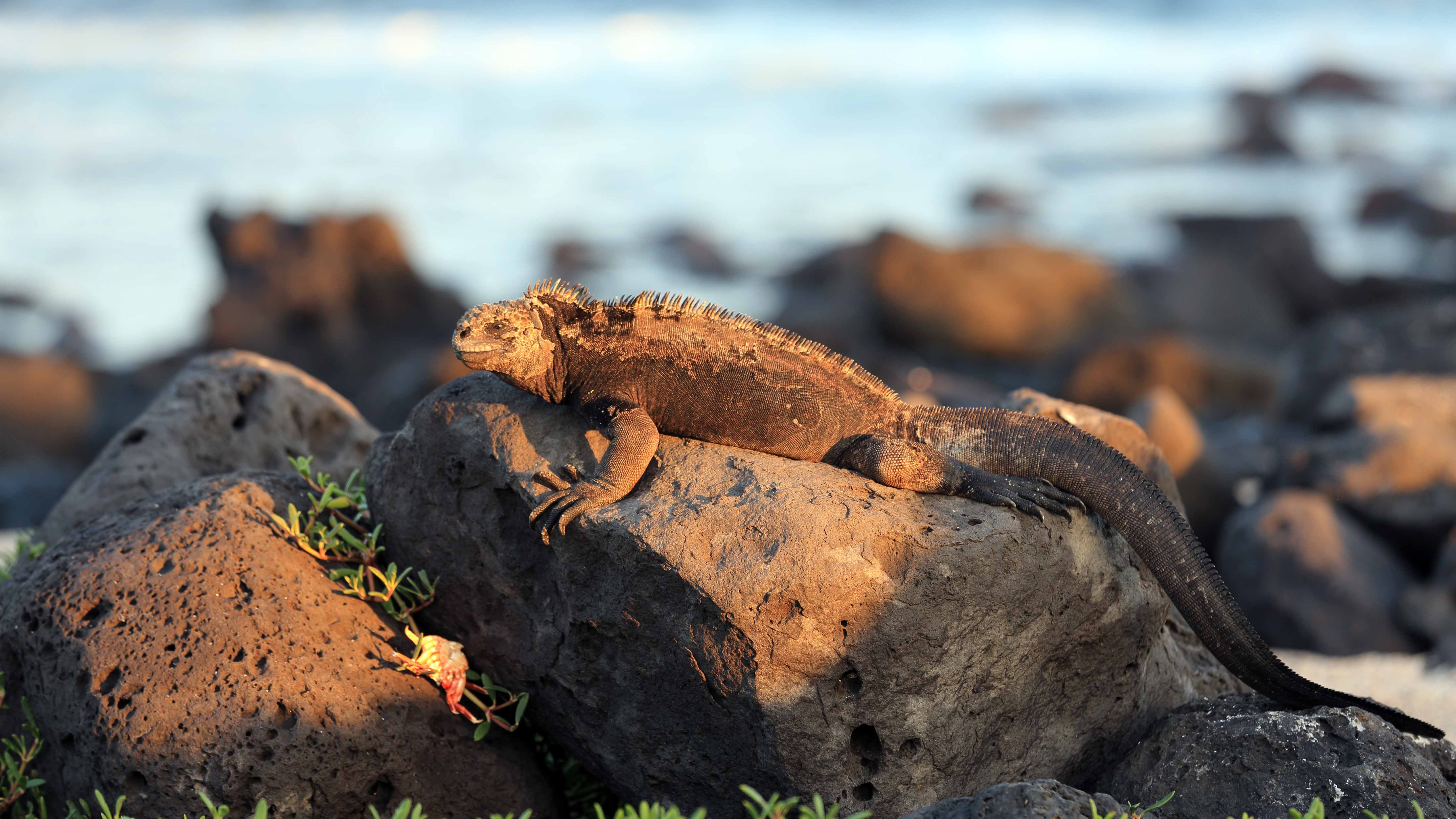
The marine iguana (Amblyrhynchus cristatus) is found nowhere else on Earth and is the only sea-going lizard in the world. It has evolved remarkable adaptations that allow it to forage underwater on marine algae, with 11 genetically distinct populations spread across the archipelago.
The protection also covers Galápagos land iguanas of the genus Conolophus, including C. subcristatus, C. pallidus, and C. marthae. These species play a crucial role in island ecosystems as seed dispersers and landscape shapers, yet remain highly vulnerable due to their limited range.
From Appendix II to the Highest Level of Protection
Both marine and land iguanas had been listed under CITES Appendix II since 1975, which allows regulated international trade. However, a rise in documented cases of illegal international trafficking detected in 2022 prompted Ecuador to request stronger safeguards.
Although the hunting and capture of these species has been illegal in Ecuador since 1959, international demand has continued to pose a risk. Under the new listing, all international commercial trade is prohibited, and captive breeding centers must now register formally with the CITES Secretariat, adding an extra layer of oversight and accountability.
A Strong Signal for Conservation
Ecuador’s leadership at CoP20 underscores its broader commitment to biodiversity conservation in the Galápagos and beyond. The decision reflects a science-based approach that combines strict environmental controls, international cooperation, and enforcement against wildlife trafficking.
For the Galápagos, where species have evolved in isolation over millions of years, preventing illegal extraction is essential. Strong international agreements like CITES play a critical role in ensuring that these animals remain where they belong, in their natural habitats, shaping ecosystems that exist nowhere else on the planet.
At Galakiwi, we see this milestone as an important reminder that conservation is not only local but global. Protecting the Galápagos means aligning policy, science, and responsible travel to ensure these extraordinary species continue to thrive for generations to come.