February 13, 2026
Galápagos National Park recognized for Regenerative Conservation of the Year 2025
This content is available in English only
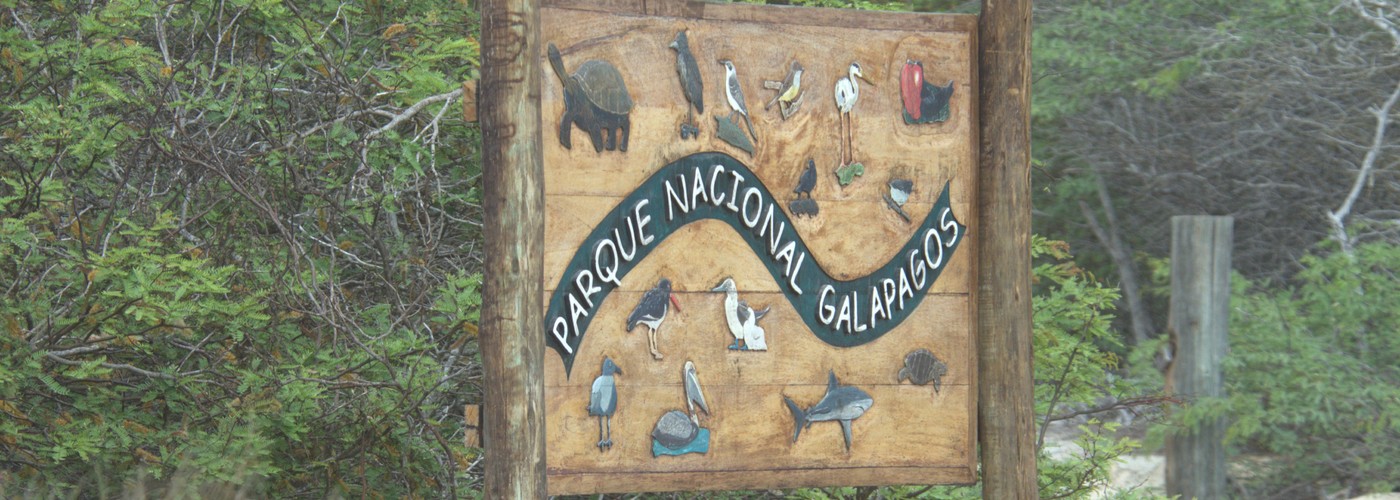
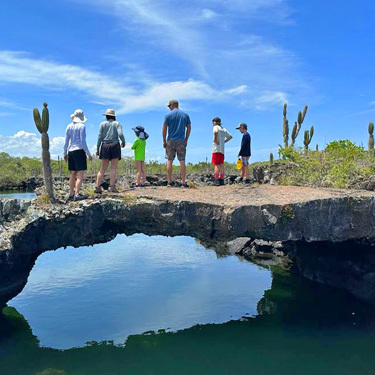
The Galápagos Islands have always been a place where nature sets the rules. Lava fields meet turquoise waters, giant tortoises move at their own pace, and seabirds nest just steps from the trail. Now, the Galápagos National Park is being recognized not only for protecting this extraordinary place, but for rethinking how conservation and tourism can work together for the long term.
The Galápagos National Park Directorate was awarded “Regenerative Conservation of the Year 2025” by Regenerative Travel, one of the most respected global organizations promoting regenerative tourism. This recognition highlights initiatives that create lasting environmental and social benefits, going beyond protection to actively restore and strengthen ecosystems and communities.
A Global Recognition for a One-of-a-Kind Place
Designated as a UNESCO World Heritage Site, the Galápagos Islands are among the most important natural heritage areas on the planet. What makes this award especially meaningful is its focus on regeneration, not just conservation as damage control, but conservation as a proactive, thoughtful process.
In a fragile archipelago where every decision leaves a footprint, the Galápagos National Park is embedding regenerative principles directly into its management. This means planning ahead, working with science and local knowledge, and ensuring that protection is intentional rather than reactive.
When Tourism Becomes Part of the Solution
For decades, tourism was often seen as a constant pressure on sensitive ecosystems. Today, that narrative is changing, and travelers are giving more importance to sustainable tourism.
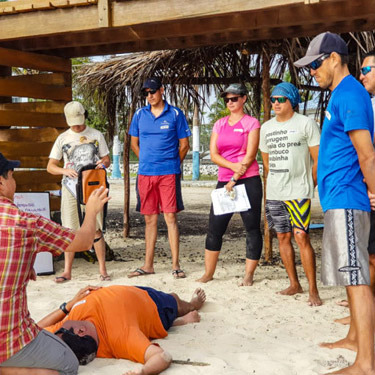
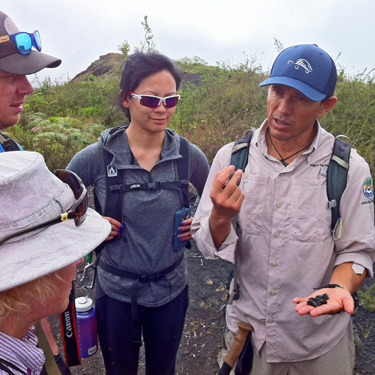
Through careful planning, visitor limits, guide training, community involvement, and ongoing research, tourism in the Galápagos is becoming an active contributor to conservation. Entrance fees support park management, local guides share deep ecological knowledge, and community-based initiatives ensure that benefits stay on the islands.
This approach doesn’t eliminate impact, but it transforms it. Protection becomes a shared responsibility, and every visit becomes an opportunity to support the health of the islands.
What This Means for Travelers
Supporting conservation in the Galápagos isn’t abstract, it’s personal and practical. As travelers, choices matter.
From the local travel operator you choose, to how you interact with wildlife, to where you eat and stay, each decision helps shape the future of the islands. Traveling sustainably means:
- Choosing operators who work closely with local communities
- Keep a respectful distance from wildlife and their habitats.
- Supporting locally owned businesses and community tourism initiatives
- Traveling with curiosity, humility, and care
These actions promote shared values of co-responsibility, respect, and harmonious coexistence between people and nature.
A Shared Responsibility for a Rare Place
Places like the Galápagos are truly one of a kind. Their ecosystems evolved in isolation, and their survival depends on thoughtful stewardship, by park authorities, local communities, and visitors alike.
The Regenerative Conservation of the Year 2025 award is a reminder that meaningful change is possible when protection, community, and tourism are aligned. It’s not about doing more, it’s about doing better, together.
If you’d like to learn more about sustainable travel in the Galápagos, we invite you to explore our blog. We especially recommend reading about the impact of community tourism in the Galápagos, and how travelers can be part of a conservation story that’s still being written.