March 2, 2026
After 180 Years, Giant Tortoises Walk Floreana Once More
This content is available in English only
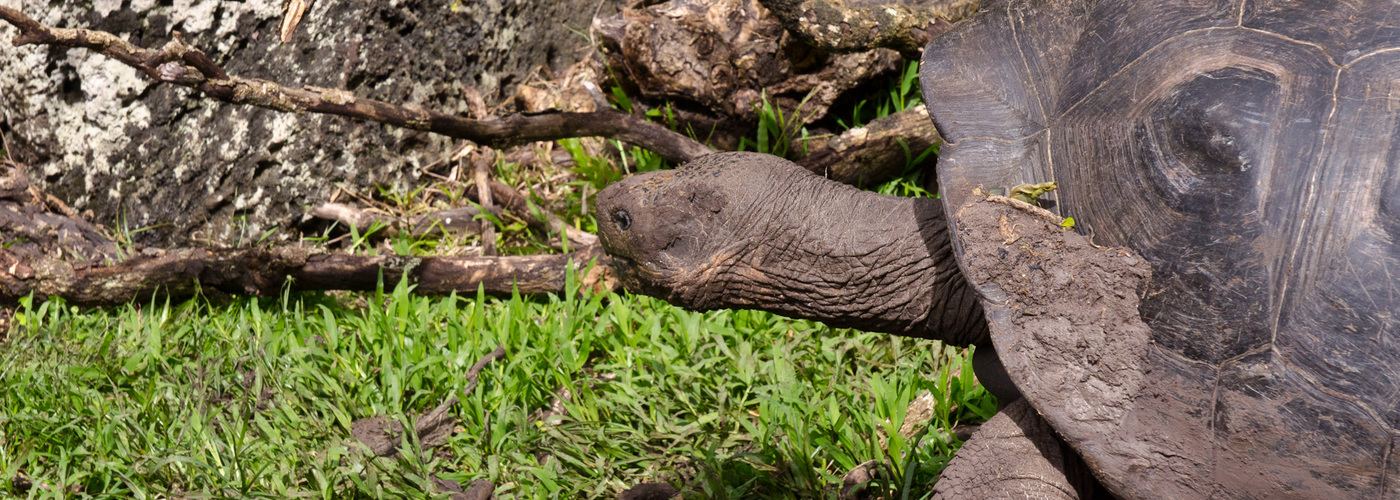
Many of our adventurers have witnessed parts of Floreana’s conservation story while visiting this small Galápagos island rich in history. After being heavily visited by pirates and whalers in the 1800s, Floreana’s natural habitat was deeply affected. It was also the first inhabited island in the archipelago, a milestone that brought lasting pressure on its ecosystems.
Giant tortoises were among the species most impacted. Constant exploitation and the introduction of invasive species led to their disappearance from the island, and for many years, Floreana’s giant tortoises were considered extinct.
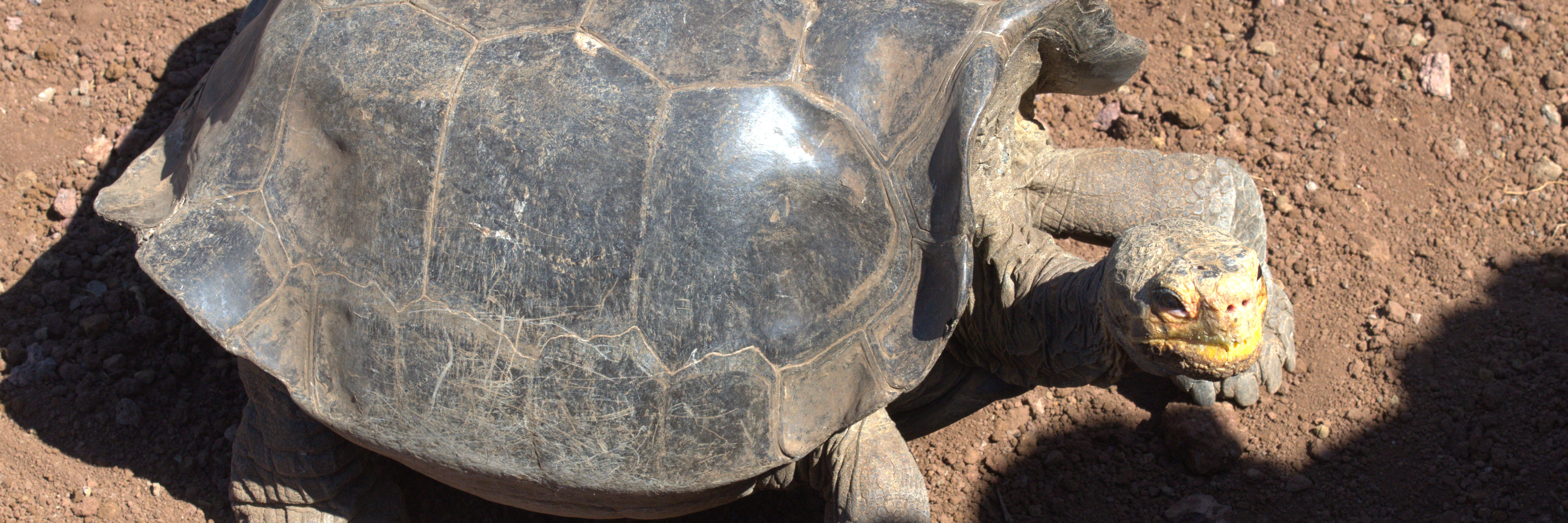
In the early 2000s, however, a team of scientists led by Dr. James Gibbs, Vice President of Science and Conservation at Galápagos Conservancy, made an extraordinary discovery during an expedition on Isabela Island. They encountered a group of giant tortoises with saddleback shells, a surprising find, as Isabela tortoises are known for their domed shells.
DNA testing confirmed remarkable news for conservation in the Galápagos Islands: these tortoises carried the genetic lineage of one of the three extinct Floreana giant tortoise species. From that moment on, the Galápagos National Park Directorate, Galápagos Conservancy, and other conservation partners began a long-term effort to return giant tortoises to Floreana, their ancestral home.
The goal was not to recreate the past exactly, but to reintroduce giant tortoises so they could once again fulfill their essential ecological role on the island.
Why Now Is the Right Time to Reintroduce Tortoises
The return of giant tortoises to Floreana has been made possible thanks to years of work under the Floreana Island Ecological Restoration Project. The impact of early human colonization left the island with numerous introduced species, making conditions unsuitable for the immediate release of tortoises, especially juveniles.
Over time, the project focused on restoring balance to the island’s ecosystems by removing invasive rodents and feral cats, which pose serious threats to native wildlife in an environment with no natural predators. The initiative also includes habitat restoration and the reintroduction of native species that had disappeared from the island.
Led by the Galápagos National Park Directorate (GNPD) and the Galápagos Biosecurity Agency (ABG), with the support of the Charles Darwin Foundation, Jocotoco Foundation, and Island Conservation, the project centers on three core actions: removing invasive fauna, restoring native habitats, and reintroducing twelve key animal species that had been extirpated from Floreana.
With invasive predators reduced, habitats restored, and extensive health screenings completed, conservation teams raised juvenile tortoises for 12 to 14 years under expert care, ensuring they were strong enough to survive independently once released into the wild.
If you want to take a closer look at this project or support it, check it out here.
Why Giant Tortoises Matter
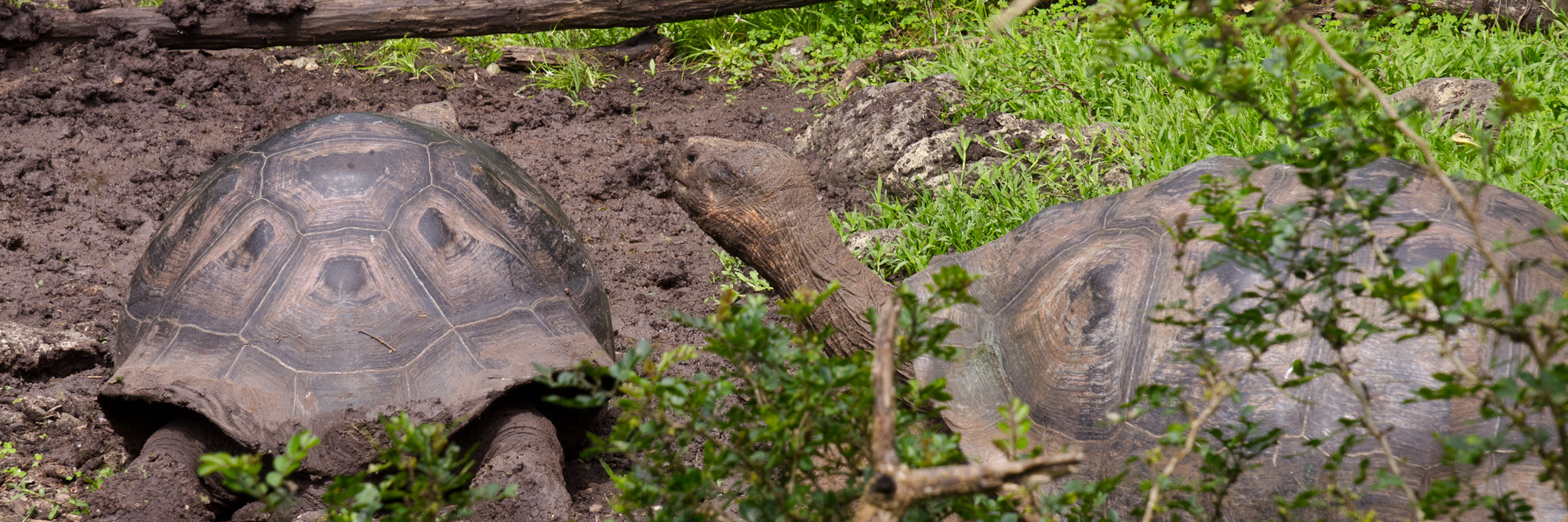
Giant Galápagos tortoises are among the most important ecosystem architects in the islands. They help disperse seeds, control plant growth, and shape the landscape, creating conditions that allow many other species to thrive.
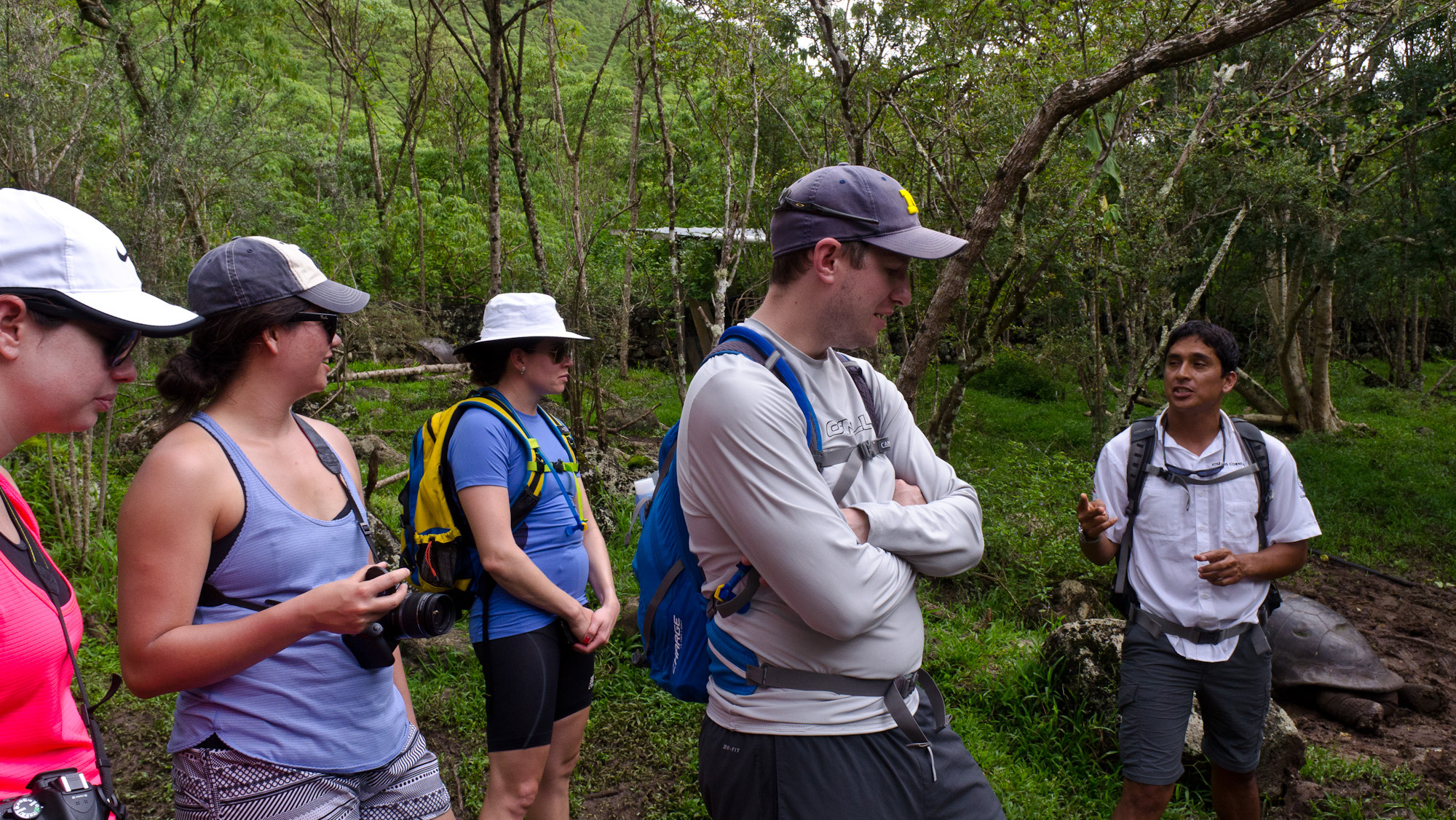
Many Galakiwi Adventurers visiting Floreana today may say they have already seen Floreana giant tortoises, and they would be right. For years, our tour groups could observe a small number of tortoises in managed care during hikes to Florean’s highlands. Since their rediscovery, scientists have carefully bred and raised hundreds of tortoises under controlled conditions, ensuring they were strong enough to survive independently in the wild.
After 26 years of conservation work, that effort reached a major milestone: 158 giant tortoises were released back into Floreana, returning home after nearly 180 years.
Seeing these tortoises walk freely across their island once again is deeply inspiring, not only for the future of conservation in the Galápagos Islands, but also for island restoration efforts around the world. Today, the work underway on Floreana is emerging as a global model for restoring inhabited islands.
For travelers who have ventured to Floreana with us, this island offers a rare opportunity to experience conservation in action during Galápagos Islands tours. Supporting the local community is also a key part of the Floreana Island Ecological Restoration Project, which goes far beyond the release of the tortoises. It is an ongoing, collaborative effort between residents, conservationists, and travelers.
Traveling to Floreana through thoughtful, land-based tourism rooted in Galápagos Islands ecotourism not only supports local livelihoods, but also helps amplify one of the most hopeful conservation stories unfolding in the Galápagos today.
Get to know more about the release of these giant tortoises and how you can support them here. If you’d like to visit the Galápagos and gain an inside look into local life and conservation on Floreana, check out our tours or let’s plan a Galápagos experience tailored especially for you.