November 2, 2026
New Galápagos Visitor Rules Put Wildlife and Conservation First
This content is available in English only

Visitors to the Galápagos now have updated rules to follow when exploring the national park and marine reserve, with clearer requirements covering naturalist guides, wildlife distances, reservations at popular visitor sites, photography, drones, sunscreen, and other activities within protected areas.
For travelers, many of the principles behind the rules will already sound familiar: give wildlife space, follow your guide, avoid disturbing animals, and leave as little impact as possible. The updated regulations make those responsibilities more explicit and establish clearer standards for how people experience one of the world's most closely protected destinations.
Visiting Protected Areas With a Naturalist Guide
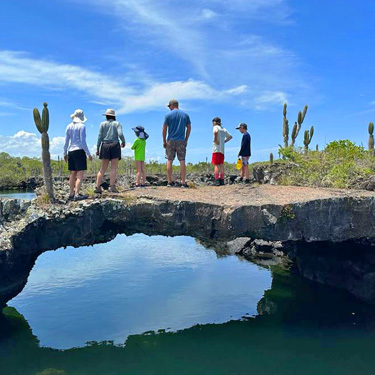
One of the most important points for travelers is straightforward: as a general rule, tourist visits within Galápagos protected areas must take place with a naturalist guide accredited by the Galápagos National Park.
Guides have always been central to the Galápagos experience, but their role goes well beyond showing visitors where to go.
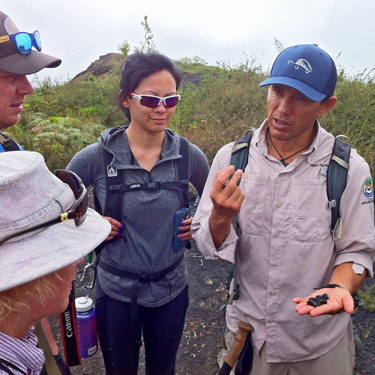
A good naturalist guide helps people understand what is happening around them: why a bird is behaving a certain way, when an animal needs more space, how an ecosystem is changing, or why seemingly small visitor behaviors can have an impact.
They also help ensure that visits follow park regulations while sharing the natural and human stories behind the places travelers are exploring.
For us at Galakiwi, guides are one of the most important connections between a traveler and the islands. They bring together natural history, local knowledge, conservation awareness, and the practical understanding that comes from spending so much time in these environments.
Reservations at Popular Visitor Sites
The updated regulations also formalize the reservation system used to manage visitor numbers at several high-use sites.
Naturalist guides responsible for the visit must present the assigned reservation before entering and follow the designated time slot.
For travelers, this is a part of Galápagos travel that may not always be visible. Behind a day of hiking, wildlife watching, or exploring another island is considerable coordination between guides, operators, and protected-area authorities.
Managing entry times can also help control pressure at popular locations rather than allowing too many people to arrive at once.
Giving Galápagos Wildlife Space
The new regulations updated the established minimum distances between visitors and wildlife.
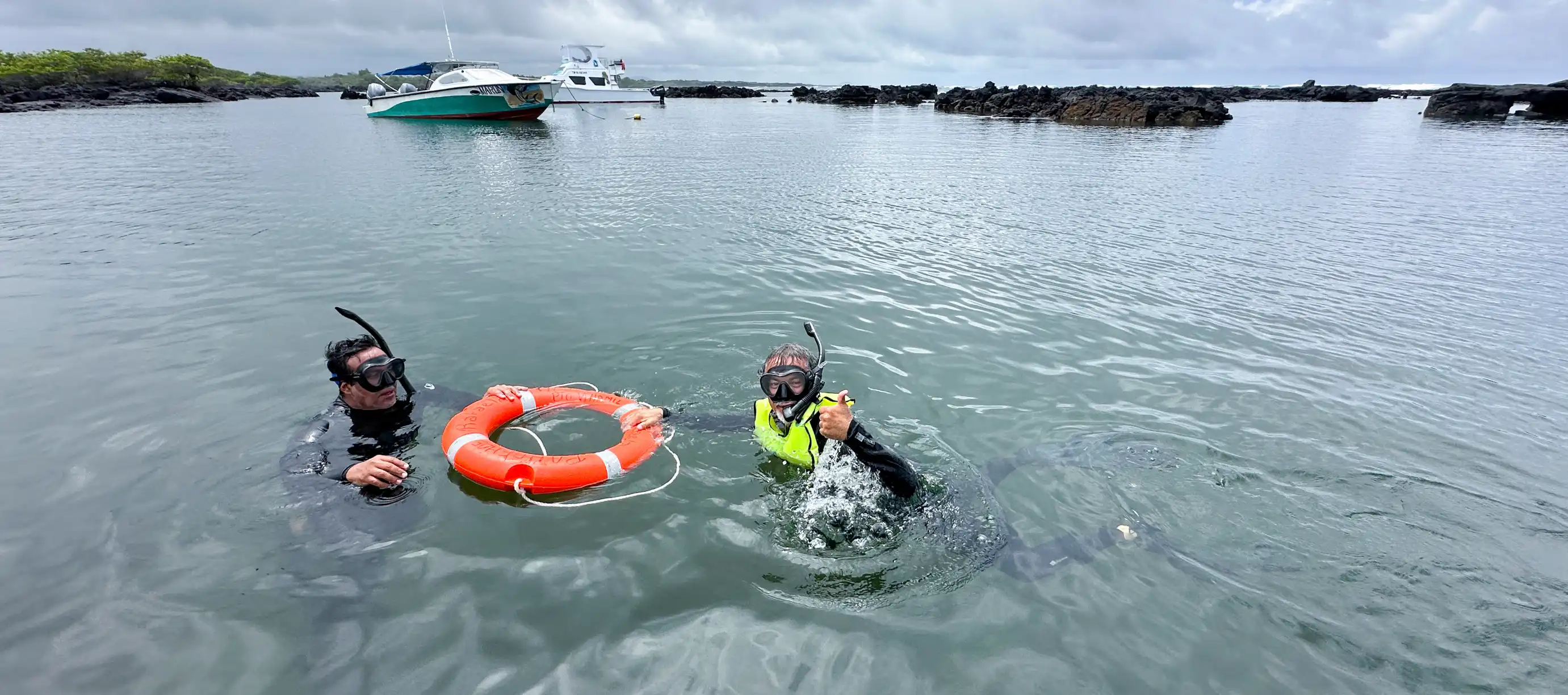
During activities such as walking, diving, snorkeling, and freediving, visitors must remain at least two meters (about 6.5 feet) from animals. During water-based activities like kayaking, stand-up paddleboarding, or panga rides, the new minimum distance is four meters (about 13 feet).
These distances matter in a place where animals often appear remarkably unconcerned by people.
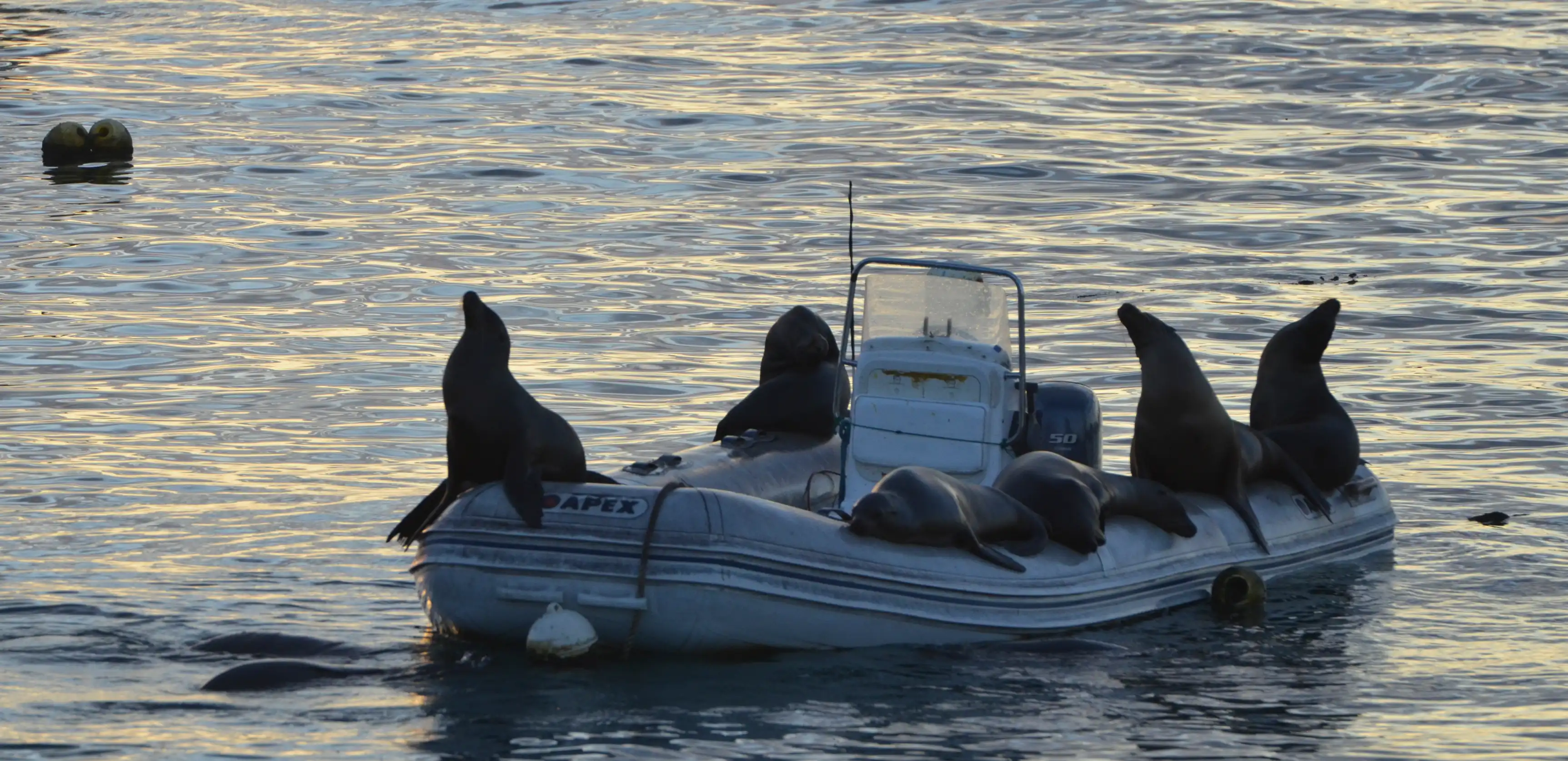
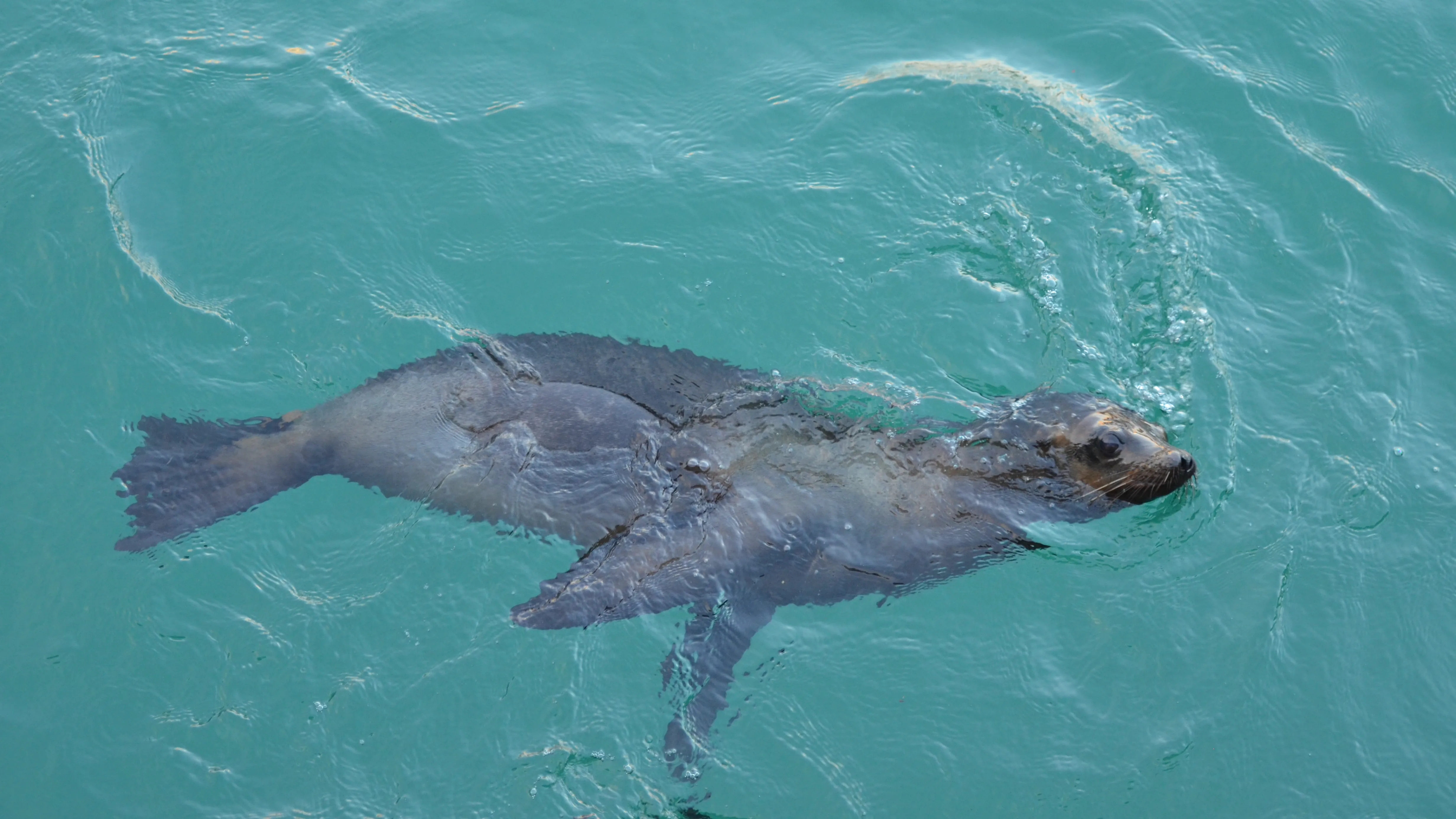
A sea lion might decide to rest beside a trail. A marine iguana may be exactly where you planned to put your foot. While snorkeling, a curious animal might even choose to approach you.
The important distinction is that wildlife making the decision to come closer is very different from a person deliberately approaching an animal for a photograph or encounter.
Giving animals space allows them to continue feeding, resting, nesting, and moving naturally.
There are separate requirements for observing cetaceans from boats. Visitors must remain at least 100 meters from whales and 50 meters from dolphins, with those distances doubled when groups include calves.
Photography Is Welcome, but Wildlife Comes First
Taking photographs is naturally a big part of a Galápagos journey, but getting the image should never come at the expense of our local wildlife.
Flash photography and other equipment that can alter wildlife behavior are prohibited. Professional filming, commercial photography, drones, and remote cameras require prior authorization from the Galápagos National Park Directorate.
For everyday travelers, the principle is simple. You can still capture the moments that make a Galápagos adventure memorable, but whether you are holding a phone or a camera, respect the required distance and never disturb wildlife to get a photograph.
The regulations also restrict unauthorized professional filming and drone use, which may require a special permit from the national park.
The regulations also address what happens after an image or video is taken. Digital material showing prohibited behavior, including content published on social media, may be used as evidence when authorities review the case.
In other words, something posted online doesn't stop being an environmental issue simply because the visit itself has ended.
A Few Things to Know Before You Visit
Some of the regulations concern things travelers might not immediately associate with wildlife protection.
In protected marine areas, sunscreens containing oxybenzone or octinoxate are not allowed, so packing reef-safe sunscreen is a good idea. This makes checking sunscreen ingredients and certifications before packing a worthwhile part of preparing for a Galápagos trip.
Playing sound through speakers or other devices without personal headphones is also prohibited within protected areas.
Certain tourism activities are restricted too, including motorized personal watercraft and aerial tourism. Choosing a regulated local travel provider can help make sure your activities follow the rules.
Why These Rules Matter
Galápagos offers something unusual.
Wildlife can come surprisingly close, not because it has been trained or placed there for visitors, but because many species have evolved with few natural predators and little fear of humans.
That creates both an incredible opportunity and a responsibility.
Rules around guides, reservations, visitor numbers, and where people can go may feel more administrative than keeping two meters from a sea lion, but they all serve the same purpose: protecting sensitive places from the pressures of tourism and helping visitors explore through regulated, trusted local partners.
For travelers, this also means there is more behind a Galápagos adventure than meets the eye. Guides, operators, and park authorities all play a role in managing access to places that are both visitor destinations and protected ecosystems.
At Galakiwi, responsible wildlife encounters and careful on-island coordination are part of how we explore these islands. Sometimes the best experience isn't moving closer, but stopping where you are and watching.
A blue-footed booby continues with its courtship. A marine iguana warms itself in the sun. A sea lion chooses whether it is interested in you at all.
Wildlife doesn't follow an itinerary, and that's part of what makes exploring Galápagos so memorable.
The rules may change as the islands' management needs evolve, but the underlying idea is much simpler:
We are the visitors here.