
July 8, 2026
Why a 6-Day Land-Based Tour Is One of the Best Ways to Experience the Galápagos
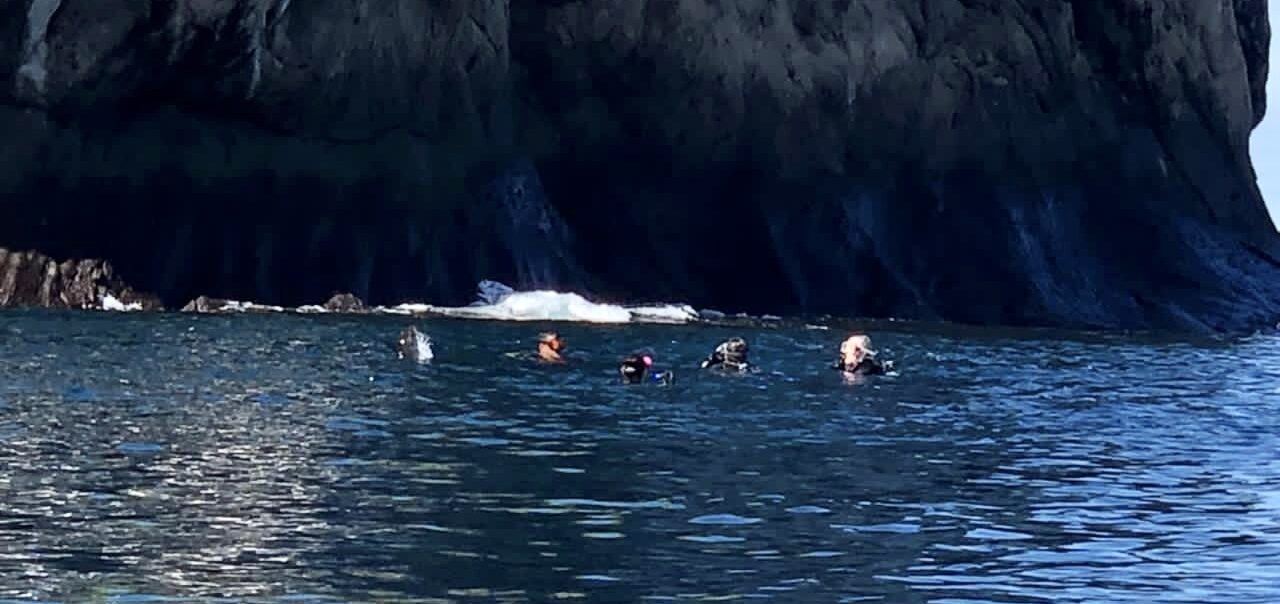
You finish a day of snorkeling with sea turtles and tropical fish, return to town, and find sea lions stretched out along the waterfront as the sun begins to set. Later, you enjoy fresh seafood at a local restaurant before taking an evening stroll along the malecón, watching pelicans dive into the bay.
These are the kinds of moments that make land-based travel in the Galápagos so memorable.
When people begin planning a trip to the islands, one of the first decisions they face is how they want to experience the archipelago. While there are several ways to visit, many travelers are surprised by how much a land-based journey allows them to see, do, and experience in a relatively short amount of time.
A 6-day land-based tour strikes a balance between exploration and flexibility. It provides enough time to visit multiple islands, experience some of the Galápagos‘ most iconic wildlife, enjoy a variety of activities, and connect with the local communities that call the islands home.
For many travelers, six days is the perfect introduction to the archipelago. It’s long enough to experience the diversity of the islands without feeling rushed, while still fitting comfortably into most travel schedules.
Whether you’re interested in wildlife, active adventures, local culture, or simply spending more time immersed in the natural beauty of the islands, a 6-day Galápagos land tour offers an experience that is both memorable and surprisingly complete.
What Makes Land-Based Travel Different?
One of the biggest differences between land-based travel and other ways of visiting the Galápagos is that your experience doesn’t end when the day’s activities are over.
Instead of simply moving between wildlife sites, you spend time in the islands themselves. After a morning of snorkeling, hiking, or wildlife watching, you return to the towns where people live, work, and build their lives around this remarkable archipelago.
That extra time creates opportunities to experience the Galápagos from a different perspective. You might discover a local restaurant recommended by your guide, spend time exploring a waterfront after the day-trippers have left, or learn about island life through conversations with the people who call the Galápagos home.
These moments help reveal a side of the islands that many visitors don’t expect. The Galápagos is not only a national park and wildlife destination, but also a community shaped by conservation, tourism, and life in a remote archipelago.
Many travelers tell us that some of their favorite memories aren’t just the wildlife encounters. They’re the moments in between: watching sea lions along the malecón, finding a favorite café, discovering a quiet corner of town, or gaining a deeper understanding of what it means to live in the islands.
This local perspective is one of the things that makes land-based travel feel so connected to the Galápagos itself.
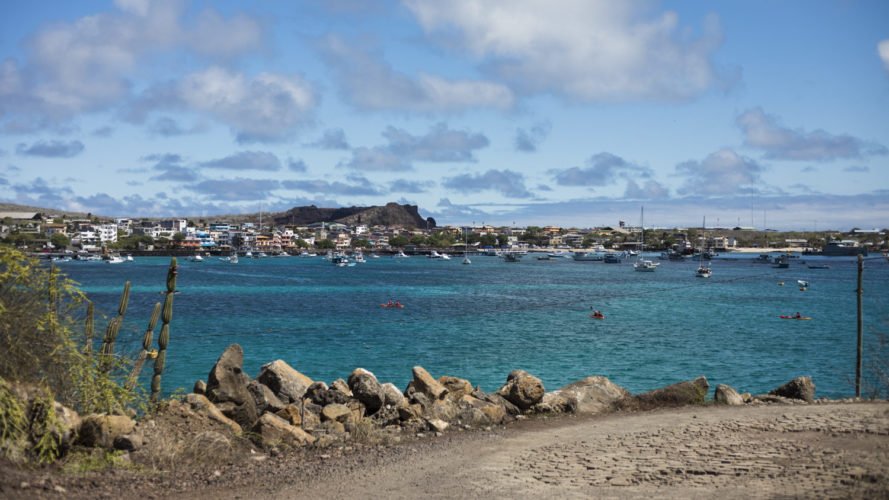
Three Islands, Three Perspectives
One of the biggest advantages of a 6-day land-based trip is experiencing how different the islands actually are.
Although they belong to the same archipelago, each island has its own landscapes, wildlife, atmosphere, and way of life. Visiting multiple islands allows travelers to appreciate just how diverse the Galápagos can be.
Santa Cruz is where many travelers begin to understand that the Galápagos is more than a wildlife destination. One moment you might be walking among giant tortoises in the green highlands, and the next you’re wandering through Puerto Ayora, where fishing boats, local businesses, travelers, and marine iguanas all share the same waterfront. It feels vibrant, active, and deeply connected to everyday island life.
Isabela offers a completely different experience. Life moves more slowly here. The island feels vast and untamed, with volcanic landscapes stretching toward the horizon and long beaches that often seem to go on forever. Whether exploring lava fields, wetlands, or quiet coastal trails, many travelers leave with the feeling that they have experienced one of the wildest corners of the archipelago.
San Cristóbal combines wildlife and community in a way that feels uniquely Galápagos. Sea lions nap on beaches, gather along the waterfront, and often appear in the most unexpected places around town. Mornings and evenings along the malecón reveal a rhythm of life where wildlife and people coexist naturally, creating a strong sense of connection to the island.
Together, these islands reveal that the Galápagos is not a single place, but a collection of distinct environments and communities. Experiencing several islands in one journey allows travelers to appreciate the many different sides of the archipelago and gain a deeper understanding of what makes it so remarkable.
Wildlife Beyond Visitor Sites
Wildlife is often the reason people visit the Galápagos, and one of the advantages of a land-based tour is the variety of opportunities to encounter it throughout the journey.
Of course, you’ll visit renowned wildlife sites where expert naturalist guides help interpret the animals, landscapes, and ecosystems around you. But some of the most memorable encounters happen when you’re not actively looking for them.
You might spot marine iguanas basking along a waterfront path, sea lions sleeping on benches near the harbor, frigatebirds soaring overhead, or pelicans diving for fish while you enjoy lunch by the ocean. These everyday moments offer a different perspective on Galápagos wildlife and often become some of the most memorable parts of the trip.
This is part of what makes land-based travel so special. Wildlife isn’t confined to specific visitor sites or scheduled excursions—it becomes part of the rhythm of daily life in the islands.
Local Restaurants, Hotels, and Communities
For many travelers, some of the most memorable moments happen between excursions.
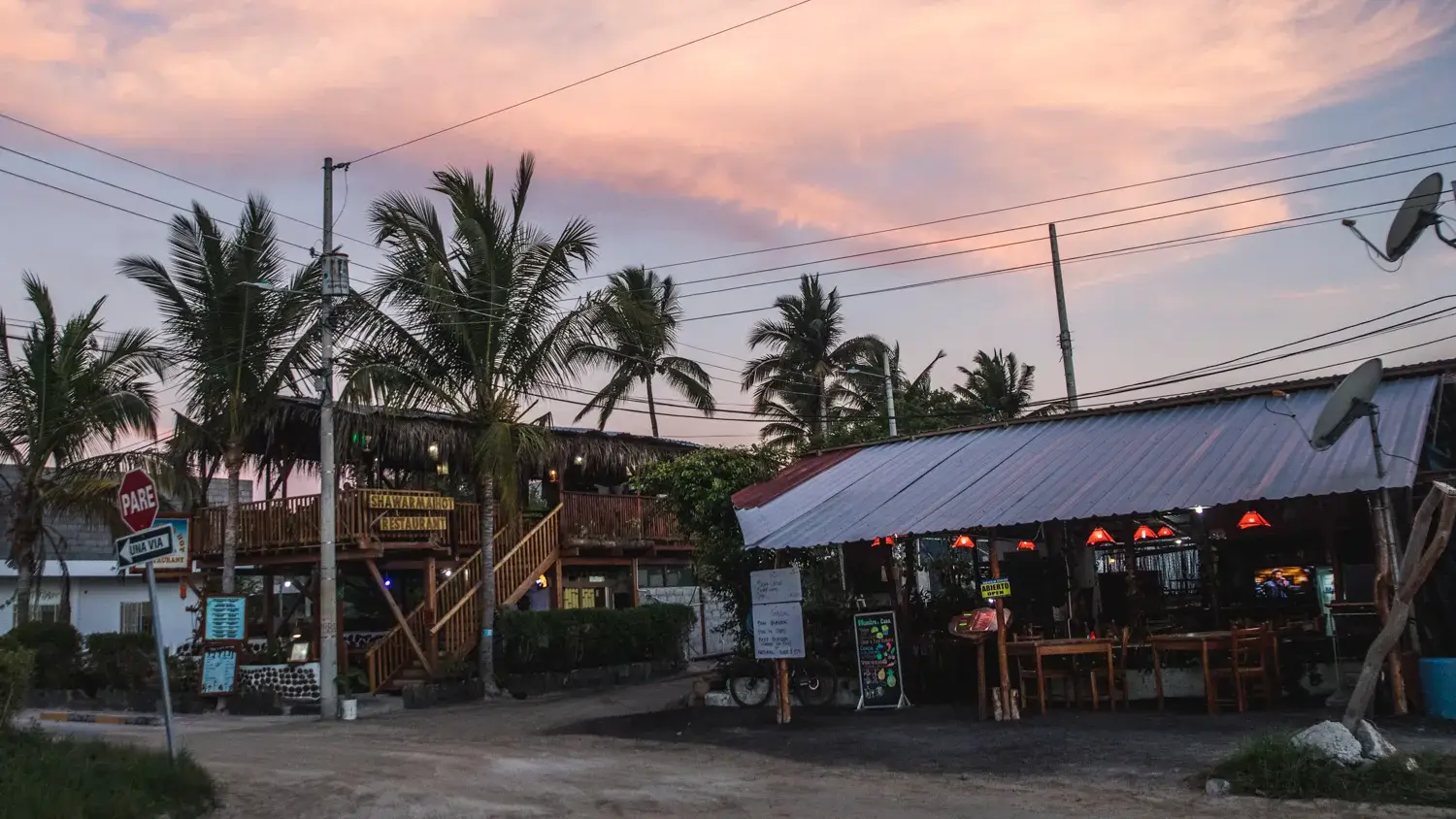
After a day of hiking, snorkeling, or wildlife watching, land-based travel gives you time to experience the towns where island life unfolds. You might enjoy fresh seafood at a locally owned restaurant, stay in a family-run hotel, or walk through the waterfront as residents, guides, fishermen, and travelers share the same spaces.
Behind every excursion is a network of local people who help bring a Galápagos journey to life—guides, boat crews, hotel staff, restaurant owners, drivers, and conservation professionals who live and work on the islands year-round.
At Galakiwi, we have spent years building relationships with local partners throughout the islands. These connections help create experiences that feel personal and genuine while supporting the people who make life in the Galápagos possible.
Travel becomes more meaningful when visitors experience both the natural and human sides of the archipelago.
Active Exploration Every Day
One of the reasons many travelers enjoy a land-based Galápagos tour is the opportunity to experience the islands actively rather than simply observing them from afar.
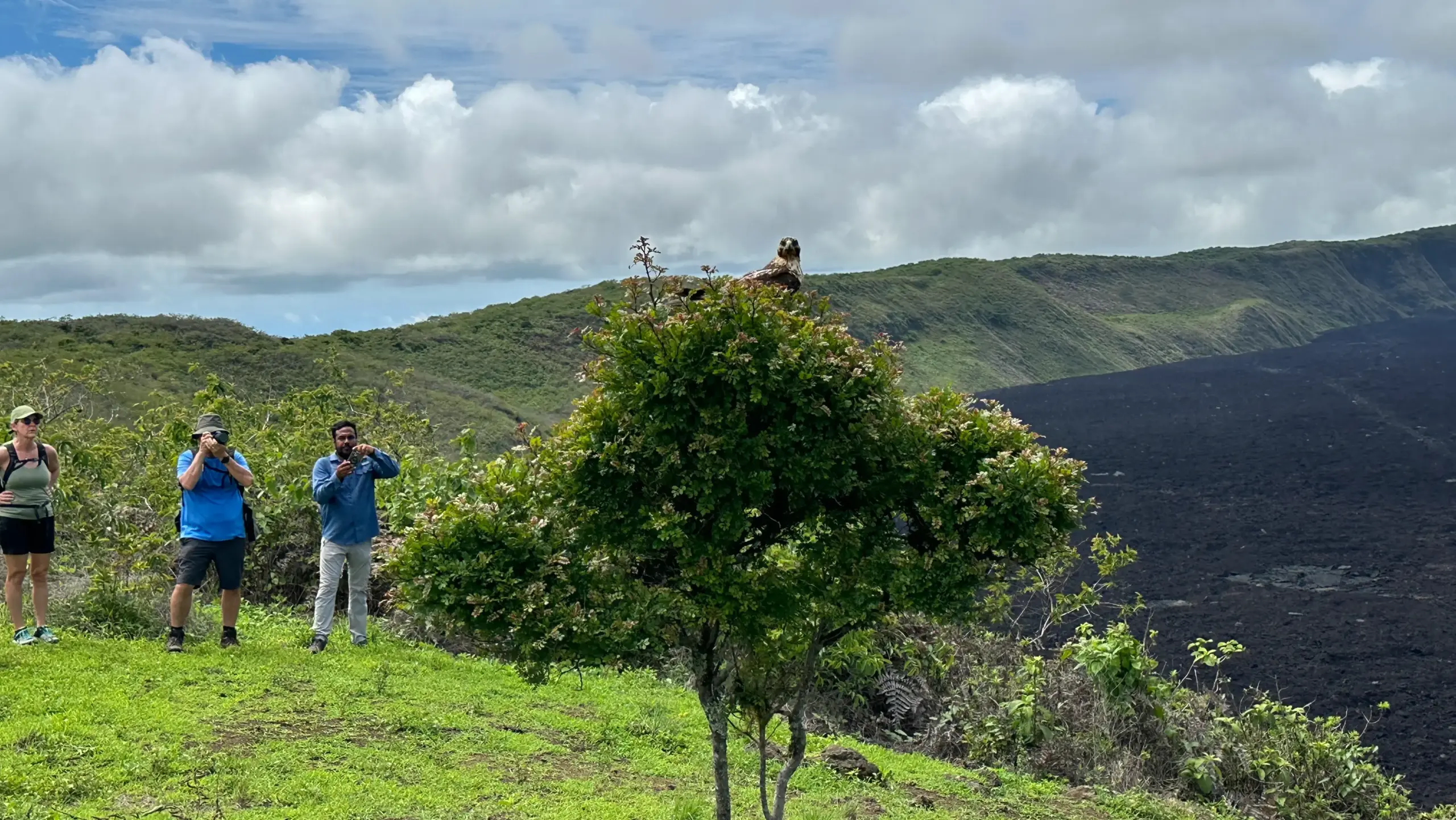
Whether exploring a coastal trail, snorkeling in clear waters, kayaking along the shoreline, or walking through giant tortoise habitat, being physically present in these environments creates a stronger connection to the places you’re visiting. You notice more details, spend more time immersed in the landscape, and gain a deeper appreciation for the ecosystems that make the Galápagos so unique.
At the same time, active travel in the Galápagos is not about rushing from one activity to the next. The pace allows for moments of observation, learning, and reflection along the way. A wildlife encounter, a scenic viewpoint, or a conversation with a guide often becomes just as memorable as the activity itself.
This balance between exploration and immersion is one of the reasons a 6-day land-based trip can feel so rewarding. Six days provides enough time to experience the diversity of the islands while still allowing for meaningful connections with the places you visit. Each day brings new experiences while still allowing travelers time to connect with the islands at a meaningful pace.
Is Land-Based Travel Right for You?
Land-based travel tends to appeal to travelers who enjoy:
- Active experiences such as hiking, biking, kayaking, and snorkeling
- Exploring multiple islands during one trip
- Learning about wildlife, conservation, and ecosystems
- Experiencing local culture and community life
- Having flexibility and free time built into their itinerary
- Traveling in smaller groups
For many travelers, the appeal of a land-based journey comes from the balance it offers. Days are filled with wildlife encounters, outdoor activities, and exploration, while evenings provide time to enjoy island towns, local restaurants, and the atmosphere of the communities that call the Galápagos home.
Ultimately, the best Galápagos trip is the one that matches your interests and travel style. For those looking to combine wildlife, adventure, local culture, and active exploration, a 6-day land-based tour can be an incredibly rewarding way to experience the islands.
Why It Works
What many travelers remember most about the Galápagos isn’t a single wildlife encounter or visitor site. It’s the feeling of being immersed in the islands.
It’s waking up to the sound of the ocean in a small island town, watching sea lions along the waterfront after a day of exploration, and spending enough time in a place to notice its rhythms beyond the highlights.
A 6-day land-based tour creates space for those experiences. Along the way, travelers encounter incredible wildlife, explore volcanic landscapes, and experience the character of three very different islands.
Six days may not seem like a long time, but in the Galápagos, it can be enough to walk among giant tortoises, snorkel alongside marine wildlife, explore volcanic landscapes, and experience the rhythm of life on three very different islands.
More importantly, it offers the chance to see the Galápagos not only as a visitor, but as a place where nature, community, and everyday life exist side by side.
If you’re curious about experiencing the Galápagos through active, community-focused, land-based travel, explore our tours or browse more of our blog for local insights, wildlife stories, and travel inspiration from the islands.
| |