
June 15, 2026
El Niño in the Galapagos Islands – Everything You Need to Know
If you’re planning a trip to the Galápagos Islands, you may have come across the term El Niño and wondered what it means for your visit.
El Niño is a natural climate pattern that periodically warms ocean temperatures across the Pacific Ocean, influencing weather and marine ecosystems throughout the region, including the Galápagos. While it can affect wildlife behavior, ocean conditions, and rainfall patterns, it is not an unusual event. In fact, El Niño has been shaping life in the islands for thousands of years and remains part of the natural cycles that influence this unique ecosystem.
As a protected National Park, the Galápagos is a place where natural processes are allowed to unfold with minimal human intervention. Wildlife and ecosystems have evolved alongside these climatic changes, making El Niño an important part of the islands’ natural story.
Understanding how El Niño works can help travelers better appreciate the dynamic environment that makes the Galápagos unlike anywhere else on Earth.
What Is El Niño?
El Niño is part of a natural climate cycle known as ENSO, or the El Niño–Southern Oscillation. This cycle includes both warmer ocean phases, known as El Niño, and cooler phases, known as La Niña.
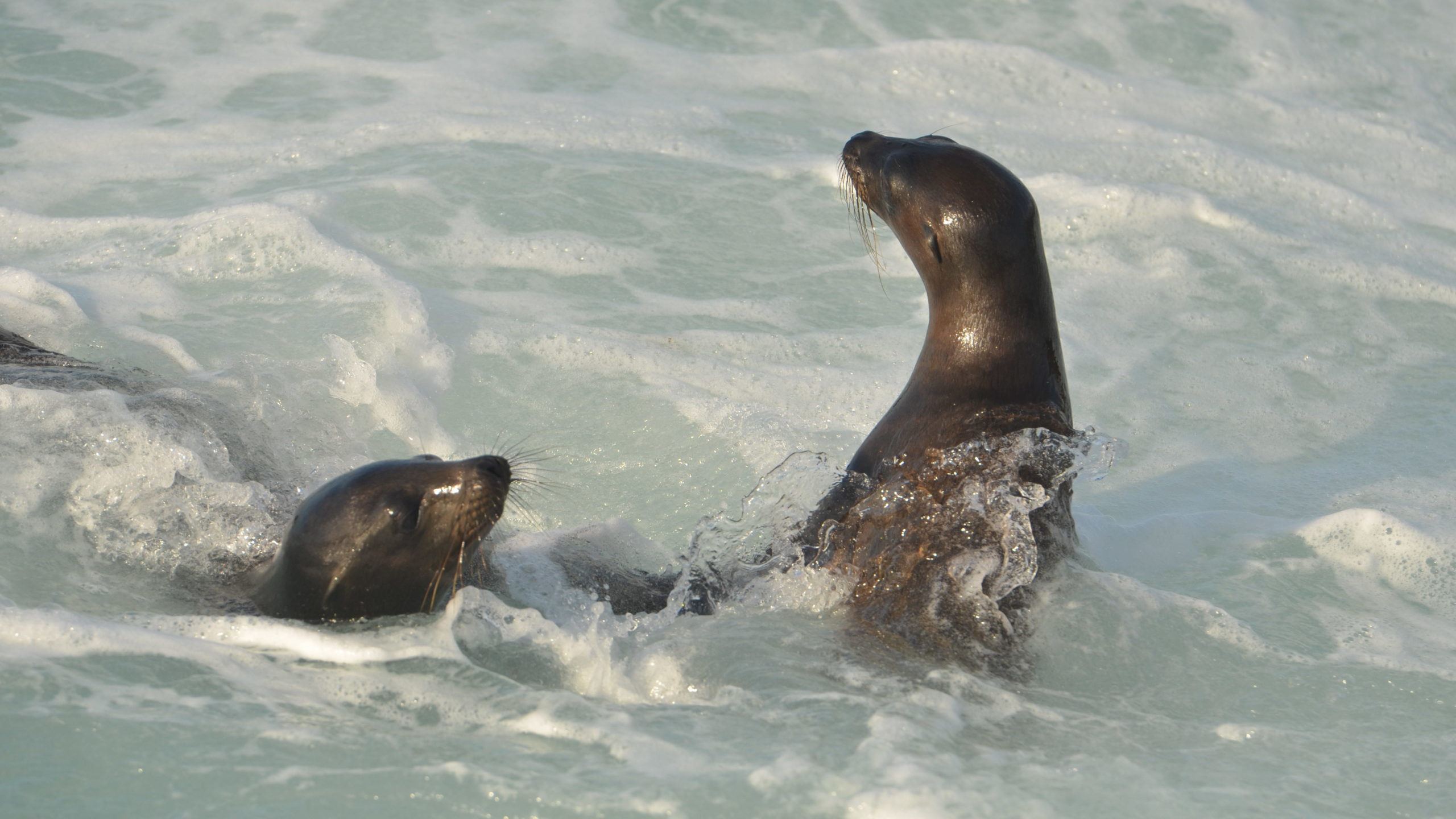
In the Galápagos, these changes are especially important because the islands are shaped by the meeting of major ocean currents. Under normal conditions, the cold Humboldt Current brings nutrient-rich water into the region, supporting fish, plankton, seabirds, marine iguanas, sea lions, and many other species.
During an El Niño event, warmer ocean currents temporarily become stronger around the Galápagos. This reduces the flow of cold, nutrient-rich water that much of the marine ecosystem depends on. As a result, wildlife behavior, food availability, rainfall, and ocean conditions can all shift for a period of time.
Most El Niño events are mild and short-lived, often lasting around 9 to 12 months. Stronger events can happen, but they are less common. Importantly, El Niño does not “break” the Galápagos ecosystem. It temporarily reshapes conditions, and over time cooler waters usually return, often through La Niña, allowing marine life to recover and rebalance.
Why Does El Niño Matter in the Galápagos?
The main effects of El Niño are felt in the ocean.
As ocean temperatures become warmer, the nutrient-rich waters that normally support the Galápagos marine ecosystem become less abundant. These nutrients are the foundation of the food chain, helping support plankton, algae, fish, and many other forms of marine life.
When nutrient levels decrease, the effects can ripple throughout the ecosystem. Food may become harder to find for some species, migration patterns can shift, and breeding activity may temporarily change as wildlife adapts to new conditions.
Because the Galápagos is so closely connected to the surrounding ocean, even relatively small changes in water temperature can influence the balance of marine life across the islands.
While these changes are a natural part of the El Niño cycle, they provide an important reminder of how interconnected the Galápagos ecosystem is, from microscopic organisms in the water to the wildlife visitors come to see.
Species That Are More Sensitive to El Niño
While many species in the Galápagos have adapted to natural climate cycles, some are more sensitive to El Niño than others.
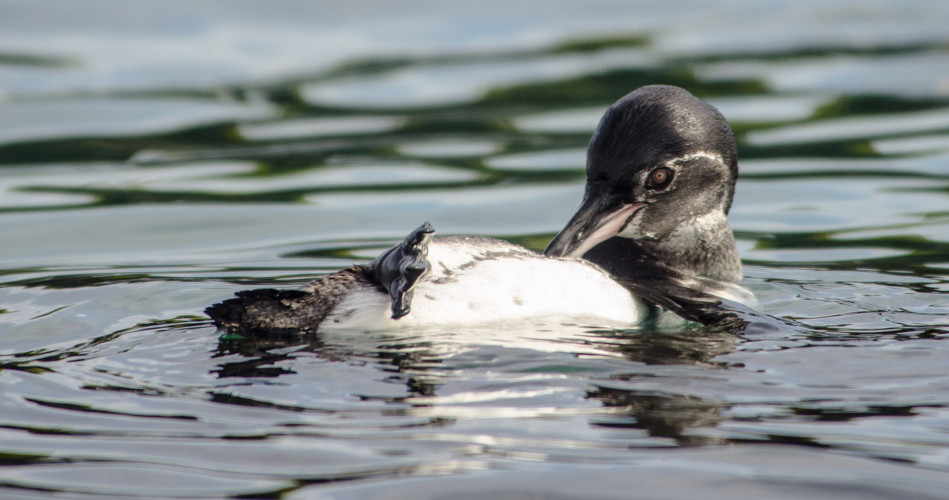
The Galápagos penguin is one example. Because penguins depend on cold, nutrient-rich waters, warmer ocean conditions can make food harder to find. During El Niño periods, they may move to different areas in search of better feeding opportunities and are not always seen in their usual locations.
The flightless cormorant can also be affected. Found primarily around Fernandina and western Isabela, this unique bird has a limited range and relies on nearby marine resources. When food becomes scarce, it has fewer options than many other species.
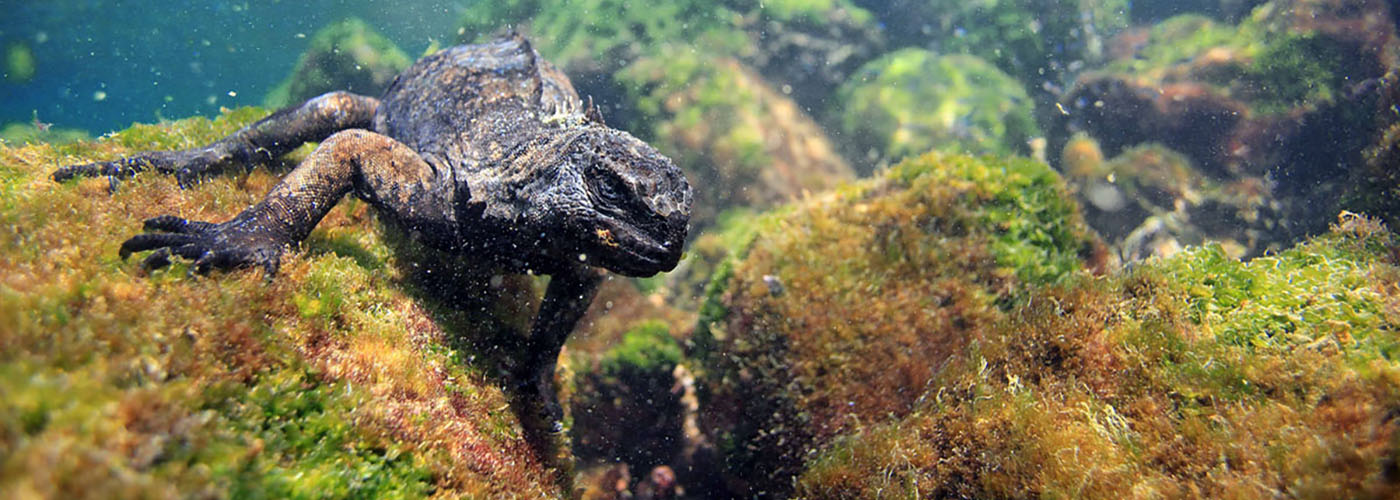
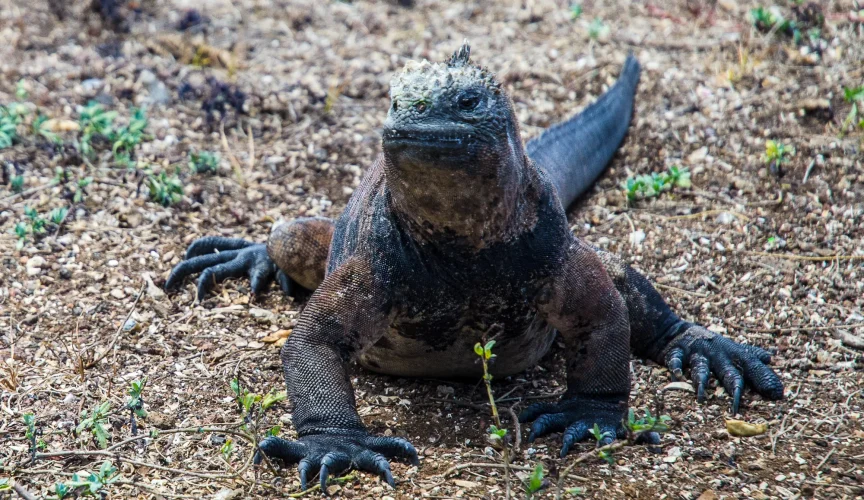
Marine iguanas are another well-known example. Their main food source is algae, which becomes less abundant in warmer waters. During strong El Niño events, populations can decline significantly. However, marine iguanas have demonstrated remarkable resilience. Scientists have observed that during periods of food scarcity, they can temporarily shrink in size, even reducing bone mass, and later recover when conditions improve.
These species help illustrate how changes in ocean temperatures can influence wildlife across the islands. At the same time, they are part of ecosystems that have evolved alongside El Niño for thousands of years, adapting and recovering as conditions change.
The Good News about El Niño in the Galapagos
While El Niño can create challenges for some marine species, it often brings benefits to life on land.
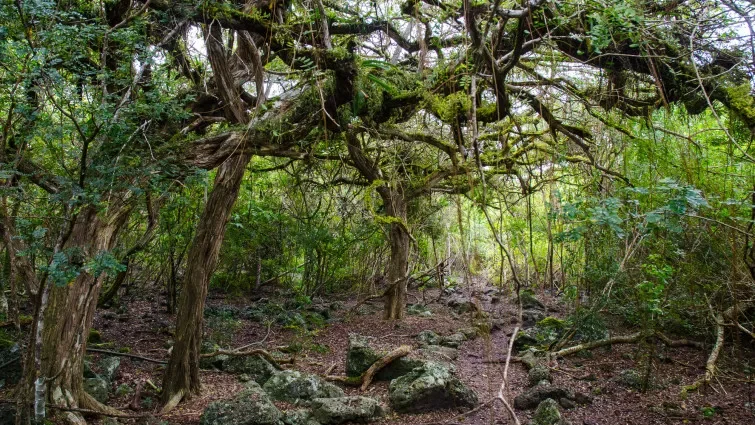
One of the most noticeable changes is the increase in rainfall. During El Niño years, the highlands of the Galápagos often become greener and more lush, with vegetation growing more abundantly than usual. Grasses, shrubs, and native plants flourish, creating favorable conditions for many terrestrial species.
For giant tortoises, this can be especially beneficial. Increased vegetation provides more food, and the greener landscapes can support healthy feeding conditions across the highlands. Other land birds and wildlife may also benefit from the greater availability of food and water.
Visitors traveling during an El Niño period are sometimes surprised by how green parts of the islands can appear compared to drier years. The highlands often look dramatically different, offering a side of the Galápagos that many travelers don’t expect.
This contrast highlights an important part of understanding El Niño in the Galápagos. While some marine species face more challenging conditions, life on land often experiences a period of growth and abundance. Rather than affecting every part of the ecosystem in the same way, El Niño shifts the balance, creating both challenges and opportunities across the islands.
Will You Still See Wildlife During El Niño?
Yes, absolutely.
One common concern during Galápagos travel is whether an El Niño event means fewer animals or a less rewarding experience. In reality, wildlife remains abundant across the islands.
You may notice:
- Slightly fewer individuals of certain species
- Changes in where animals are located
- Different behaviors, especially related to feeding
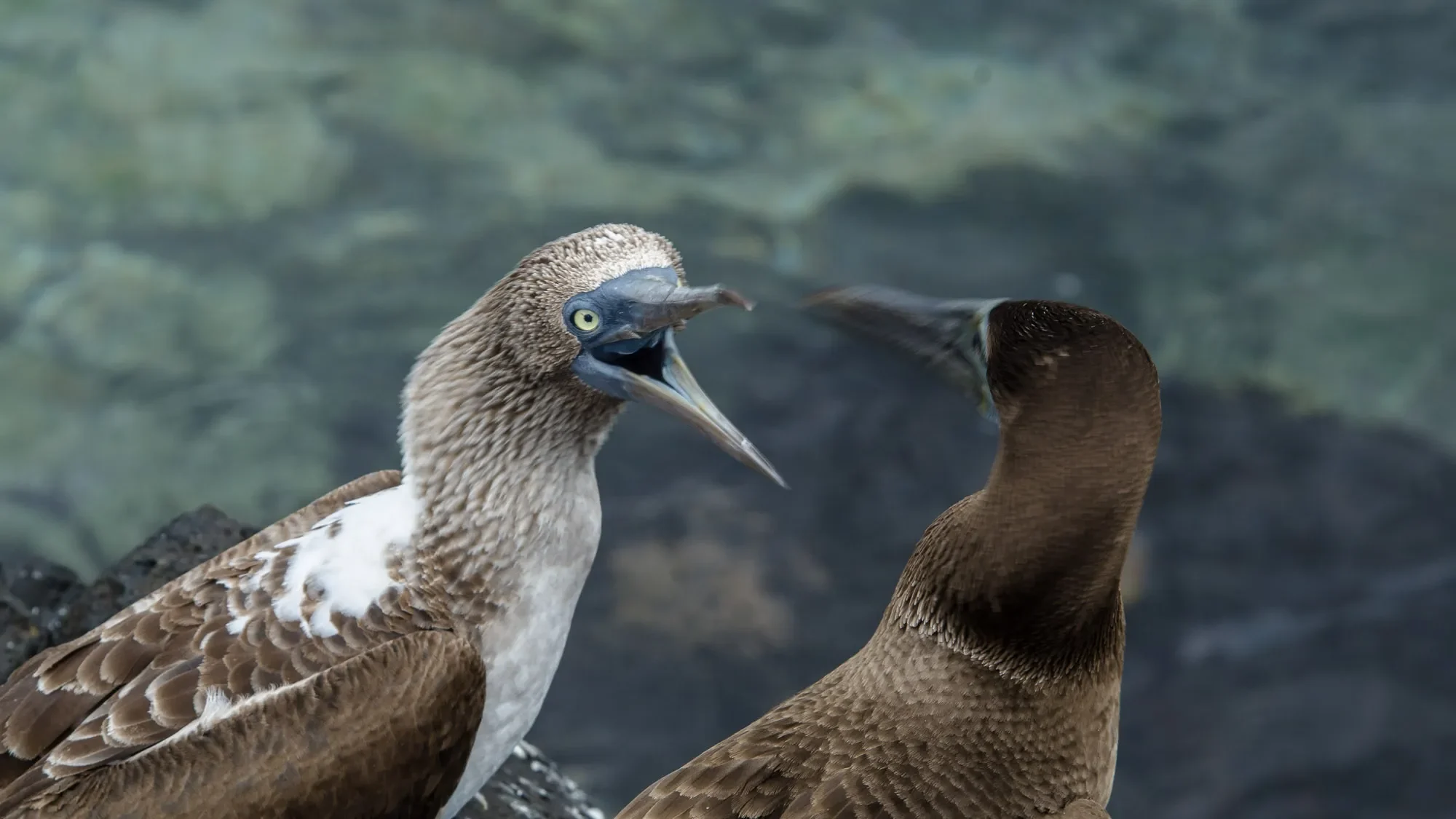
But encounters with sea lions, turtles, birds, and marine life are still very much part of the experience. Snorkeling, hiking, and exploring continue to be just as meaningful.
What Does El Niño Mean for Travelers?
For travelers, the effects of El Niño are usually far less dramatic than they may sound.
You may notice warmer ocean temperatures, increased humidity, occasional rain showers, and greener landscapes in some parts of the islands. Wildlife activity can also vary, with certain species becoming more or less visible depending on how they respond to changing ocean conditions.
However, the Galápagos remains an extraordinary destination to visit during El Niño years. Visitor sites stay open, tours continue to operate, and travelers still have opportunities to experience the incredible wildlife and landscapes that make the islands famous.
One of the remarkable things about the Galápagos is that it is constantly changing. Ocean conditions, wildlife behavior, weather patterns, and seasonal cycles all influence what visitors experience throughout the year. El Niño is simply one of the natural forces that shapes those changes.
Experienced local operators are accustomed to these variations and can adapt activities and logistics when needed. In many ways, visiting during an El Niño period offers a chance to see a different side of the islands, from greener highlands to the unique ways wildlife responds to changing environmental conditions. Rather than being a reason to postpone your Galápagos trip, El Niño is an opportunity to experience the Galápagos as it has always been: a dynamic and ever-evolving ecosystem shaped by the forces of nature.
A Brief History of El Niño in the Galápagos
El Niño is not new to the Galápagos. These natural climate cycles have shaped the islands for centuries, long before modern Galápagos travel or conservation programs existed.
Two of the strongest recorded events occurred in 1982–1983 and 1997–1998, when warmer ocean temperatures significantly affected marine ecosystems and caused noticeable changes in some wildlife populations.
But not every El Niño event has the same impact. Some are strong, while others are much milder. What history shows most clearly is that the Galápagos is resilient. Populations may fluctuate, breeding patterns may shift, and food availability may change for a time, but the ecosystem has an extraordinary ability to recover and rebalance.
For travelers, this history offers perspective: El Niño is part of the natural story of the islands, not a reason to avoid experiencing them.
What Is La Niña?
La Niña is the opposite phase of El Niño within the El Niño–Southern Oscillation (ENSO) cycle.
While El Niño brings warmer ocean temperatures to the Galápagos, La Niña strengthens the cold, nutrient-rich currents that support the Galápagos Islands marine ecosystem. These cooler conditions generally increase ocean productivity, providing more food for fish and the wildlife that depends on them.
On land, conditions tend to be drier than during El Niño years, often resulting in less vegetation growth in some areas.
Like El Niño, La Niña is a natural part of the Galápagos climate system. Together, these cycles help shape the constantly changing balance between ocean and land that makes the islands such a unique place.
What to Pack
Packing doesn’t change significantly, but a few items become more useful. A light rain jacket or poncho can help during occasional showers, while sun protection remains essential due to the equatorial sun. For land visits, lightweight long sleeves and insect repellent can add comfort, especially in more humid conditions.
As part of your Galakiwi pre-trip preparation, you will receive detailed guidance on what to pack before your journey.
A Living, Changing Ecosystem
El Niño is part of what makes the Galápagos so unique. It’s a reminder that this is not a static destination but a living ecosystem shaped by powerful natural forces.
For travelers, this adds depth to the experience. You’re not just observing wildlife, you’re witnessing nature in motion.
Whether you’re snorkeling alongside sea lions or walking across volcanic landscapes, your Galápagos tour remains rich, meaningful, and deeply connected to the rhythms of the natural world.
If you’re thinking about planning your Galápagos trip, we’re here to help you navigate it with local insight, thoughtful planning, and experiences that adapt to the islands as they are: real, dynamic, and unforgettable. Let’s talk about your ideal Galápagos experience, or explore our tours to start planning your journey.
| |