
June 11, 2026
Food in the Galápagos: The Journey from Ocean to Table
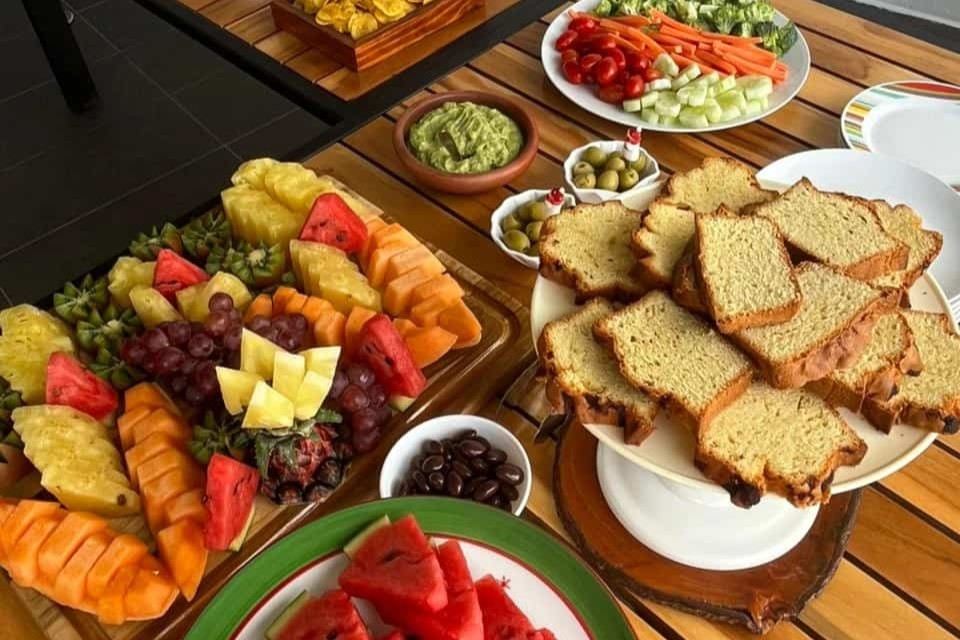
Sitting down to a meal in the Galápagos Islands often means enjoying fresh seafood, local ingredients, and restaurants filled with the sounds of everyday island life. You might find a plate of grilled fish overlooking the waterfront, a family-run restaurant serving Ecuadorian specialties, or ceviche prepared with ingredients sourced just hours earlier.
But in the Galápagos, a simple plate of seafood tells a much bigger story.
Every meal is connected to the realities of life in a remote archipelago. Ingredients travel long distances to reach the islands, fishing activities are carefully regulated to protect marine ecosystems, and local restaurants work closely with fishermen, farmers, and suppliers to keep their kitchens running. Behind every dish is a network of people whose livelihoods are closely tied to both the community and the environment.
Food here is about much more than what ends up on the plate. It reflects the balance between conservation and daily life, the challenges of living on isolated islands, and the creativity of local businesses that make the most of what is available.
At Galakiwi, we believe food is an important part of understanding the Galapagos. That’s why we work with locally owned restaurants that showcase not only the flavors of the Galápagos, but also the stories, traditions, and people behind them.
In this blog, we’ll follow the journey from ocean to table and explore how food connects visitors to the communities, culture, and everyday life of the Galápagos Islands.
Why Food Works Differently in the Galápagos
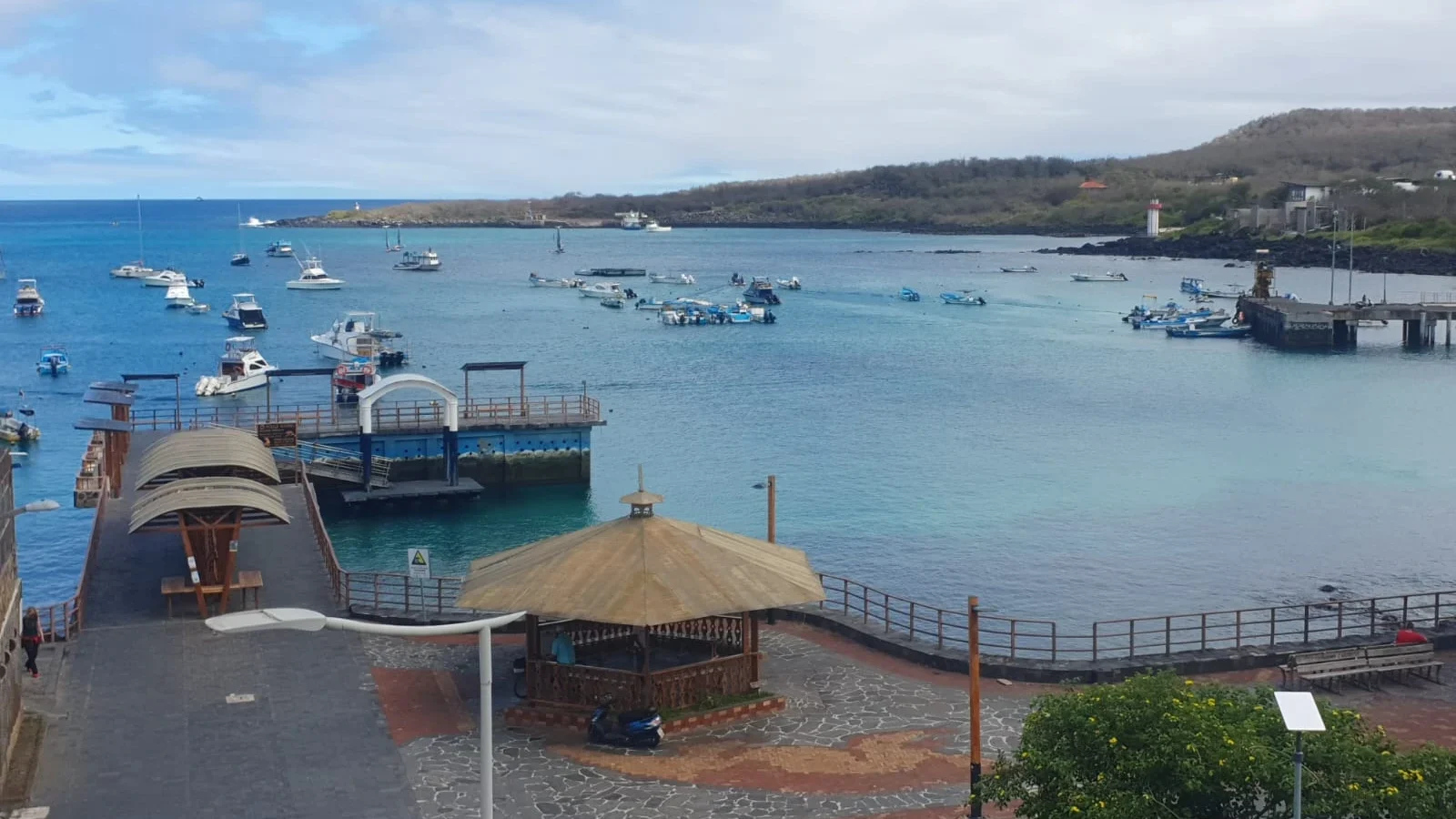
The Galápagos Islands are one of the most remote inhabited archipelagos in the world, and that isolation shapes daily life in many ways, especially when it comes to food. Because the islands are part of a protected national park and marine reserve, strict regulations help control what can enter the islands and how local resources are managed.
For restaurant owners and food businesses, this means planning around a very different reality than on the mainland. Many ingredients arrive from mainland Ecuador through scheduled cargo shipments, and availability can change from week to week. A restaurant may have to adjust its menu if certain vegetables do not arrive on time, if fresh herbs are limited, or if a supplier only has part of what was expected.
Menus also shift with the seasons. Lobster is a good example. During the legally designated lobster fishing season, many restaurants are able to serve fresh local lobster and often feature it as a specialty. Once the season ends, however, lobster is no longer available, and menus naturally shift toward other seafood options that can be sourced responsibly and in accordance with local regulations. These seasonal changes are a normal part of dining in the Galápagos, where food availability is closely tied to conservation measures and the natural rhythms of the marine environment.
Despite these challenges, local providers and restaurants do an impressive job creating thoughtful, flavorful meals for visitors. Many are family-run businesses, with recipes passed down through generations or adapted over time using the ingredients available on the islands.
That flexibility gives dining in the Galápagos a personal, local feeling. Meals are not only about flavor but also about the people, effort, and island realities behind each plate.
From Ocean to Table
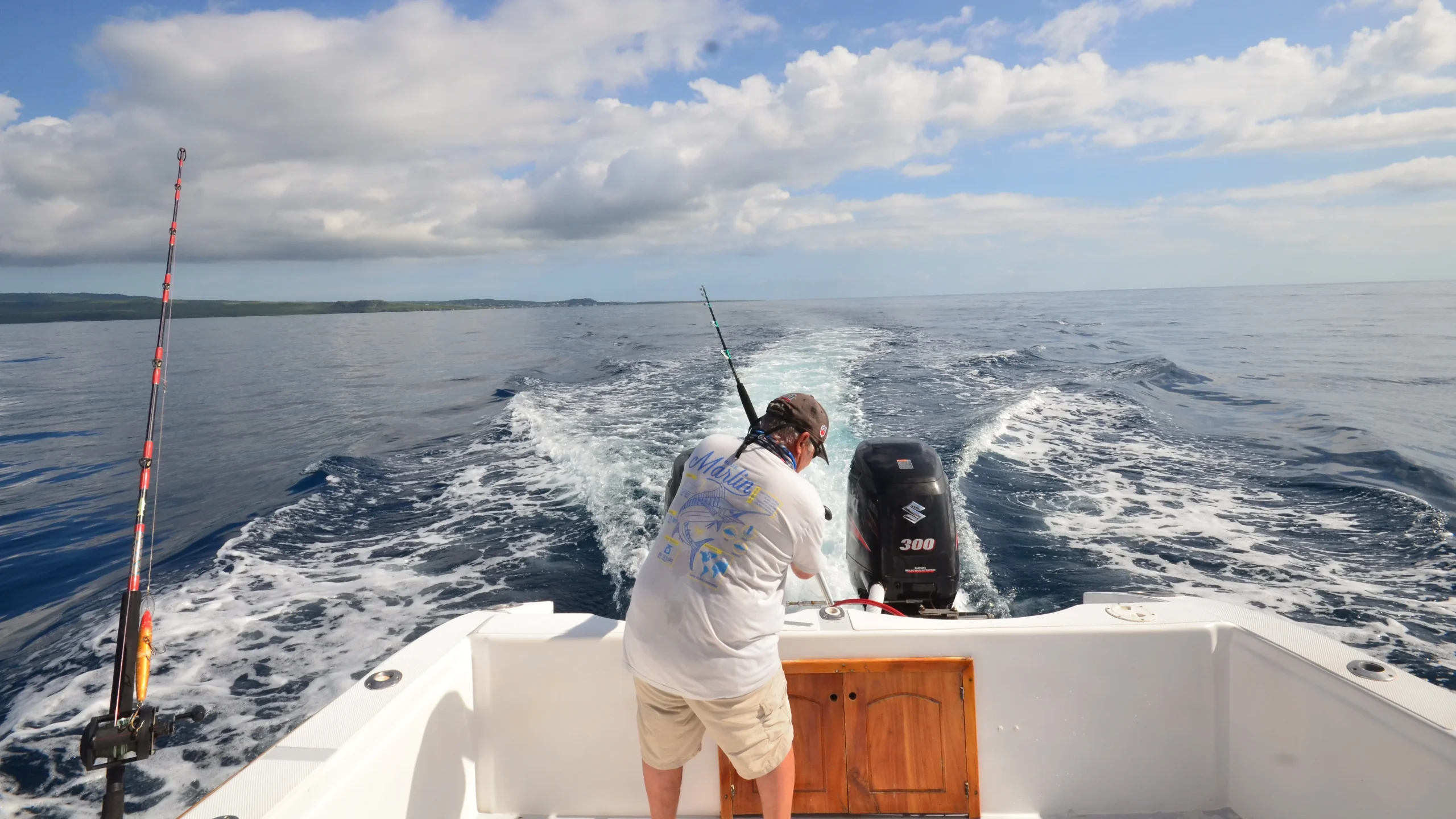
Seafood is one of the main ingredients in the local cuisine of the Galápagos Islands. Fishing in the islands is carefully regulated to help protect fragile marine ecosystems, with local fishermen working within guidelines established by the Galápagos National Park Directorate. Fishing calendars, protected zones, and restrictions on industrial fishing methods all help maintain balance within the marine reserve. Nets, for example, are prohibited to reduce environmental impact and protect marine life.
This means that the seafood served in local restaurants often comes from small-scale artisanal fishing rather than large industrial operations. In coastal towns, it’s common to see fishermen returning with their catch while nearby restaurants prepare fresh fish dishes for the day’s service.
Many kitchens keep preparations simple, allowing the freshness of ingredients to stand out. Grilled fish, ceviche, and traditional Ecuadorian seafood dishes are often less about heavy processing and more about highlighting the natural flavors of the islands.
Feeding an Island: Farms, Imports and Creativity
While seafood is one of the most recognizable ingredients in the Galápagos, it is only one part of a much larger food system.
Providing food for a remote island population requires a careful balance between local production and mainland imports. Because 97% of the Galápagos landmass is protected national park, only a small portion of the islands is available for towns, infrastructure, and agriculture. This means many products, including dairy items, dry goods, and some fruits and vegetables, arrive mostly from mainland Ecuador under strict biosecurity regulations designed to protect the islands’ unique ecosystems.
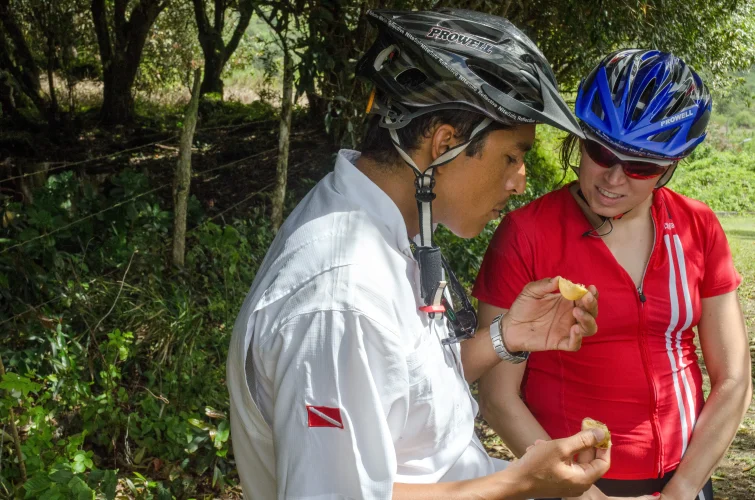
At the same time, local agriculture plays an important role in supplying the community. In the humid highlands of islands such as Santa Cruz and San Cristóbal, small farms produce coffee, fruits, vegetables, and other crops that find their way into local homes, markets, and restaurant kitchens. These farming areas offer a side of the Galápagos that many visitors don’t expect to find, where lush green landscapes replace coastal scenery and agriculture becomes an important part of everyday island life.
Many local restaurants work with a combination of imported and locally grown ingredients, adapting their menus based on availability and seasonality. Fresh produce harvested in the highlands may appear alongside seafood caught by local fishermen, creating meals that reflect both the natural resources of the islands and the ingenuity of the people who live here.
In many ways, this balance is what makes dining in the Galápagos unique. Every meal is shaped by geography, conservation, local agriculture, and the creativity required to live on one of the world’s most remote inhabited archipelagos.
The People Behind the Menus
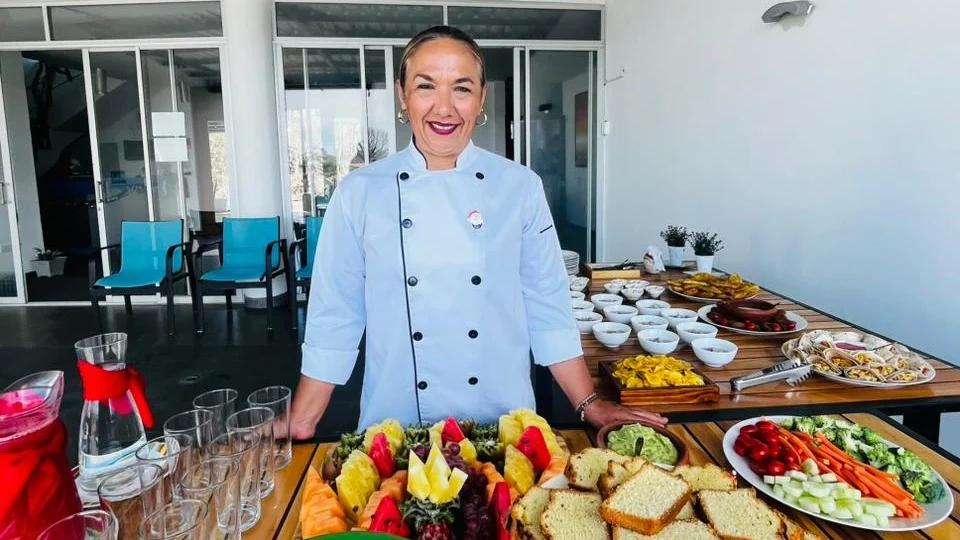
Behind every restaurant in the Galápagos is a story of adaptation, resilience, and local entrepreneurship.
Running a restaurant on remote islands comes with unique challenges. Owners must navigate changing ingredient availability, seasonal products, shipping schedules, and the realities of operating in a protected environment. Menus often evolve based on what can be sourced responsibly and what ingredients are available at any given time.
Many restaurants are family-run businesses that have grown alongside tourism in the islands. Some are built around recipes passed down through generations, while others have developed new culinary approaches that blend local ingredients with influences from mainland Ecuador and beyond.
For visitors, these details may not always be visible at first. But understanding the people behind the menus adds another layer to the dining experience. Each meal reflects the effort, creativity, and dedication of individuals who have built businesses and livelihoods within the unique realities of island life.
The local businesses we work with offer a glimpse into what it takes to create memorable dining experiences in the Galápagos. Through their food, stories, and hospitality, they help travelers experience a side of the islands that extends far beyond the visitor sites and wildlife encounters.
Let’s take a closer look at some of the local restaurants and the people behind them.
The Beach Restaurant – Isabela Island
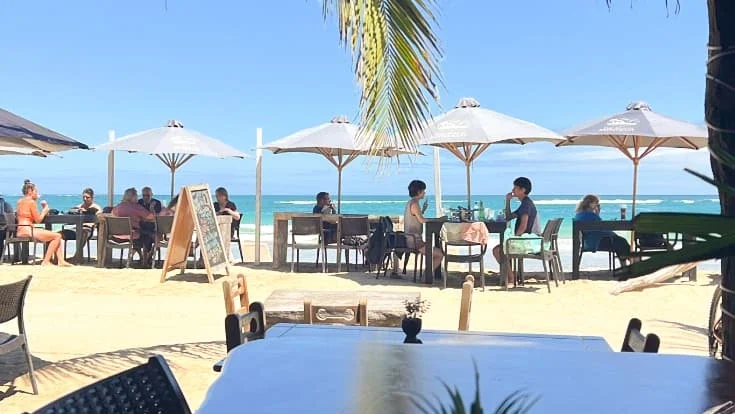
Located directly on the beachfront of Isabela Island, The Beach Restaurant offers one of those dining experiences that feels inseparable from its surroundings. With the ocean just steps away and views stretching across the bay, it’s a place where guests can enjoy fresh local flavors while taking in the slower pace of island life.
The restaurant was established in 2019 with a vision of creating a space that blends naturally with the beauty of the Galápagos. Built using local materials and designed to complement the surrounding environment, it reflects both the character of Isabela Island and the people who call it home.
Whether stopping by for lunch after exploring the island, enjoying dinner by the water, or watching the sunset over the bay, visitors find that the atmosphere is as memorable as the food. The combination of ocean views, local cuisine, and island charm creates an experience that feels distinctly Isabela.
Like many businesses in the Galápagos, The Beach Restaurant is committed to welcoming visitors while respecting the unique environment that makes the islands special. Their approach reflects a belief that tourism should support both local communities and the natural spaces that inspire travelers to visit.
Travelers can find The Beach Restaurant along the waterfront on Isabela Island, making it an ideal place to enjoy a meal while experiencing the relaxed atmosphere that makes this island so special.
Restaurante Shawarma Hot – Isabela Island
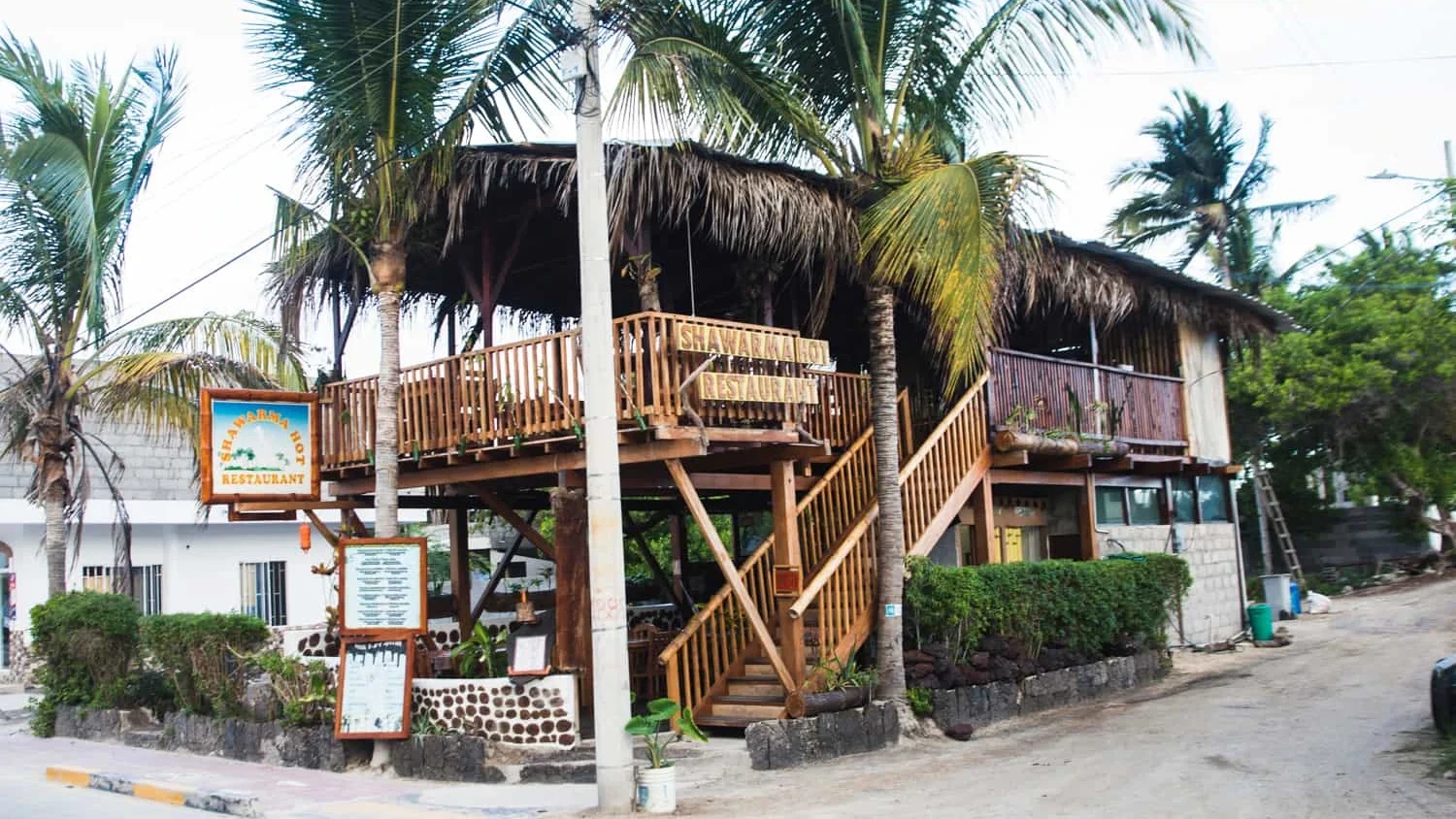
Since 2013, Restaurante Shawarma Hot has been serving both travelers and locals on Isabela Island. What began as a unique idea to introduce shawarma to the Galápagos has grown into a popular restaurant known for its variety of flavors and welcoming atmosphere.
For the owner, who was born and raised in the Galápagos, opening the restaurant was an opportunity to offer something different while creating a space where visitors could enjoy good food after a day of exploring the island. Over the years, the menu has evolved alongside the needs and interests of travelers, expanding beyond its original shawarma concept to include traditional Ecuadorian dishes, fresh seafood, grilled meats, and vegetarian options.
Today, guests can enjoy everything from fresh ceviche and grilled fish to Ecuadorian favorites such as llapingachos, offering a chance to experience a wider range of local flavors while visiting the islands. Many ingredients are sourced locally whenever possible, helping create meals that feel connected to the region while maintaining the fresh, homemade quality that has become part of the restaurant’s identity.
Like many small businesses in the Galápagos, the restaurant has adapted over time to changing visitor preferences, economic challenges, and the realities of operating in a remote island destination.
For Galakiwi, this is one of the restaurants we enjoy sharing with our guests because it offers more than just a meal. It provides an opportunity to sample a variety of Ecuadorian flavors, support a locally owned business, and experience a restaurant that has become part of the island’s community over the past decade.
Travelers can find Restaurante Shawarma Hot just one block from the beach on Isabela Island, on the corner of Scalesia Street.
Giuseppe’s Restaurant – San Cristóbal Island
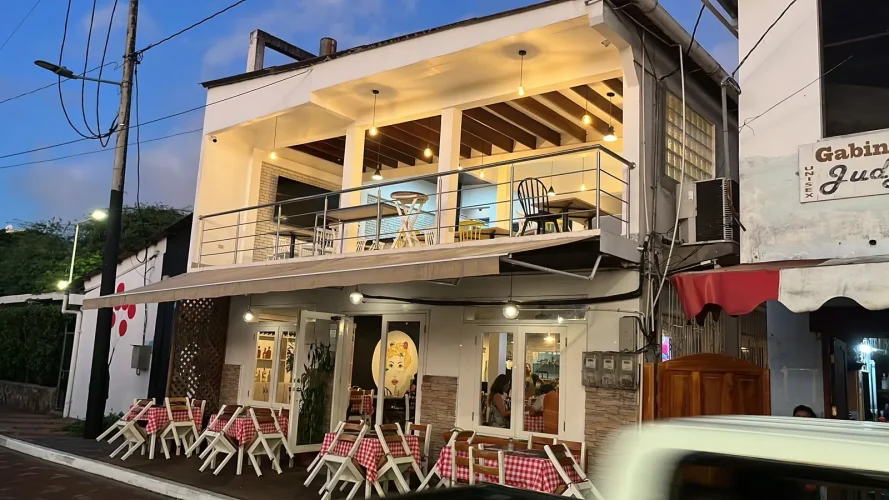
For Giuseppe and his family, opening a restaurant in the Galápagos was about more than serving food. It was about creating a place where people could come together, enjoy a good meal, and feel welcome.
Founded in 2016 as a family project on San Cristóbal Island, Giuseppe’s began with a simple goal: to build a restaurant known for both its food and hospitality. Over the years, it has become a favorite gathering place for travelers and residents alike, combining family traditions with the flavors of island life.
The restaurant’s menu blends Italian and American influences with fresh ingredients sourced from the Galápagos. Seafood plays an important role, reflecting the restaurant’s sea-to-table philosophy and the connection between local waters and local cuisine.
One of the dishes guests remember most is the pizza, prepared daily using a family recipe passed down from Giuseppe’s Italian grandmother. It is a small detail, but one that reflects the family spirit that continues to shape the restaurant today.
The dining experience is just as important as the food itself. Whether stopping in after a day of exploring San Cristóbal, sharing seafood with friends, or enjoying a meal overlooking the town, guests often find themselves staying longer than planned, drawn in by the relaxed atmosphere and warm hospitality.
For Giuseppe and his family, the Galápagos is more than a place to do business. It is home. Through their restaurant, they share a combination of family tradition, local ingredients, and the welcoming spirit that has helped make them part of the island community.
Av. Charles Darwin & Manuel J. Cobos, Puerto Baquerizo Moreno, San Cristóbal Island
A Taste of Island Life
If you’re exploring the Galápagos, eating at locally owned restaurants adds another layer to the journey. Beyond the food itself, these places offer stories, connections, and a closer look at everyday life in the islands.
On Galakiwi land-based tours, travelers have the flexibility to discover these local spaces naturally, whether after a beach walk in Isabela or while exploring the towns and waterfronts that make each island feel distinct.
Explore our land-based Galápagos tours, or visit our blog for more local insights, travel tips, and stories from the islands.
| |