
September 16, 2026
Can You Stay in the Galápagos Islands?

Yes, you can stay overnight in the Galápagos Islands. In fact, staying on land is one of the best ways to experience the archipelago beyond its famous visitor sites.
Several of the inhabited islands have hotels and guesthouses where travelers can spend the night, including Santa Cruz, Isabela, San Cristóbal, and Floreana. Instead of returning to a cruise ship after each excursion, land-based travelers return to an island town, where they can enjoy a local restaurant, walk along the waterfront, browse small businesses, or simply relax after a day of exploring.
This creates a different kind of Galápagos experience. You are not only visiting the islands for a few hours at a time. You are staying in them, waking up in them, and experiencing a little of everyday island life between your adventures.
For travelers who want a combination of guided wildlife experiences, active excursions, local connection, and some freedom to explore at their own pace, a land-based Galápagos trip can be an excellent option.
What Are the Rules for Overnight Stays in the Galápagos?
Yes, overnight stays are permitted in the Galápagos. Because much of the archipelago is protected as part of the Galápagos National Park, tourism operates under regulations designed to protect its ecosystems and wildlife.
Travelers can stay in authorized accommodation on the inhabited islands. When visiting protected areas, National Park regulations still apply, including access to designated visitor sites and guide requirements where applicable.
Choosing the right accommodation matters, too. Staying in authorized, locally operated hotels helps ensure that your visit follows local regulations while allowing tourism spending to remain within the island communities.
At Galakiwi, we put thought into where our travelers stay. We look for comfortable, well-located accommodations that allow guests to enjoy the towns while working with locally based businesses whenever possible. For us, where you stay is part of the experience, not simply a place to sleep.
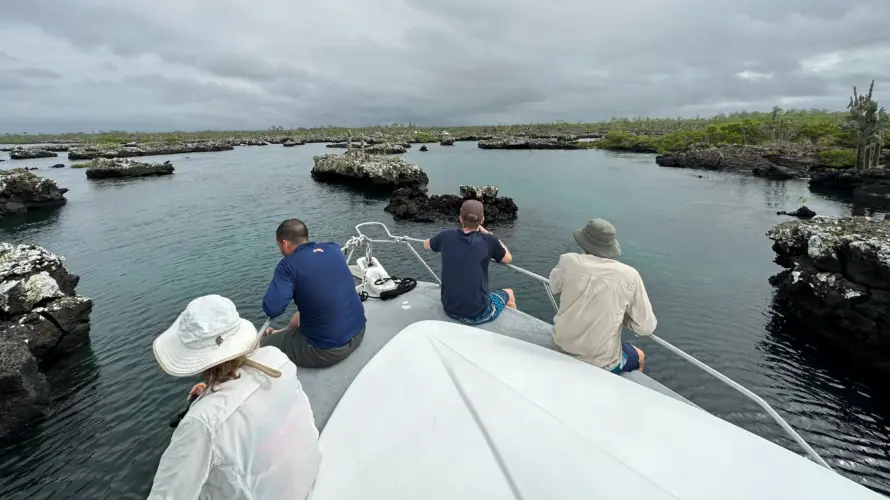
What Types of Galápagos Travel Include Accommodation on the Islands?
There are different ways to experience the Galápagos, but land-based tours are specifically designed around staying on the inhabited islands.
A land-based Galápagos tour combines accommodation in island towns with guided excursions, transportation, and activities.
Depending on the itinerary, your tour may include:
- Accommodation on one or more inhabited islands
- Inter-island transportation
- Airport and land transfers
- Guided excursions
- Certified naturalist guides
- Snorkeling, hiking, kayaking, or other activities
- Meals according to the itinerary
- Local support throughout your trip
Instead of organizing every ferry, flight, hotel, excursion, and transfer yourself, an organized land-based tour can coordinate these pieces into one journey.
This can be particularly helpful in the Galápagos, where transportation schedules, sea conditions, National Park regulations, and activity logistics all need to work together.
What Is It Like to Stay in a Galápagos Town?
This is one of the things that makes land-based travel so different.
Imagine finishing a morning of snorkeling and returning to town in the afternoon. You shower, rest for a while, and then head out for dinner. Along the waterfront, sea lions may be resting near the docks. Local fishermen are bringing in their catch. Restaurants are beginning to fill up, and people are going about their daily routines.
You might stop for a coffee, visit a small local shop, walk along the beach, or simply sit by the water and watch the sunset.
These moments aren’t necessarily part of a traditional excursion, but they become part of your Galápagos experience.
Staying in town also gives you more opportunities to support local restaurants, hotels, shops, and other businesses while getting a better sense of the communities behind the destination.
And the experience changes from island to island. Puerto Ayora on Santa Cruz feels busier and more connected, Puerto Villamil on Isabela has a quieter beach-town rhythm, while Puerto Baquerizo Moreno on San Cristóbal brings wildlife remarkably close to everyday town life.
Each adds a different perspective to what it means to actually stay in the Galápagos.

Why Choose a Land-Based Galápagos Trip?
Staying on the islands offers several advantages beyond simply having a different type of accommodation.
More Flexibility
A land-based itinerary can leave room for a combination of guided activities and free time.
You might spend one day hiking a volcano and snorkeling, then have a quieter afternoon to explore town. Families can have more opportunities to adjust the pace, while active travelers can build an itinerary around hiking, kayaking, biking, and snorkeling.
Stay Connected to Local Communities
When you stay in an island town, tourism becomes connected to the people who live there.
Hotels, restaurants, guides, transportation providers, cafés, shops, and other locally based businesses all play a role in land-based tourism. Choosing to work with them helps tourism spending circulate within the communities that call the Galápagos home.
This matters when we talk about responsible travel. Protecting the Galápagos is fundamentally about its ecosystems and wildlife, but a thoughtful tourism model should also create meaningful opportunities for the people who live and work in the islands.
Want to understand how this style of travel works in more detail? Read our complete guide to land-based travel in the Galápagos.
How Long Can You Stay on the Galápagos Islands?
Technically, tourists can stay in the Galápagos for much longer than the average vacation. Current regulations allow tourists to remain in the province for up to 60 days within a 12-month period.
Most travelers, of course, aren’t planning to stay for two months. When deciding how much time to spend in the Galápagos, the more useful questions are how many islands you want to explore, which activities interest you, and how much breathing room you want between excursions.
More days don’t necessarily mean more activities. They can also mean more space between activities, which can make a trip feel less rushed.
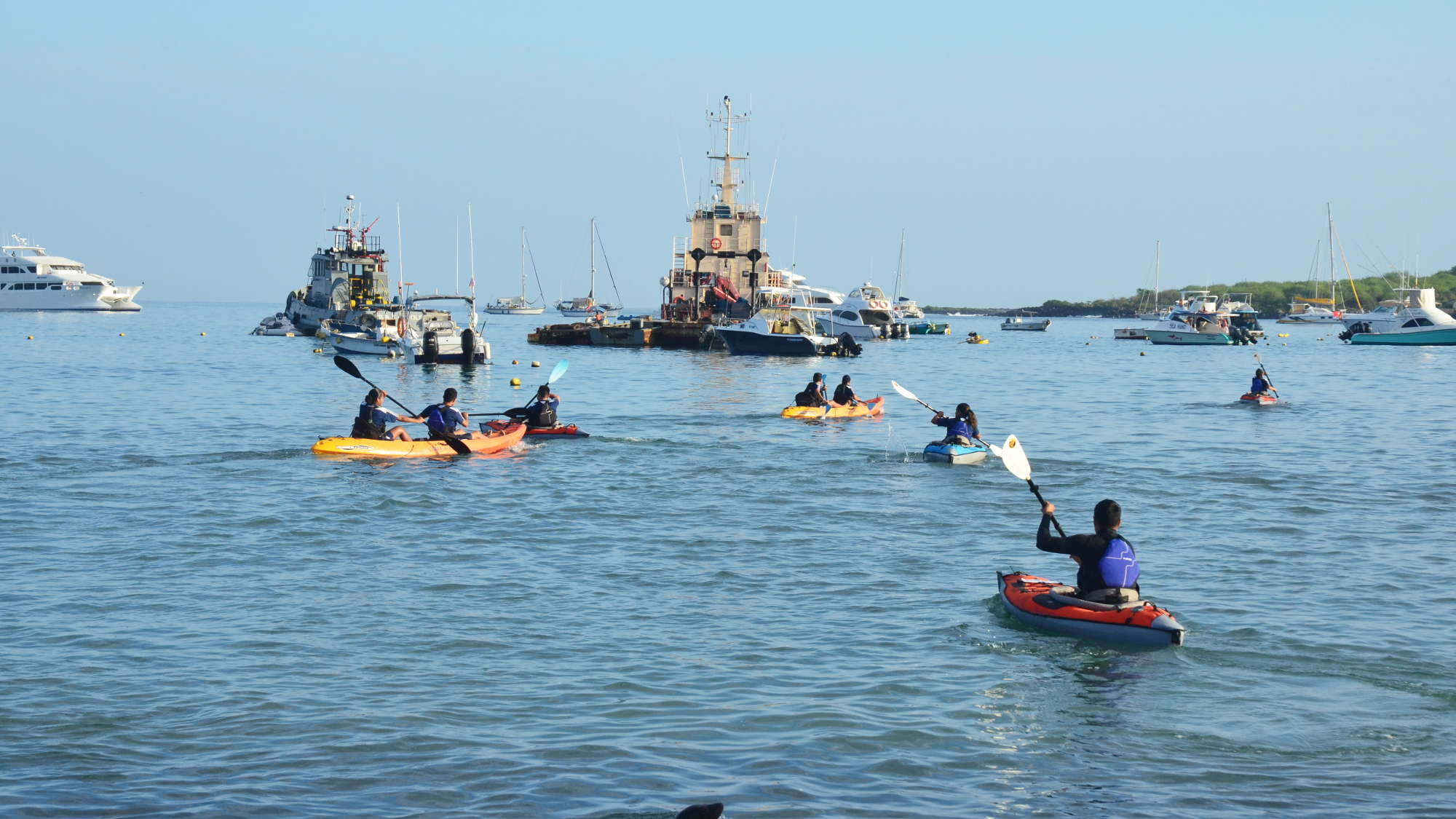
How Many Days Should You Spend in the Galápagos?
6 Days: A Short, Active Introduction
Six days can work well for travelers who have limited vacation time but still want to experience multiple islands.
For example, our 6-Day Galápagos Land Tour combines Santa Cruz, Isabela, and San Cristóbal, with active experiences such as kayaking, snorkeling, hiking, and cycling.
It’s a good option for travelers who want to experience several different landscapes and ecosystems without committing to a longer itinerary.
8 Days: A More Balanced Experience
Eight days gives you more room to combine active adventures with time to experience the islands themselves.
Our 8-Day Classic Galápagos Explorer, for example, explores three inhabited islands plus an additional island experience, combining hiking, biking, kayaking, and snorkeling.
With a little more time, there is greater opportunity to slow down between excursions, enjoy the towns, and experience different sides of the archipelago.
10 Days: Go Deeper
For travelers who want a more comprehensive experience, 10 days can provide the opportunity to explore all four inhabited islands, including Floreana.
Longer itineraries can include a wider range of landscapes, wildlife encounters, activities, and local experiences.
The extra days don’t have to mean packing more into every day. They can give you something equally valuable: time to slow down and appreciate where you are.
Which Galápagos Island Is Best to Stay On?
There isn’t one “best” island for everyone. Each inhabited island offers something different, which is why combining islands can create a much richer experience.
Santa Cruz
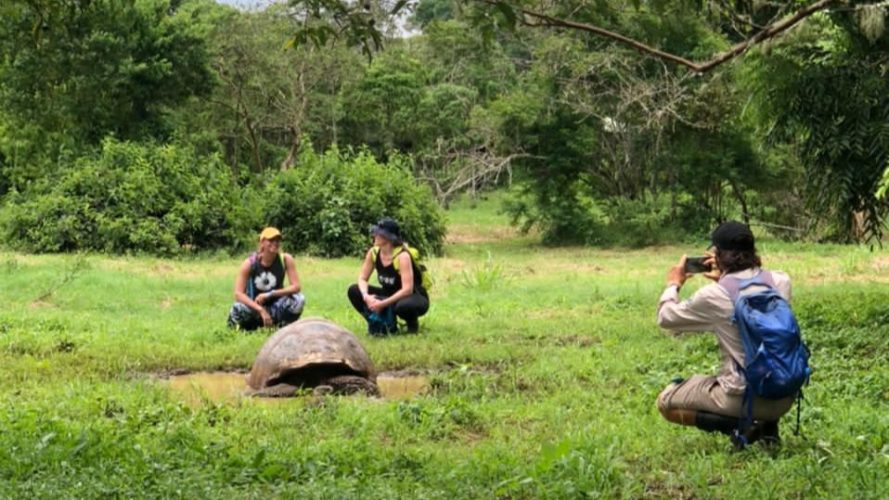
Best for: Easy access to day trips and other inhabited islands, diving, variety, and travelers looking for more developed infrastructure, restaurants, services, and shops.
Santa Cruz combines the energy of Puerto Ayora with the greener highlands, wild giant tortoises, conservation experiences, and easy access to surrounding visitor sites. Its variety makes it a natural part of many Galápagos itineraries.
Isabela
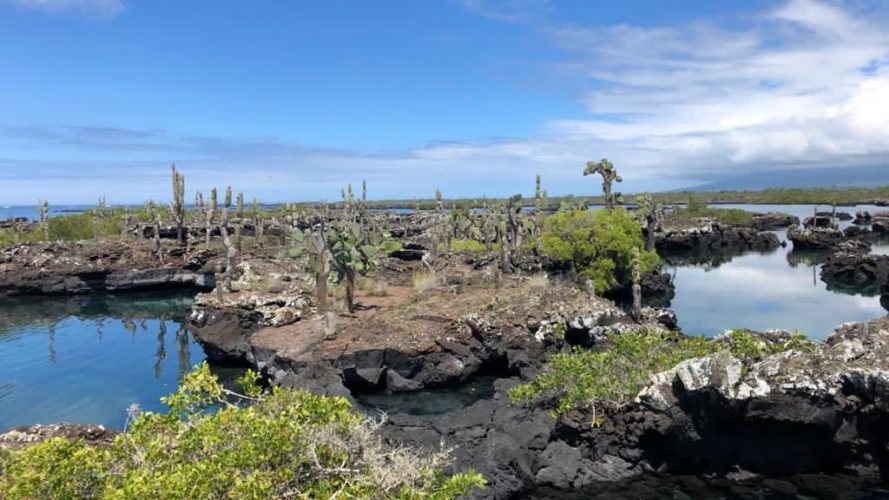
Best for: Beach-town vibes, a more remote feel, beautiful beaches, volcanoes, wildlife, and a slower pace.
Puerto Villamil has a relaxed beach-town atmosphere surrounded by wetlands, volcanic landscapes, and wildlife. Experiences such as Sierra Negra Volcano and Los Túneles add plenty of active exploration, while the island generally feels quieter and more spacious than Santa Cruz.
San Cristóbal
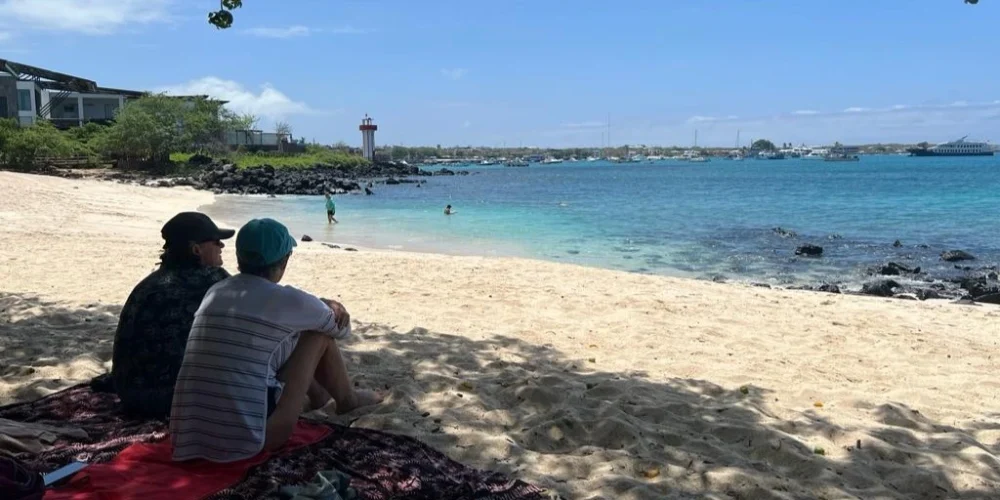
Best for: Wildlife, snorkeling, history, local connections, and easy access to hiking trails.
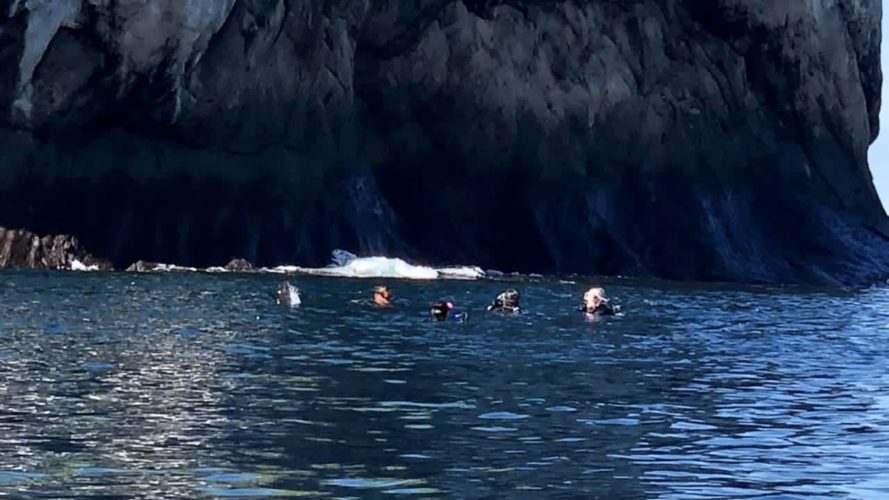
San Cristóbal combines excellent marine experiences, including Kicker Rock, with the everyday character of Puerto Baquerizo Moreno. Sea lions are a constant presence around the waterfront, making wildlife feel particularly integrated into daily island life.
Floreana

Best for: Remoteness, history, conservation, and authentic small-community experiences.
Floreana offers a very different rhythm. Its small community, fascinating human history, and distinctive black-sand beach create a quieter and more intimate experience than the larger inhabited islands.
Can You Stay on More Than One Island?
Absolutely. This is one of the biggest advantages of a land-based Galápagos itinerary.
Travelers can combine several inhabited islands using inter-island boats or flights, depending on the itinerary.
For example, you might wake up in Santa Cruz, spend the day exploring the highlands, and then travel to Isabela. A few days later, you could continue to San Cristóbal for snorkeling at Kicker Rock.
The logistics require some planning, but that’s where having the trip professionally coordinated can make a significant difference. Instead of figuring out every connection yourself, your itinerary can be coordinated around the available transportation and activities.
Is Staying in the Galápagos Better Than Taking a Cruise?
There isn’t one right answer. Cruises and land-based trips offer two very different ways to experience the Galápagos, and the best choice really depends on how you like to travel.
Land-based travel is about having more time to experience the islands themselves, not only during your planned excursions but also in the moments in between.
You still explore well beyond the towns. A land-based itinerary can include boat excursions, snorkeling, kayaking, swimming, and marine wildlife encounters, alongside hiking, biking, beaches, and volcanic landscapes. The ocean remains a huge part of the experience; you simply have an island to call home at the end of each day.
Where land-based travel really stands apart is the time and freedom you have on the islands. You can walk along the beach early in the morning, enjoy the waterfront after the day’s activities, explore town in the evening or simply spend more time outside experiencing what is happening around you. In the Galápagos, some of the most memorable wildlife encounters happen when you aren’t necessarily looking for them.
There is also more flexibility. Activities can often be adapted around local conditions, and travelers have more freedom to opt out of an activity, slow the pace, relax at the hotel or beach, or spend some time exploring independently.
And because you are staying within the inhabited islands, you experience another side of the Galápagos: the communities, people, and everyday rhythm of island life. You are not simply passing through. You stay in local hotels, eat in local restaurants, and spend time in the towns, while your trip directly supports local guides, transport providers, and other island businesses.It is an opportunity to experience the inhabited islands as places where people actually live, while still exploring the surrounding waters and visitor sites.
So, is staying in the Galápagos better than taking a cruise? There isn’t a single answer; they are simply different ways to experience the islands. For travelers looking for excellent wildlife encounters combined with active exploration, more time on the islands, greater flexibility, and a genuine connection to local life, land-based travel offers something very special: the chance to stay in the Galápagos, not simply visit it.
FAQs
Can tourists stay overnight in the Galápagos?
Yes. Visitors can stay overnight on the inhabited islands of Santa Cruz, Isabela, San Cristóbal, and Floreana in authorized accommodations.
Do you need a tour operator to stay on the Galápagos Islands?
No, independent travel is possible, but there are a lot of moving parts to coordinate. Hotels, inter-island transportation, activity boats, certified naturalist guides, National Park visitor sites, permits, and local conditions all need to come together. Careful planning is important to make the most of your time and fully enjoy the Galápagos.
Booking a land-based package with an experienced local operator means these logistics are managed for you, often well in advance, which can be especially helpful when securing the best guides, boats, and excursions with limited availability. Local knowledge also makes a difference, as a local team can manage changes and adjust your plans if conditions shift, giving you peace of mind so you can focus on enjoying the Galápagos.
Are Galápagos hotels regulated?
Accommodation in the Galápagos operates within the destination’s regulatory framework. Travelers should choose authorized accommodation and reputable providers.
How many days should you stay in the Galápagos?
There is no universal answer. Six days can provide an active introduction, while eight to ten days allow travelers to explore more islands and create more space for local experiences and downtime.
Which Galápagos islands can you stay overnight on?
Travelers can stay overnight on Santa Cruz, Isabela, San Cristóbal, and Floreana. Each offers a different experience, from the busier atmosphere of Puerto Ayora on Santa Cruz to the relaxed beach-town feel of Isabela and the much smaller community of Floreana.
Many of our land-based itineraries combine several inhabited islands, allowing travelers to experience those differences rather than choosing just one.
Stay on the Islands, Not Just Visit Them
The Galápagos isn’t only a collection of visitor sites to check off a list. Staying overnight gives you the chance to experience what happens between the excursions.
You wake up in an island town, spend the day exploring wildlife and volcanic landscapes, and return to the community in the afternoon. You can enjoy a local meal, walk along the waterfront, discover small businesses, and experience a quieter side of the Galápagos.
| |