
May 13, 2026
Ways to Advocate for Yourself as an Accessible Traveler in Remote Destinations like the Galápagos
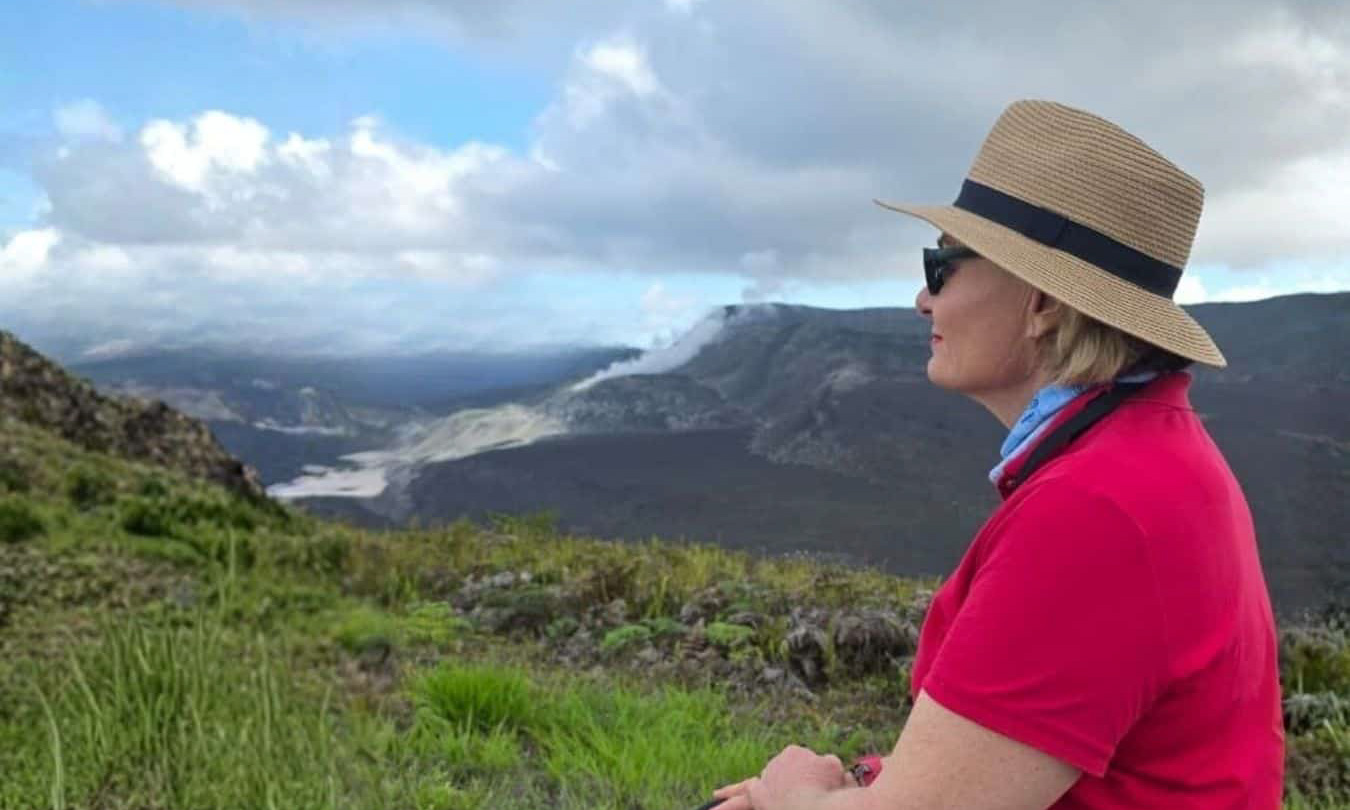
The Galápagos is known for its raw landscapes, protected ecosystems, and remote setting—factors that may not immediately suggest accessibility. While the islands are not traditionally considered an accessible destination, they are a truly special place that travelers with accessibility needs can experience with thoughtful planning and the right support.
Travel is evolving, and so is the understanding that, with thoughtful planning and the right support, more people can explore places like this in a way that feels comfortable and manageable.
In destinations like the Galápagos, one element becomes especially important in making that possible: self-advocacy.
Set Your Own Accessibility Standards
Accessibility is not a fixed definition, it’s a spectrum. Every traveler has their own needs, and being specific about them helps local teams provide realistic and accurate support.
What feels accessible for one traveler may not work for another. That’s why one of the most important first steps is to clearly understand your own needs, preferences, and requirements.
This could include:
- Physical access (steps, terrain, distances)
- Can you walk short distances, or not at all?
- Do you use a wheelchair, cane, or another mobility aid?
- Do you need step-free access or assistance with stairs?
- Accommodation setup (bathrooms, bed height, room layout)
- Activity comfort levels
- Sensory needs or pacing considerations
Any detail you can share helps create a trip that truly fits you. Being able to define what accessibility means for you makes it much easier to communicate your needs and shape an experience that feels right.
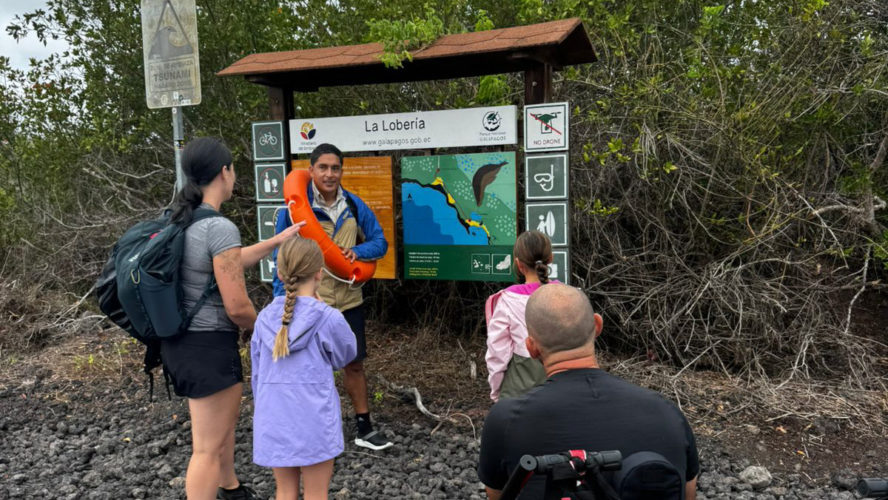
Asking Questions That Matter
Important part of advocating for yourself often starts with asking the right questions.
Even when working with experienced operators, it’s important to go beyond general descriptions and ask specific, practical questions, such as:
- Are there step-free access points?
- How wide are doorways?
- What is the terrain like at an specific location?
- How are activities adapted if needed?
Clear, detailed questions help avoid uncertainty, provide peace of mind, and give you a clear picture of the activities and accommodations. They also allow your travel provider to plan more accurately around your needs.
Planning with Intention
In remote destinations, planning is not just helpful, it’s essential.
Taking time to explore your options, read reviews from other accessible travelers, and understand their experiences can offer valuable insight. First-hand feedback often highlights practical details and honest advice that help set clear expectations.
Working with locally based operators can also make a significant difference. Local teams tend to have a better understanding of on-the-ground conditions and can respond more quickly when adjustments are needed.
It’s important to ask about experiences and activities that align with your needs and expectations. A trustworthy operator should provide a clear itinerary, helping you understand how the trip will flow and what to expect day by day.
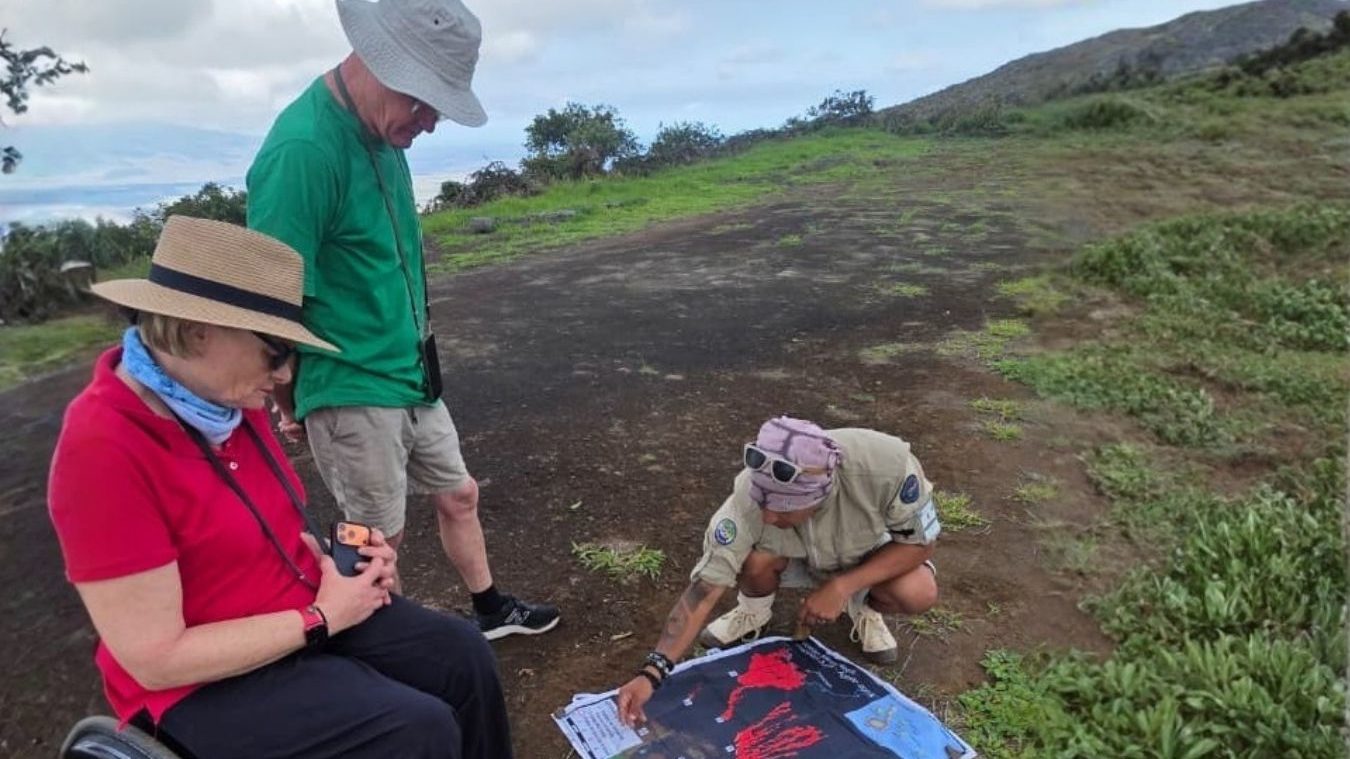
Quick Tip: Build Your Personal Advocacy Toolkit
Preparation can turn uncertainty into confidence.
Many travelers find it helpful to create a shared document or folder with key information about their trip. This keeps everything organized, simplifies communication, and ensures important details aren’t overlooked during planning.
A simple toolkit might include:
- Key travel documents
- A summary of your accessibility needs
- Medication lists and backups
- Equipment details or specifications
- Written confirmations of arrangements
This isn’t just paperwork, it’s a practical way to stay organized and communicate clearly, especially when moving between locations. While it’s not essential, having this ready can make the planning process smoother and can even be reused for future trips.
Traveling with Companions
For some travelers, having a companion, whether a friend, family member, or assistant, adds an extra layer of comfort and support.
Good communication within your group is just as important as communication with your travel provider. When everyone understands your needs and expectations, the experience tends to feel more seamless and enjoyable.
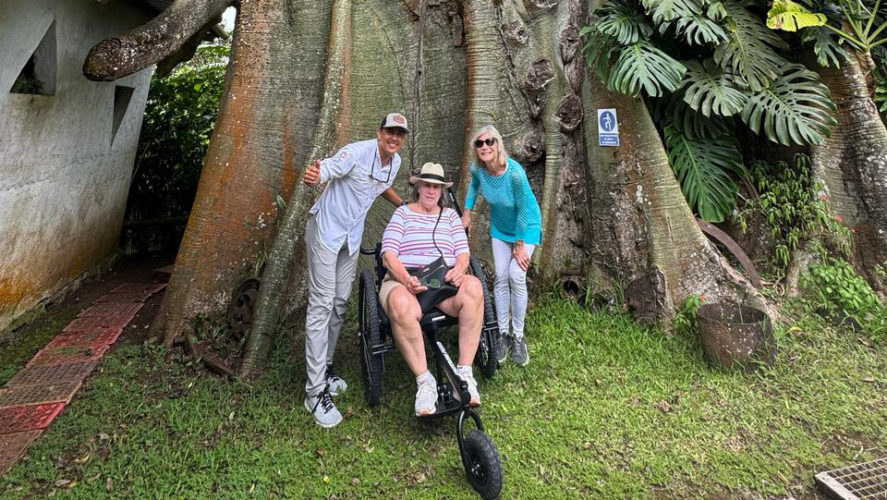
One approach we value on our accessible Galápagos tours is including additional assistance alongside a certified naturalist guide. Having this extra support means that everyone in the group can fully engage in the experience, while accessible travelers receive more personalized attention and guidance.
If it’s available, asking for additional support during your trip can make a meaningful difference, helping create a more comfortable, flexible, and enjoyable experience for everyone involved.
Sharing Your Experience
Advocacy doesn’t end when the trip does.
By sharing your experience, through reviews, photos, or recommendations, you help other travelers make informed decisions. Platforms like Google or TripAdvisor can become valuable resources for future accessible travelers looking for honest, first-hand insights.
Your perspective can help improve accessibility across the travel industry.
Communicating with Confidence makes a Big Difference
Using your voice clearly can make a big difference in how a trip unfolds.
Communicating your needs directly, whether verbally, in writing, or through a companion, helps ensure that expectations are understood. Confidence doesn’t mean having all the answers; it means being open about what works for you and what doesn’t.
Equally important is choosing a travel partner who listens, responds, and is willing to adapt. Accessible travel works best when it’s a collaboration.
The Galápagos Islands are extraordinary, but they are also a protected and logistically complex destination. Infrastructure can vary, and adaptability is often part of the experience.
This is where self-advocacy and the right support system come together. Listening to your body, communicating your needs, and working with a trusted, experienced team allows you to navigate the journey with more confidence.
With the right preparation and support, what once felt challenging can become not only possible but also deeply rewarding.
If you’d like support planning a trip that fits your needs, you can explore our custom accessible land-based tours or simply reach out to our team to start designing your Galápagos adventure.
| |