
February 26, 2026
Isabela Island, Galápagos: Where Volcanoes, Wildlife, and Wild Landscapes Meet
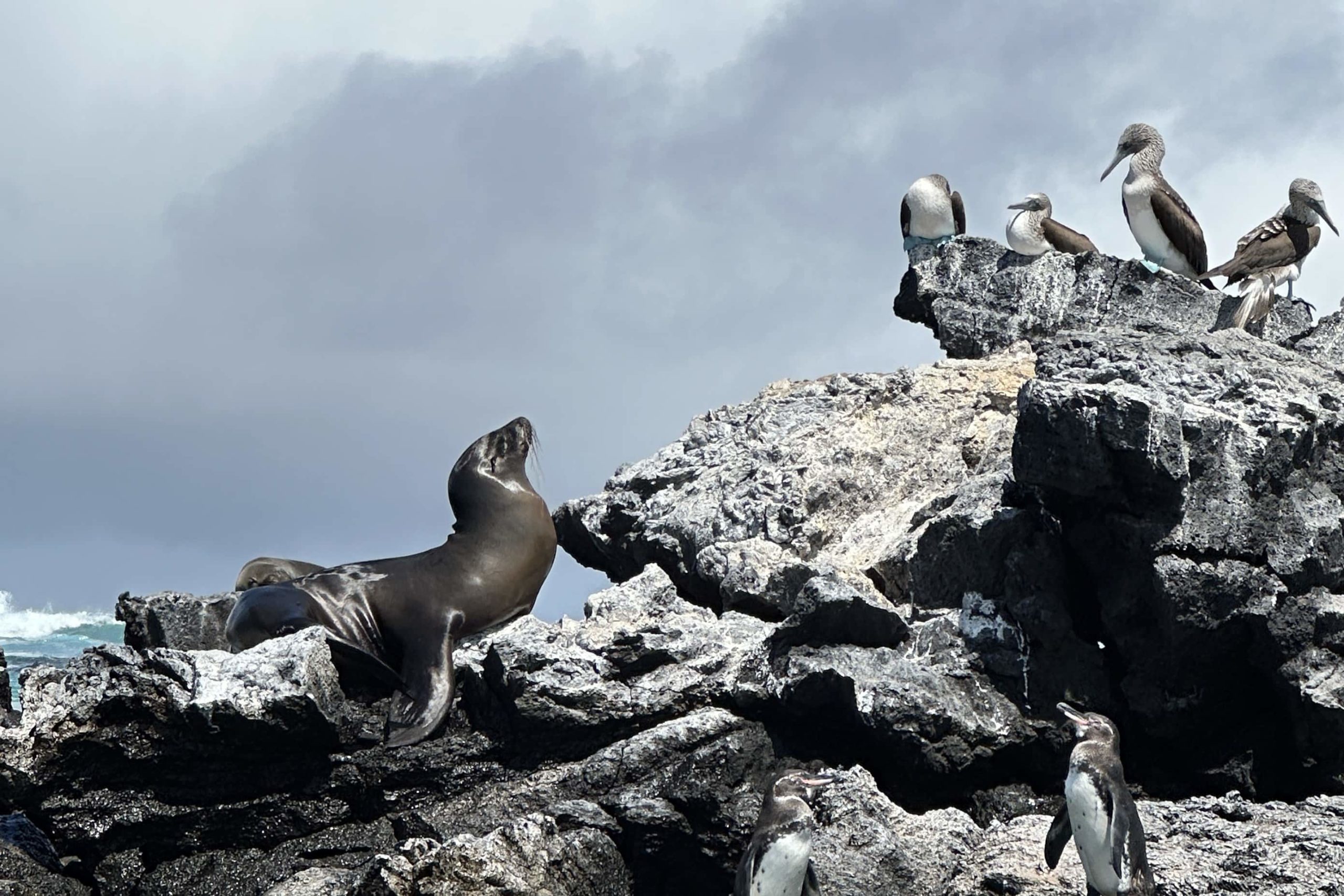
Isabela Island is unlike anywhere else in the Galápagos Islands. Vast, raw, and quietly powerful, it feels less like a destination shaped for visitors and more like a place where nature still sets the rules. From towering volcanoes and mangrove-lined lagoons to wildlife found nowhere else on Earth, Isabela is a highlight for travelers seeking active adventures in the Galápagos and a deeper connection to the islands.
On our land-based Galápagos tours, adventurers consistently fall in love with staying on Isabela. Despite being the largest island in the archipelago, its main town, Puerto Villamil, remains small, relaxed, and deeply connected to its natural surroundings. Here, it’s common to walk along the beach alongside marine iguanas, spot penguins darting through the water, or see blue-footed boobies caring for their chicks just steps from the shore.
Spending time on Isabela during a Galápagos Islands tour offers something truly special: the chance to slow down, explore on foot, and experience daily life in one of the wildest corners of the archipelago. Let’s take a closer look at what makes Isabela Island such a memorable part of any trip to the Galápagos Islands.
What Makes Isabela Island Special?
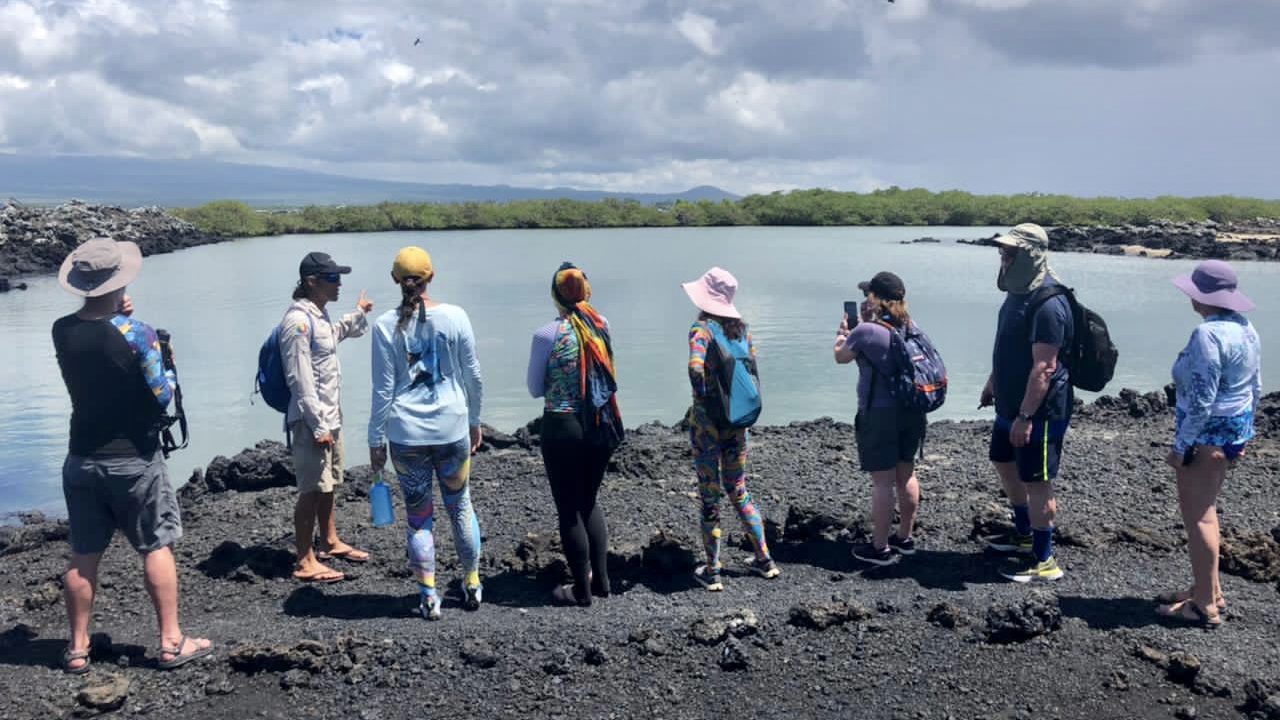
Isabela Island is the largest island in the Galápagos archipelago, famously shaped like a seahorse and formed by powerful volcanic forces. Despite its vast size, the main town, Puerto Villamil, remains small, relaxed, and wonderfully low-key. Life here moves at a true island pace, making it easy to slow down and reconnect with nature.
What truly sets Isabela apart is its geology. The island is formed by five massive volcanoes, several of which are still active today. Sierra Negra Volcano experienced its most recent significant eruption in 2018, while Wolf Volcano erupted in 2022. Over time, these eruptions, combined with isolation, have shaped a dramatic landscape of lava fields, craters, and fertile coastal ecosystems.
These volcanic origins have created highly specialized habitats that support some of the most iconic and unusual wildlife in the Galápagos Islands, from large marine iguanas to flightless cormorants and Galápagos penguins.
While the idea of active volcanoes may sound intimidating, Isabela Island is generally very safe for visitors. The Galápagos National Park closely monitors volcanic activity and temporarily closes areas when necessary to ensure both visitor safety and environmental protection.
This balance, vast, untamed landscapes paired with a quiet human presence, is what makes Isabela feel truly special and why it stands out on any Galápagos Islands tour.
Iconic Wildlife of Isabela Island
Isabela Island is one of the best places in the Galápagos Islands to observe wildlife up close and in truly natural settings. Thanks to its size, varied habitats, and limited development, many species thrive here with minimal human disturbance. Some of Isabela’s most iconic wildlife includes:
- Giant tortoises
Isabela is an excellent place to spot giant tortoises in the wild, especially in the island’s lush highlands. Areas along the route to the Wall of Tears offer some of the best chances to glimpse these ancient reptiles slowly moving through their natural habitat. If you’re lucky, you may also encounter giant tortoises near Sierra Negra Volcano, where they roam freely among the volcanic landscapes, one of those quiet, unforgettable Galápagos moments that stays with you long after the hike is over. - Marine iguanas
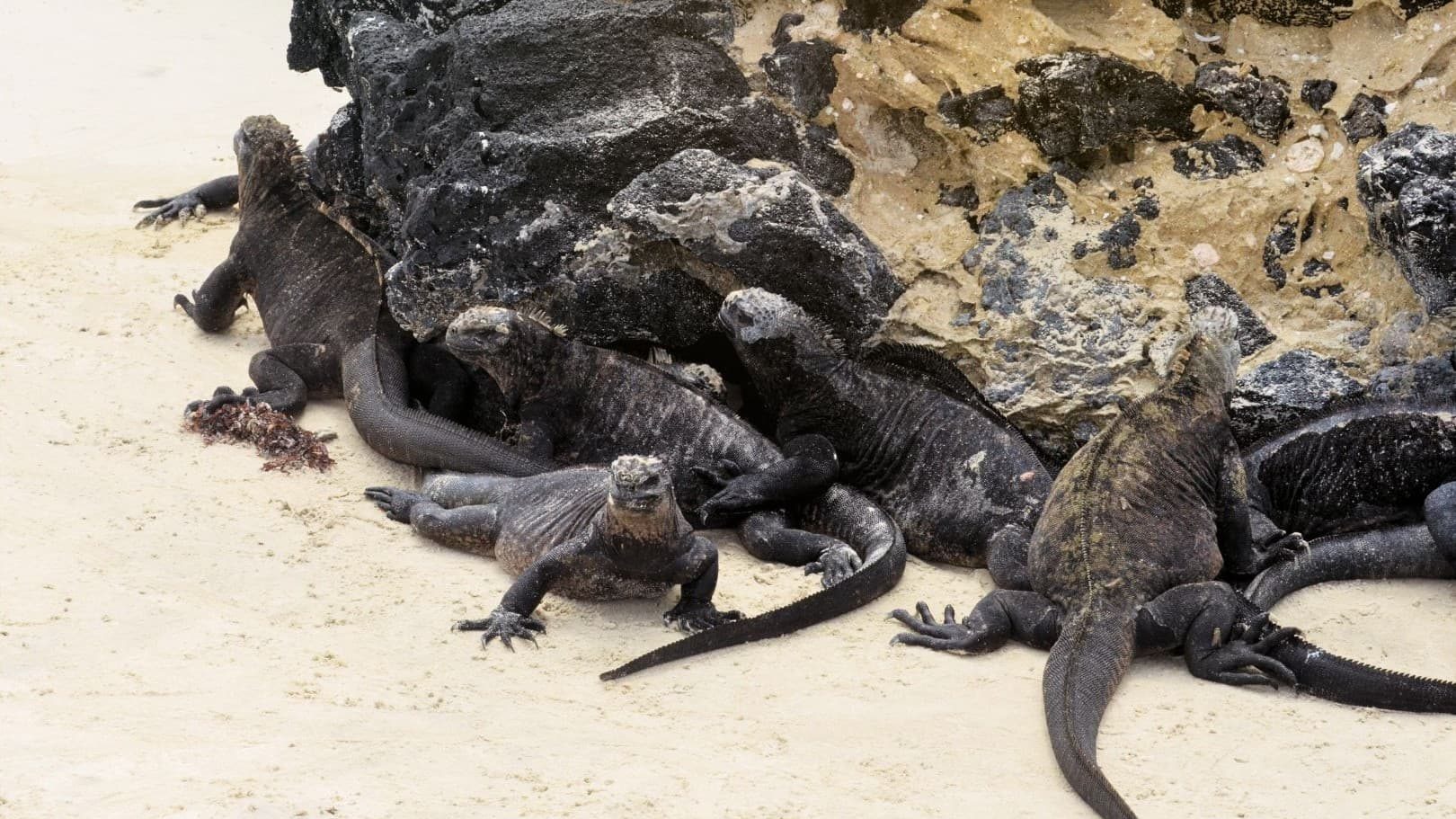
If you love marine iguanas, Isabela is hard to beat. From impressively large adults to tiny hatchlings, they are often seen piled together on lava rocks, basking in the sun along beaches and coastal trails. Walking near the shoreline, it’s common to encounter them just steps away, some times even catch them swimming. - Galápagos penguins
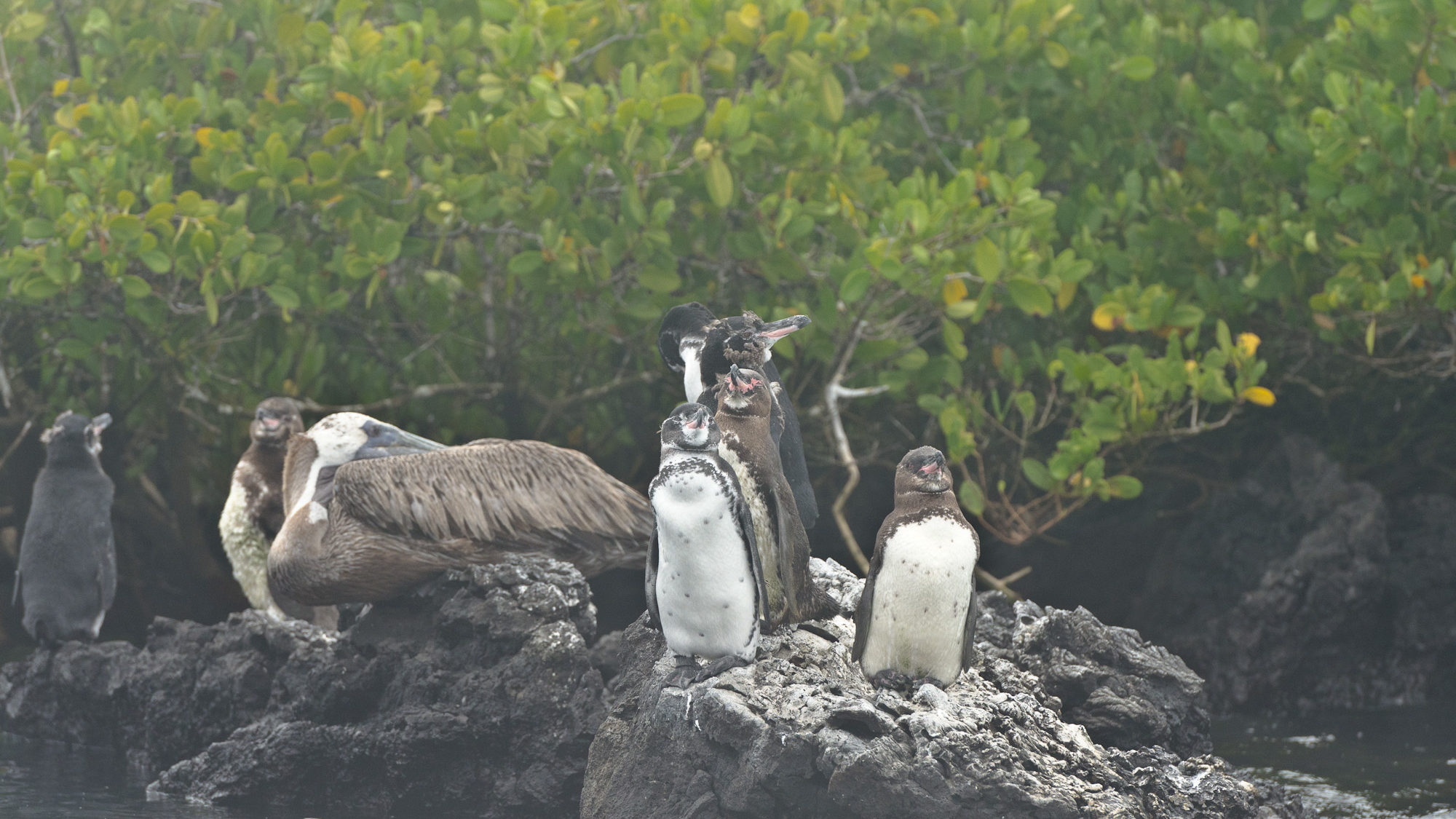
Isabela is the main stronghold of the Galápagos penguin, the only penguin species found north of the equator. Thanks to cooler ocean currents that reach parts of the island, these small and charismatic birds can often be seen swimming or resting along rocky shores. - Unique birdlife
Isabela island is home to species such as Galápagos flamingos, flightless cormorants, Nazca boobies, swallow-tailed gulls, and Galápagos stilts, along with many other birds found only in the archipelago. While some species, like the flightless cormorant, can be a bit harder to spot, many others appear simply by slowing down and paying attention. Walking along Isabela’s coastal trails, beaches, wetlands, lagoons, and shallow ponds often leads to spontaneous encounters, making birdwatching on Isabela feel natural and immersive, less about searching, and more about being fully present in the landscape.
This incredible diversity makes Isabela a must-stop on any Galápagos Islands tour focused on wildlife, evolution, and meaningful nature encounters.
Facts about Isabela Island
How Big Is Isabela Island?
- Area: ~1,771 square miles (4,588 km²)
- Highest point: Wolf Volcano at 5,599 feet (1,707 m)
To put it in perspective, Isabela makes up more than half of the total landmass of the Galápagos Islands.
How Old Is Isabela Island?
Isabela is one of the youngest islands in the archipelago, geologically speaking. Some of its volcanoes are less than one million years old and still actively shaping the landscape today. This youth is visible everywhere, from fresh lava flows to stark volcanic terrain that feels almost otherworldly.
What Is There to See and Do on Isabela Island?
Isabela offers one of the most diverse ranges of activities in the Galápagos, especially for travelers on land-based Galápagos tours. From dramatic volcanic highlands to intricate underwater lava formations, the island showcases the raw forces that shaped the archipelago. Whether you’re hiking, snorkeling, kayaking, or simply observing wildlife, Isabela delivers unforgettable active adventures in the Galápagos.
Here are some of our favorite places and experiences on the island:
Sierra Negra Volcano
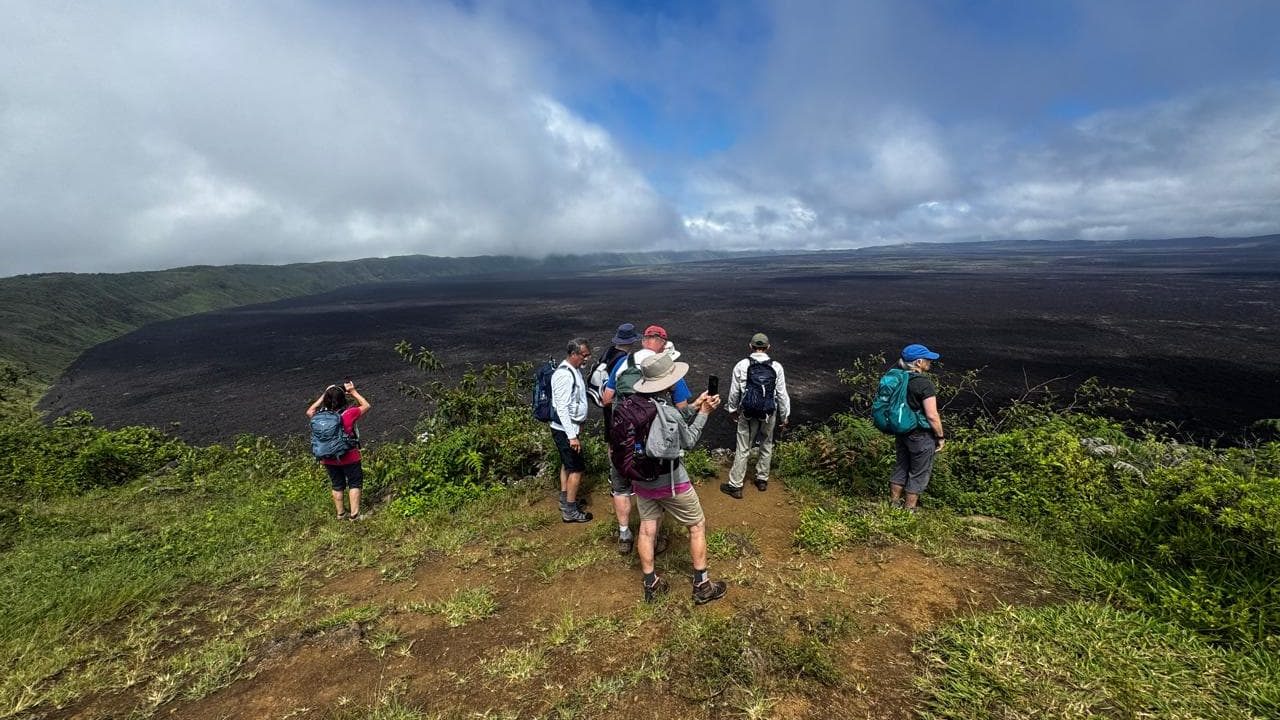
Home to one of the largest volcanic calderas on Earth, Sierra Negra offers a powerful glimpse into the geological forces that continue to shape the Galápagos Islands. Hiking across lava fields and along sweeping viewpoints, you can see the effects of recent eruptions and observe how plant life slowly reclaims the landscape, an incredible lesson in resilience and evolution.
Las Tintoreras
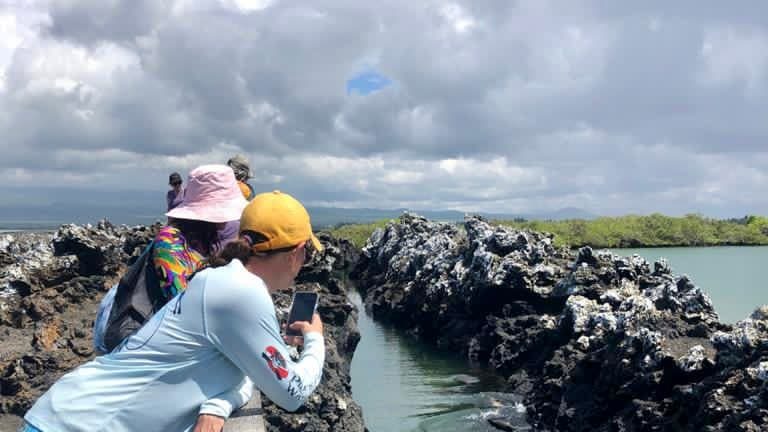
This network of lava channels is one of Isabela’s most iconic sites. Here, you may spot white-tip reef sharks, sea lions, marine iguanas, penguins, rays, and colorful fish. The calm, crystal-clear waters make it an ideal place for snorkeling or kayaking, with mangrove trees framing the lava formations and wildlife often just below the surface.
Concha de Perla
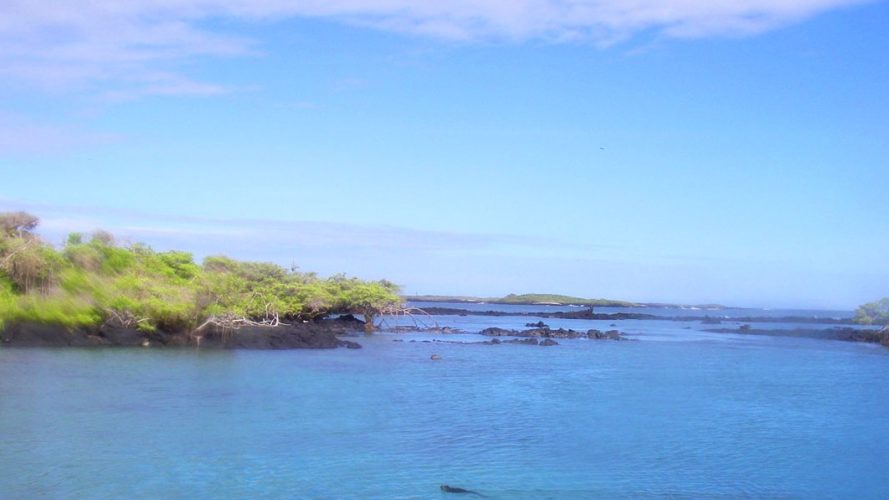
An enchanting saltwater lagoon just a short walk from Puerto Villamil on Isabela Island. Its clear waters are perfect for snorkeling, where you can see tropical fish, sea lions, turtles, and sometimes penguins, surrounded by mangroves and rocky formations.
The Wetlands
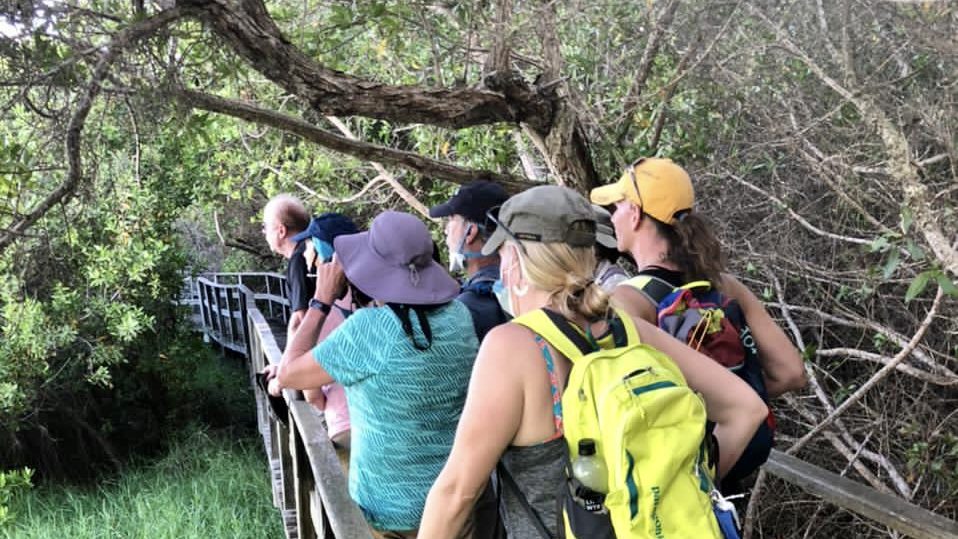
Just outside Puerto Villamil, a coastal trail system winds through lagoons, mangroves, and ponds. This is one of the best places on Isabela to see Galápagos flamingos, along with ducks and other bird species. Early mornings are especially rewarding, offering peaceful walks and excellent birdwatching close to town.
Sulfur Mines & Chico Volcano
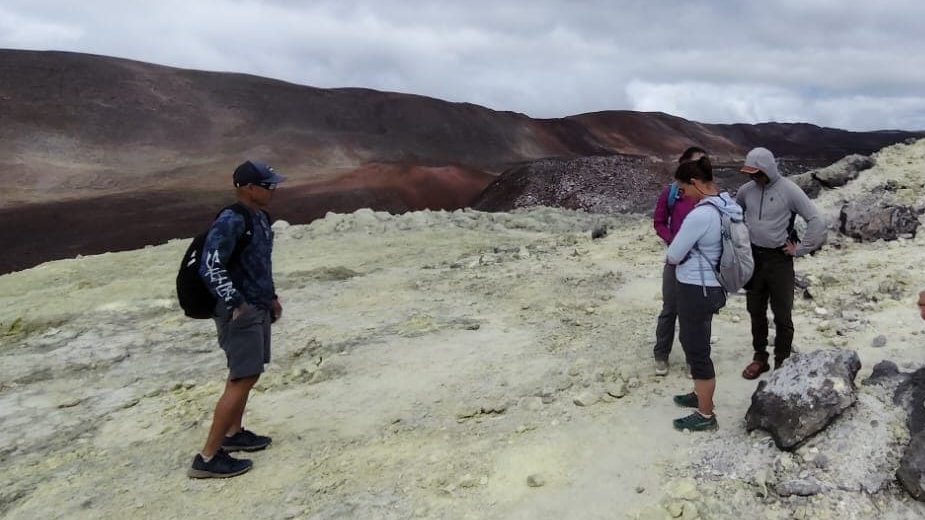
For those seeking a more adventurous experience, this hike into the volcanic highlands reveals fumaroles, lava tunnels, and wide panoramic views. The striking contrast of black lava rock, white mineral deposits, and bright yellow sulfur creates one of the most unique volcanic landscapes in the Galápagos.
The Wall of Tears
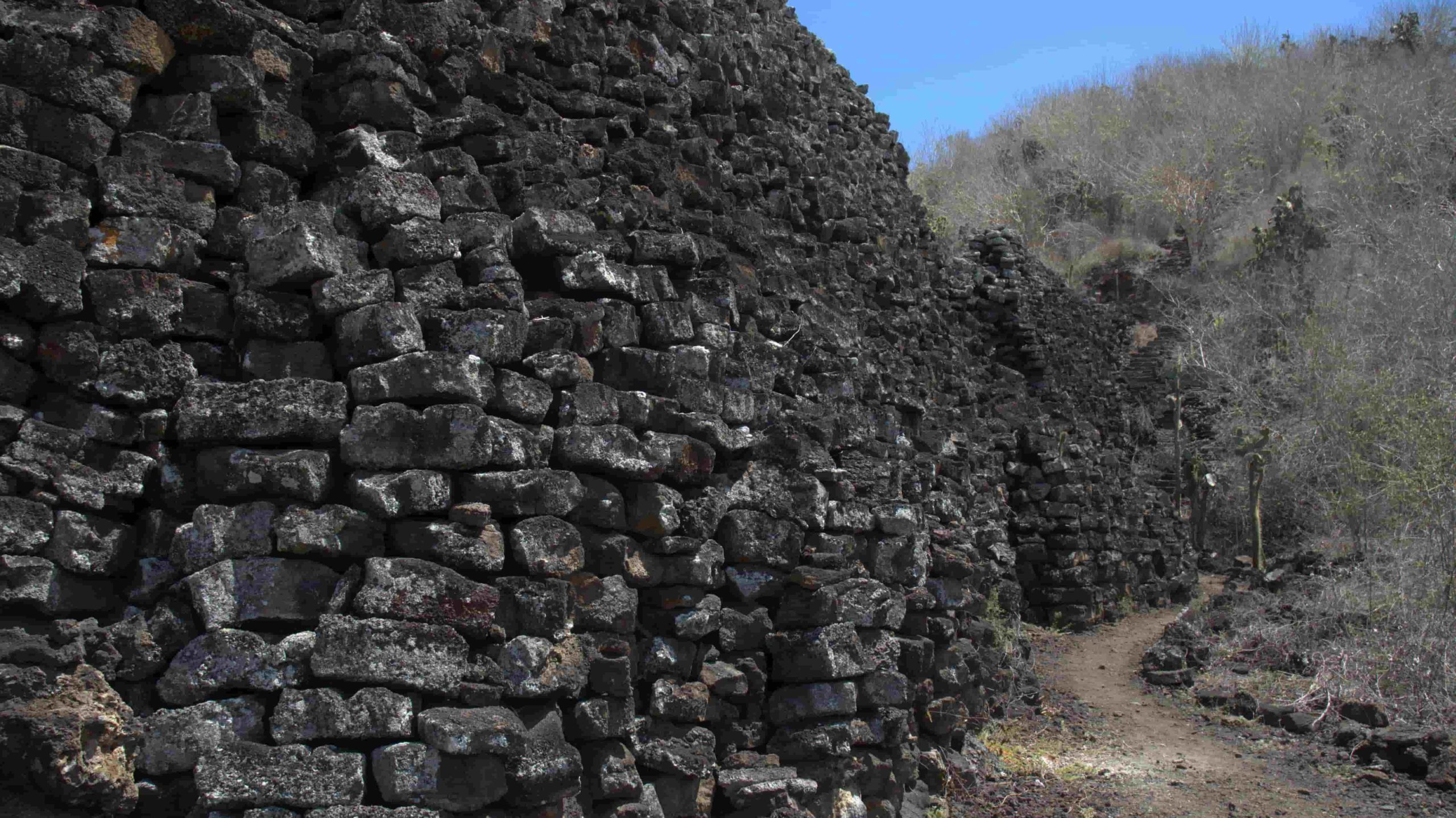
A powerful historical site built by prisoners in the 1940s and 1950s, the Wall of Tears offers insight into Isabela’s human past. The site can be reached by foot or bike, with the journey itself taking you through coastal habitats and offering chances to spot wildlife along the way.
Los Túneles
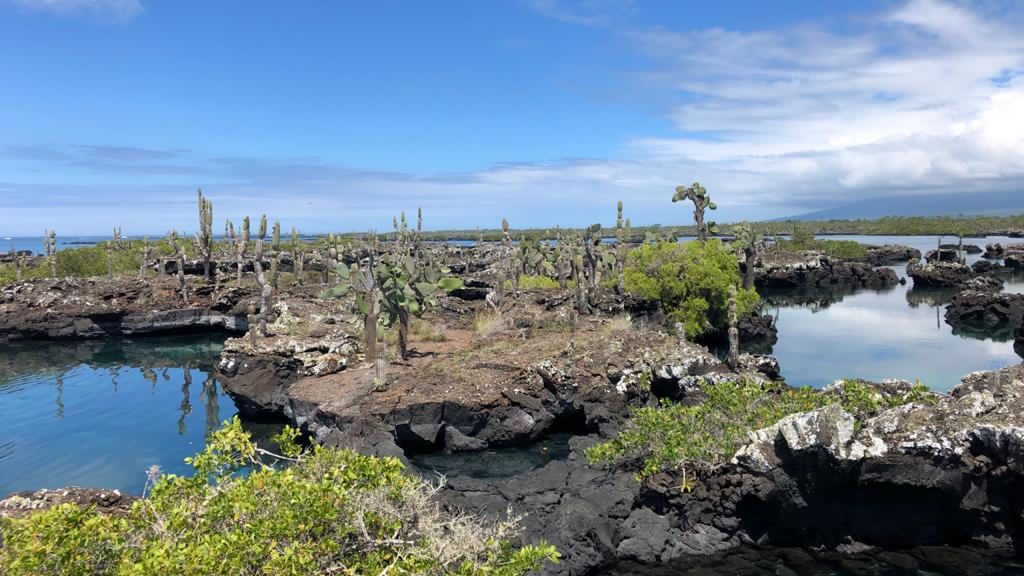
One of the top snorkeling sites in the Galápagos, Los Túneles features lava arches and natural bridges both above and below the water. Beneath the surface, you may encounter sea turtles, rays, penguins, and abundant fish life. Above water, birds nest and rest among the lava formations. This area is accessible only by small boat, as its shallow and fragile lava structures prevent large vessels from entering.
Tortuga Islet
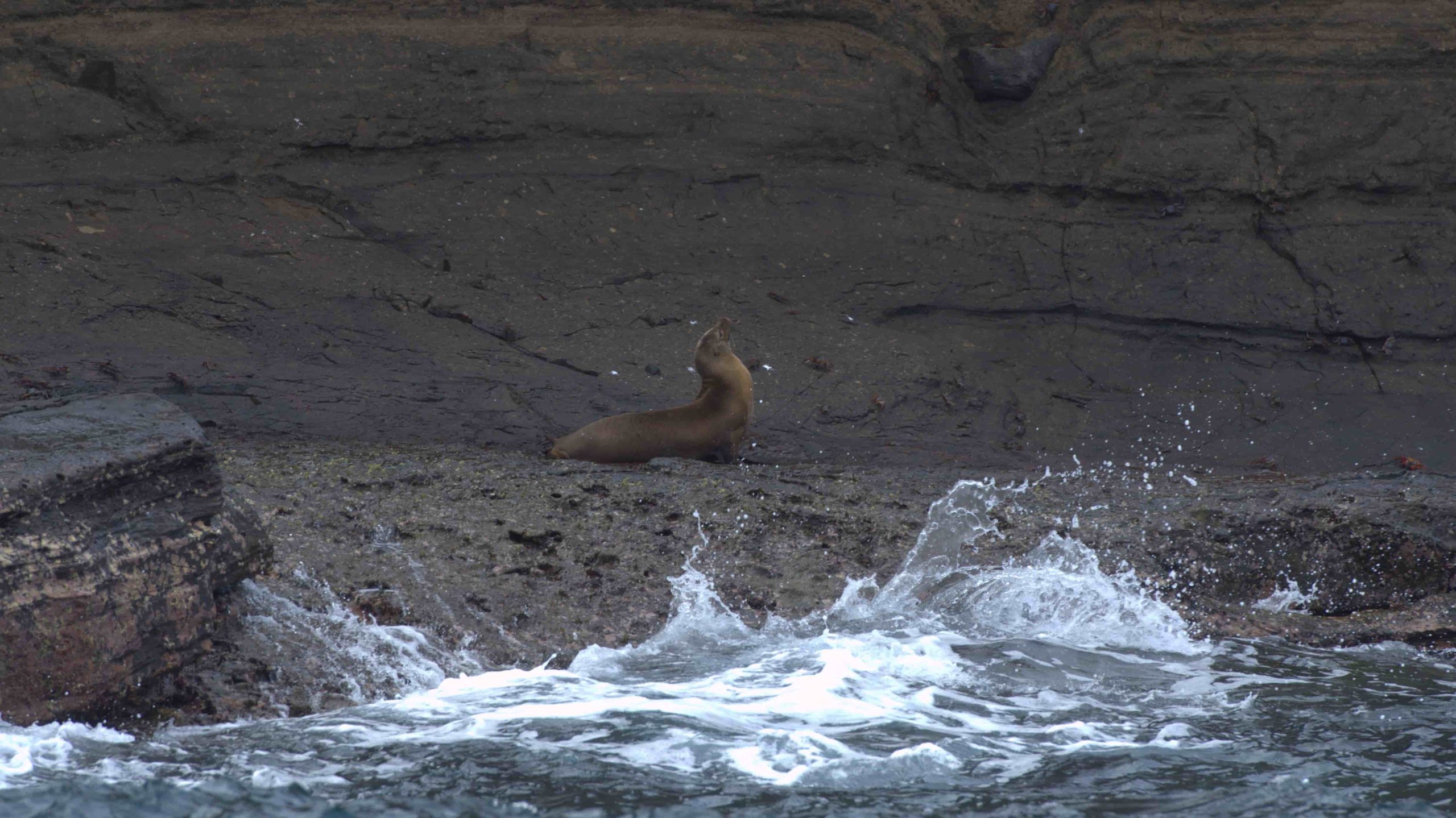
A lesser-visited stop often included in boat excursions, Tortuga Islet is known for its scenic coastline and rich birdlife. The rocky walls are home to nesting seabirds, making it a rewarding place for wildlife lovers, even as a scenic pass-by on the way to or from Isabela.
Can You Stay on Isabela Island?
Yes, and this is one of Isabela’s biggest advantages. Unlike some islands that only allow day visits, Isabela permits overnight stays, giving travelers time to explore at a slower pace and experience the island beyond a quick landing.
Hotels on Isabela Island
Accommodation options range from small locally owned guesthouses to beachfront boutique hotels. Most places are simple, comfortable, and focused on sustainability rather than luxury.
Where to Eat on Isabela Island
Puerto Villamil has a growing selection of restaurants offering fresh seafood, Ecuadorian classics, and international options. Meals tend to be relaxed, social, and close to the ocean.
How Do You Get to Isabela Island?
You cannot fly directly to Isabela from mainland Ecuador.
Instead, travelers reach Isabela by Speedboat from Santa Cruz Island (approx. 2–2.5 hours) or you can take a Small inter-island flights (limited availability)
Your route depends on weather, timing, and your overall Galápagos Islands itinerary.
Is Isabela Island Right for Your Galápagos Trip?
If you’re looking for:
- Dramatic volcanic landscapes
- Outstanding wildlife encounters
- A relaxed, authentic island atmosphere
Then Isabela is an unforgettable addition to your family trip to the Galápagos, active adventure vacation, or land-based island-hopping experience.
At Galakiwi, we include Isabela Island in many of our itineraries because it offers space to explore, time to observe, and moments that stay with you long after your trip to the Galápagos Islands ends.Curious about exploring Isabela as part of a meaningful, well-paced journey?
Take a look at our Galápagos land tours and let’s plan an experience shaped by nature, curiosity, and connection.