
November 16, 2026
Coffee Experience: Discovering Local Coffee in the Galápagos
Did you know high-quality coffee is produced in the Galápagos?
If you love coffee and are planning a trip to the Galápagos, you might be surprised to discover that these remote islands produce coffee of their own. Beyond the wildlife, volcanic landscapes, and turquoise waters, there is a local agricultural story that many visitors never get to experience.
Coffee production might not be the first thing that comes to mind when you think about the Galápagos. Yet, in the islands’ humid highlands, local producers cultivate coffee that makes its way into cafés, hotels, and businesses across the archipelago.
So, how did coffee arrive on these islands? What makes growing it here different? And how can you experience the people and processes behind every cup?
At Galakiwi, we enjoy finding locally rooted experiences that help travelers discover another side of the Galápagos. Coffee is one of them. It offers a closer look at island agriculture, local entrepreneurship, and the people working to create livelihoods beyond tourism.
Recently, our team had the opportunity to experience this firsthand with Ranti Coffee. But before we take you through the tasting, let’s explore how coffee became part of island life.
A Brief History of Coffee in the Galápagos
Coffee has been growing in the Galápagos for more than a century. Its history is closely connected to the development of agriculture on San Cristóbal Island.
Historical accounts trace early coffee cultivation in the archipelago to the 1860s, when Manuel J. Cobos, an agricultural entrepreneur associated with one of the islands’ early estates, introduced crops including coffee and sugarcane.
This period also represents a difficult chapter in the island’s history. Cobos’s estate relied on workers subjected to harsh and exploitative conditions, and his legacy remains an important part of understanding San Cristóbal‘s past.
Over time, the early plantation system declined, but coffee plants remained established in parts of the island’s highlands. Coffee cultivation continued to evolve, with growing interest in specialty coffee during the 1990s and subsequent decades helped create new opportunities for local producers.
Today, coffee production forms part of the Galápagos‘ agricultural identity. While tourism remains central to the local economy, coffee offers another way for residents to develop businesses, work with local suppliers, and create products associated with the place they call home.
Exploring the highlands of San Cristóbal with Galakiwi also offers a chance to learn more about the island’s agricultural past and present, adding another dimension to the landscapes and communities travelers encounter during their visit.
Why Is Coffee Grown in the Galápagos?
Growing coffee on remote volcanic islands presents its own challenges. Transport, access to agricultural supplies, labor costs, and environmental regulations all influence how producers work.
But the islands also have something that coffee plants need: suitable growing conditions in their humid highlands.
The Highland Microclimate
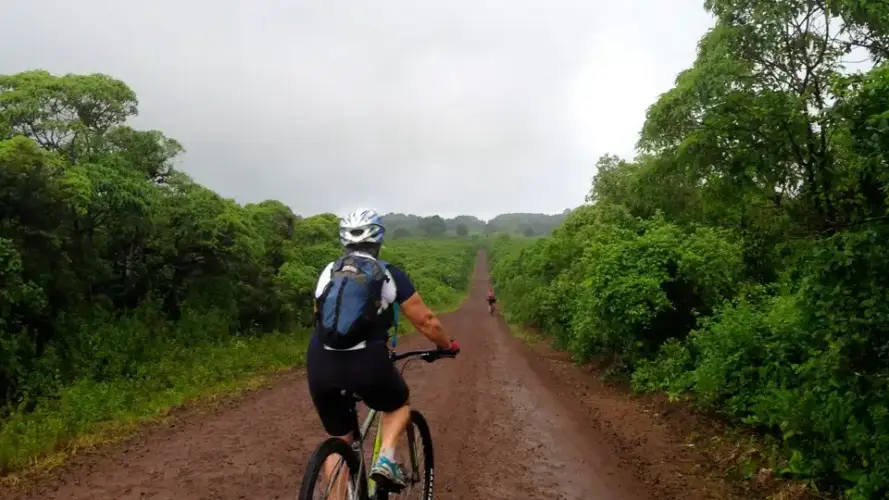
The Galápagos sits on the equator, but the climate varies considerably between the coast and the higher parts of the islands.
While coastal areas are often hot and dry, the higher parts of the islands tend to be cooler and receive more moisture. These conditions allow coffee plants to grow in places such as the agricultural highlands of San Cristóbal and Santa Cruz.
The surrounding ocean also influences the islands’ climate, creating growing conditions that differ from many traditional coffee-producing regions.
The combination of elevation, temperature, rainfall, and soil conditions influences how coffee cherries develop. Along with the varieties grown and the methods used by farmers, these factors can contribute to differences in flavor between coffees from different farms.
The islands’ equatorial location and seasonal weather patterns can also influence harvest timing. Depending on the farm and growing conditions, producers may have more than one harvest period during the year.
Farming Within a Protected Archipelago
Coffee farming in the Galápagos takes place within an unusual setting. Around 97% of the archipelago’s land area is protected as Galápagos National Park, while communities and agricultural activities occupy designated areas outside the park.
This means local producers must consider more than their crops. Protecting surrounding habitats, managing water carefully, and following environmental and biosecurity regulations are all important parts of farming on the islands.
Some coffee farms have adopted practices such as growing coffee beneath shade trees, reducing chemical inputs, and maintaining vegetation that provides habitat for wildlife. On properties where giant tortoises move through agricultural land, thoughtful farm design can also help protect their natural routes.
These approaches show how agriculture and conservation can work alongside each other, although practices differ between farms.
Coffee is not native to the Galápagos, and growing it responsibly requires care. Learning how local producers manage their land offers another perspective on the relationship between island livelihoods and the natural environment.
What Makes Galápagos Coffee Different?
One of the more surprising things about Galápagos coffee is the elevation at which it grows.
In many well-known coffee-growing regions, Arabica coffee is cultivated at considerably higher elevations. In the Galápagos, however, coffee can grow at approximately 130 to 600 meters above sea level.
The islands’ climate helps explain why. Cool ocean currents, particularly the Humboldt Current, influence temperatures and moisture conditions, allowing coffee to develop in an environment that would be unusual for high-quality Arabica cultivation elsewhere.
The volcanic origins of the islands also contribute to the growing environment. But while soil and climate influence coffee development, the final flavor depends just as much on the people producing it.
The coffee variety, the moment cherries are harvested, the way beans are processed and dried, and the roasting method all influence what ends up in your cup.
Depending on the coffee, you might notice fruity aromas, a pleasant acidity, or a fuller, more rounded body. Different brewing methods can bring out different characteristics, which is part of what makes tasting coffees from local producers so interesting.
A Coffee with Its Own Denomination of Origin
Galápagos coffee has received official recognition through Ecuador’s Denomination of Origin for Café de Galápagos.
A denomination of origin identifies a product whose characteristics and reputation are linked to a particular geographical area. For Galápagos coffee, that connection includes the islands’ growing environment and the agricultural knowledge involved in producing it.
The designation helps recognize coffee as a product of the archipelago, while providing a framework for identifying coffee that meets the relevant origin and production requirements.
For visitors, the most interesting part is discovering how those factors come together in a real cup of coffee. And that’s where meeting local producers and taking part in a tasting can turn an everyday drink into a much more interesting experience.
Why Does Local Coffee Matter to the Galápagos Community?
Behind a cup of Galápagos coffee are people involved in growing, harvesting, processing, roasting, and bringing the finished product to customers.
Coffee grown in the highlands might be harvested and processed by a local producer before being roasted, packaged, and supplied to a café or hotel in Puerto Ayora or Puerto Baquerizo Moreno. When a visitor orders a cup, they’re enjoying a product that has passed through several stages of work, often involving different people and businesses within the islands.
But producing coffee in a remote archipelago comes with challenges.
Transporting equipment and agricultural supplies from mainland Ecuador can be expensive. Labor and operating costs can also be higher, while producers must work within environmental and biosecurity regulations and find buyers willing to pay a price that reflects the work involved.
This is one reason the relationship between producers, roasters, cafés, and customers matters. When people understand the work behind a product, they can make more informed decisions about what they buy and why its price may differ from coffee produced elsewhere.
For us at Galakiwi, discovering these local businesses is part of understanding the Galápagos beyond its best-known attractions. The islands are not only a place to visit; they are home to communities finding different ways to make a living while living alongside a remarkable natural environment.
Inside Coffee Experiences In the Islands
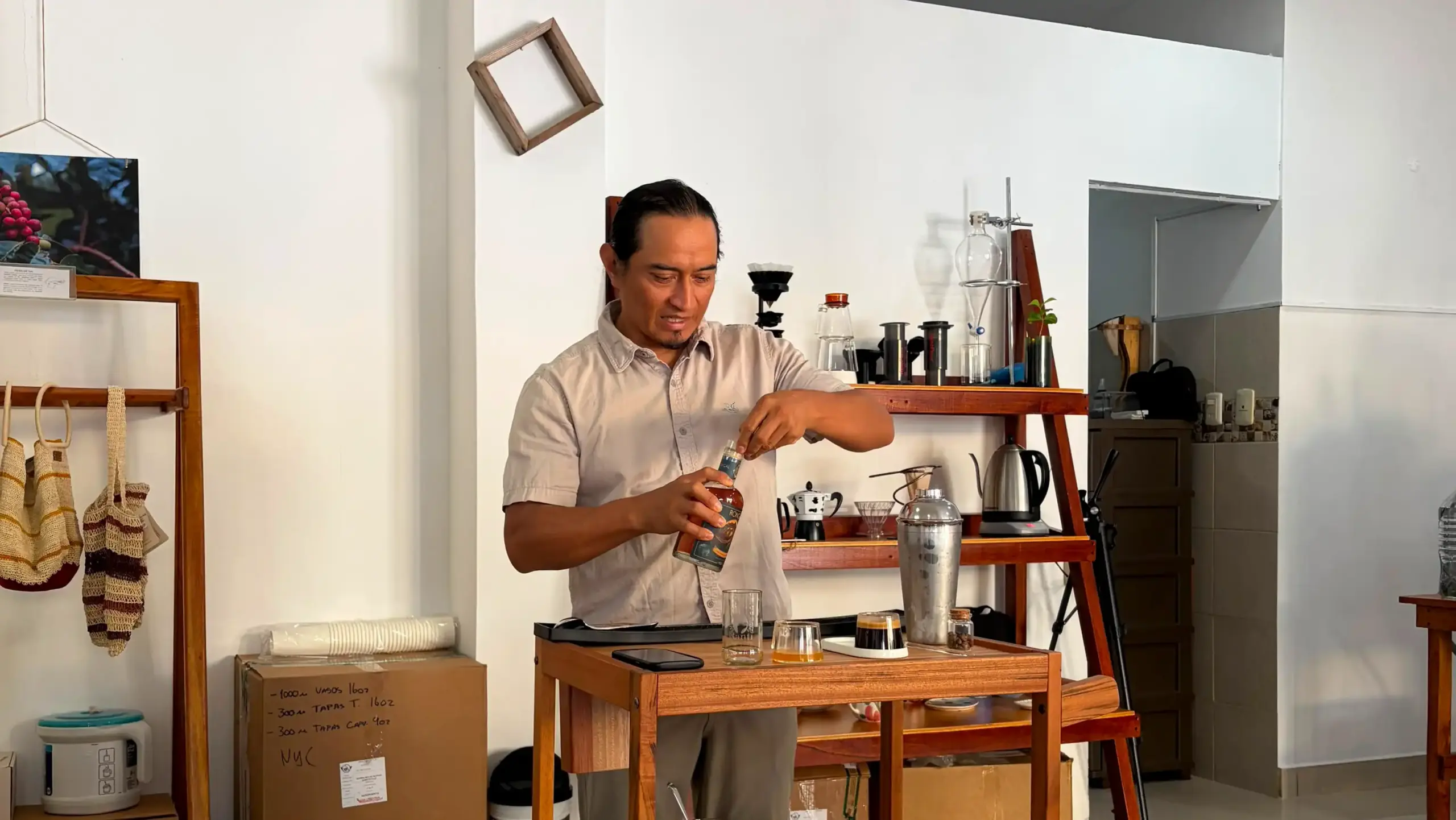
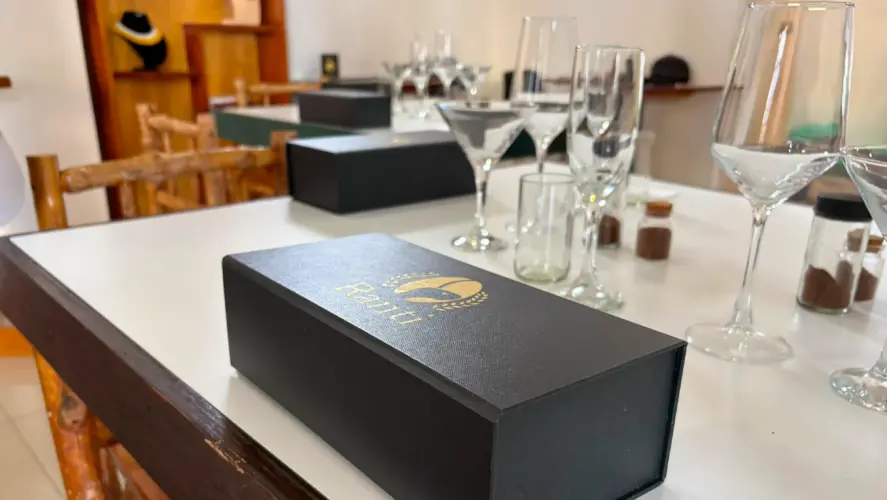
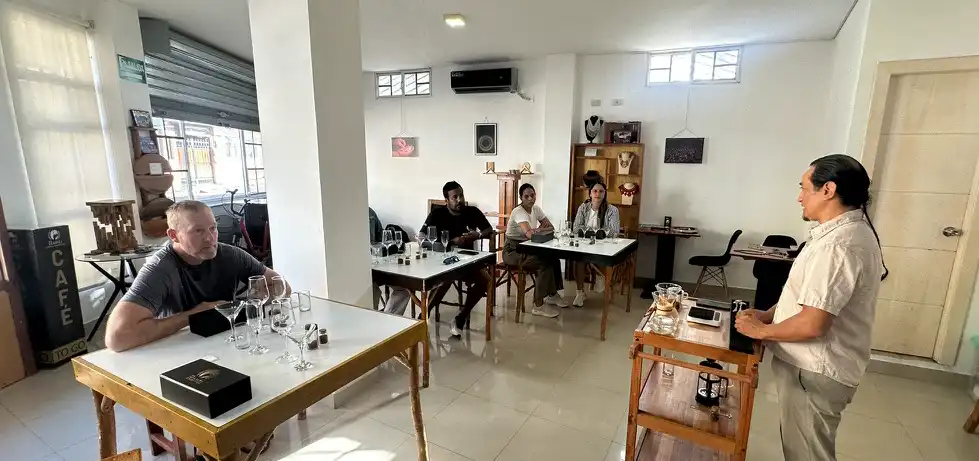
Recently, our Galakiwi team was invited to take part in a coffee experience with Ranti Coffee, a local brand working with island coffee producers to showcase the variety of coffee grown in the Galápagos.
What followed was much more than a coffee tasting. Through demonstrations, hands-on activities, and conversations about local production, we discovered just how much happens before a cup of coffee reaches the table.
From Coffee Cherries to Different Flavors
The experience began with a closer look at the coffee cherry itself. We learned about its different layers, how the beans are extracted, and why the decisions made during processing can have such an impact on the finished coffee.
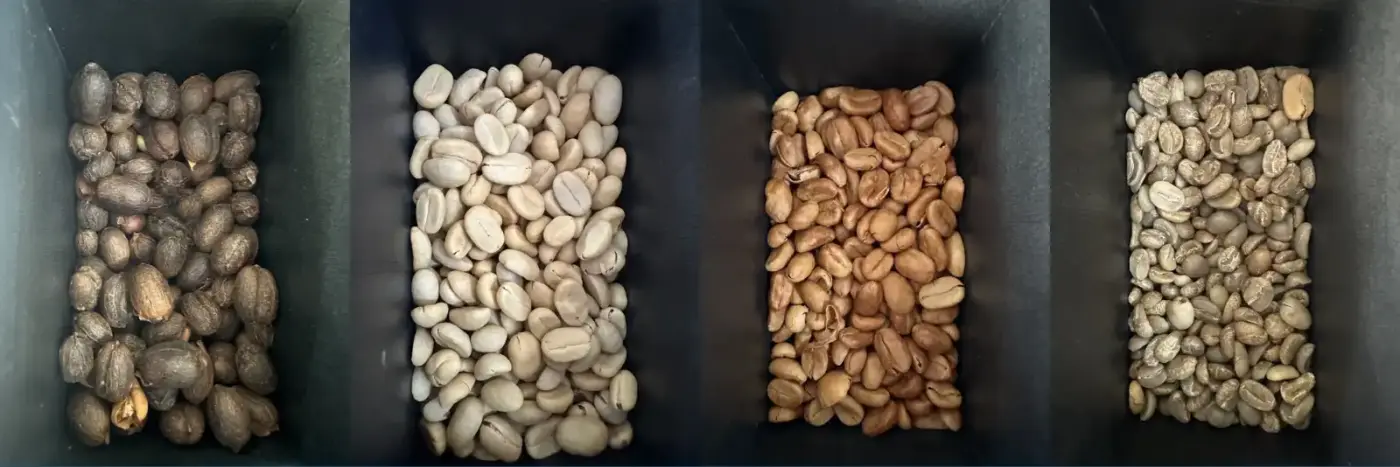
One of the most interesting parts was exploring the differences between natural, washed, and double-fermented coffees.
Although they all begin with coffee cherries, the way the fruit is removed, the beans are fermented, and the coffee is dried can influence its aroma, acidity, sweetness, and body.
During the tasting, we were encouraged to pay attention to these characteristics rather than simply deciding whether we liked a particular cup. We also sampled coffees from different Galápagos farms, discovering how processing methods and growing conditions can create different tasting experiences.
Discovering New Ways to Experience Coffee
The tasting introduced us to some preparations we don’t usually associate with a traditional cup of coffee.
We tried a cascara infusion, a caffeine-free preparation made using the fruit surrounding the coffee bean, and watched a demonstration of the brewing method, which is designed to capture and enhance coffee aromas during preparation.
These were interesting ways to explore how different parts of the coffee fruit and different brewing techniques can be used.
The experience also brought in other locally produced ingredients. We enjoyed a dessert paired with an espresso martini made using Galápagos coffee and locally produced rum, opening up a conversation about rum production and the possibilities for creating more value from agricultural products grown in the islands.
More Than a Coffee Tasting
What stayed with our team wasn’t only the range of flavors and preparations. It was the way Ranti Coffee connected each part of the experience to the people growing, processing, and developing these products.
As Crystal from our team reflected:
“Beyond simply tasting coffee, the experience told the story of local coffee production, the science behind specialty coffee, and the vision of creating a premium tourism product that supports Galápagos farmers and adds value locally. ”-Crystal
The experience brought together local history, hands-on learning, and tasting in a way that made coffee production easier to understand and appreciate.
You don’t need to be a coffee expert to enjoy something like this. Being curious, asking questions, and discovering how much work goes into a familiar drink are all part of the experience.
And for our team, it was another opportunity to learn directly from the people developing local products and sharing their knowledge of the Galápagos.
How Can You Experience Galápagos Coffee During Your Trip?
You don’t need to be a coffee enthusiast to discover this side of the Galápagos. Whether you have time for a quick cup or want to learn more about the production process, there are different ways to explore the islands’ coffee culture.
- Visit a local coffee shop. One of the simplest ways to start is by ordering a cup of locally grown coffee. On San Cristóbal, Ranti Coffee welcomes visitors, offering an opportunity to discover coffee produced in the islands. You can also ask cafés and hotels whether they serve Galápagos-grown beans.
- Take part in a coffee tasting. For a more in-depth experience, look for tastings that introduce different coffee varieties, processing methods, and brewing techniques. As our team discovered with Ranti Coffee, these experiences can also offer interesting insights into the people and stories behind local production.
- Learn about coffee production. Depending on the island and availability, visiting a coffee farm or producer can provide a closer look at how coffee is cultivated, harvested, and processed in the Galápagos highlands.
At Galakiwi, we enjoy helping travelers discover these locally rooted experiences alongside the islands’ wildlife and landscapes. If coffee is something you’d like to explore during your trip, let our team know. We can help you look into available options that fit your itinerary and interests.
Complement Your Galápagos Tour With Local Coffee Experiences
A Galápagos trip is an opportunity to discover remarkable wildlife and landscapes, but it can also introduce you to the people, products, and traditions that shape everyday life on the islands.
Coffee offers a small but meaningful way to make that connection. Behind every cup is a story about growing conditions, agricultural work, local businesses, and the challenges of producing something special in a remote environment.
Our experience with Ranti Coffee reminded us that some memorable travel moments happen away from the main attractions. Sometimes, they happen around a table, tasting something new and learning from the people who make it.
If you love coffee, ask us about adding a local coffee experience to your Galápagos itinerary. Whether you have time for a dedicated tasting or simply want to discover a good local cup, it is another way to experience the islands through the people who call them home.
| |