
September 14, 2026
Meeting the Galápagos Through the Eyes of an Explorer: Danie Ferreira’s Search for the Galápagos Penguin
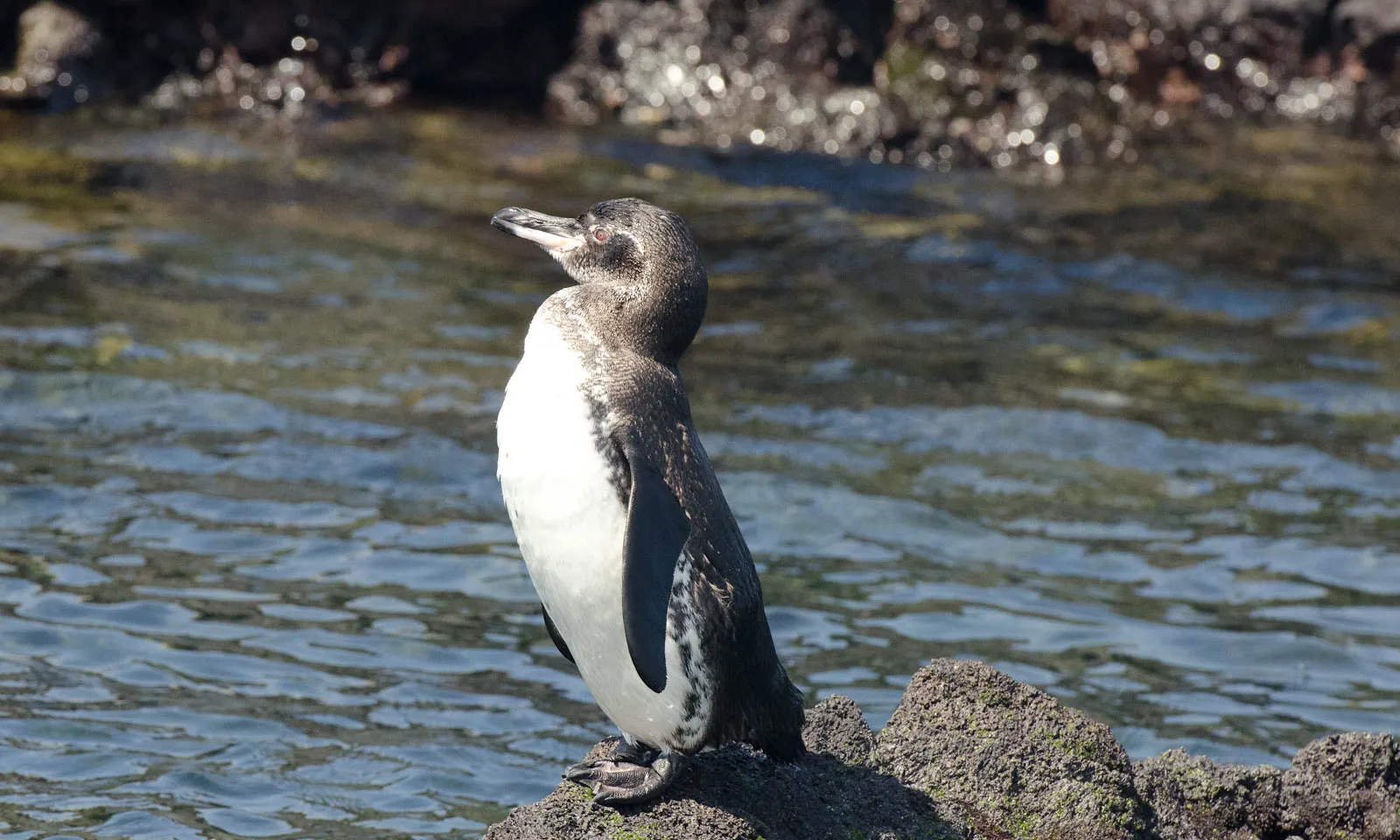
The Galápagos is home to wildlife found nowhere else on Earth, but few species challenge our expectations quite like the Galápagos penguin.
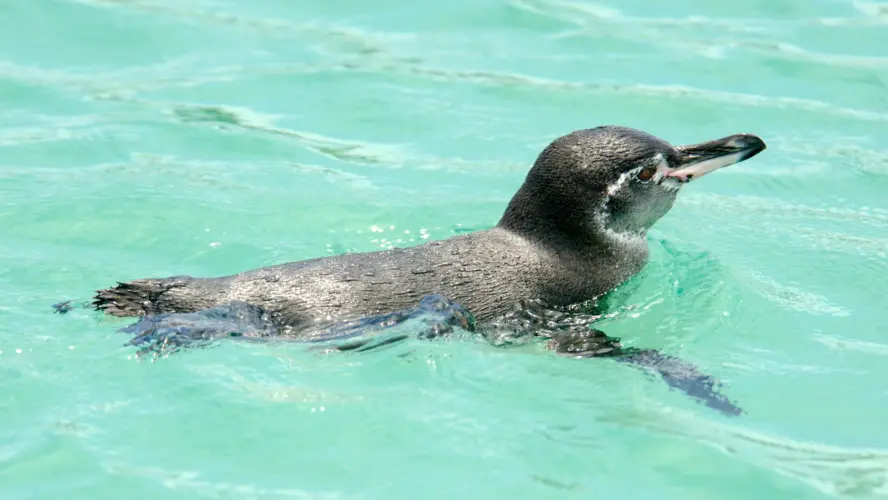
Endemic to the archipelago, this remarkably small penguin is the only penguin species found north of the equator. With an estimated 2,000 to 3,000 individuals spread across the archipelago, it is also one of the most endangered penguin species in the world. For many travelers, the possibility of seeing one is reason enough to dream about a trip to the islands.
For Danie Ferreira, however, the Galápagos penguin represented something more.
Danie isn’t the kind of traveler who simply collects destinations. He is an adventurer, photographer, videographer, writer, and wildlife storyteller, usually drawn to colder destinations where wildlife can still surprise you and where capturing the right moment requires effort, patience, curiosity, and a willingness to go beyond the usual paths.
Through his work, Danie seeks to convey the remoteness and character of the places and wildlife he encounters. His curiosity and adventurous spirit are qualities we deeply admire, which made it a pleasure for us to help organize his Galápagos adventure.
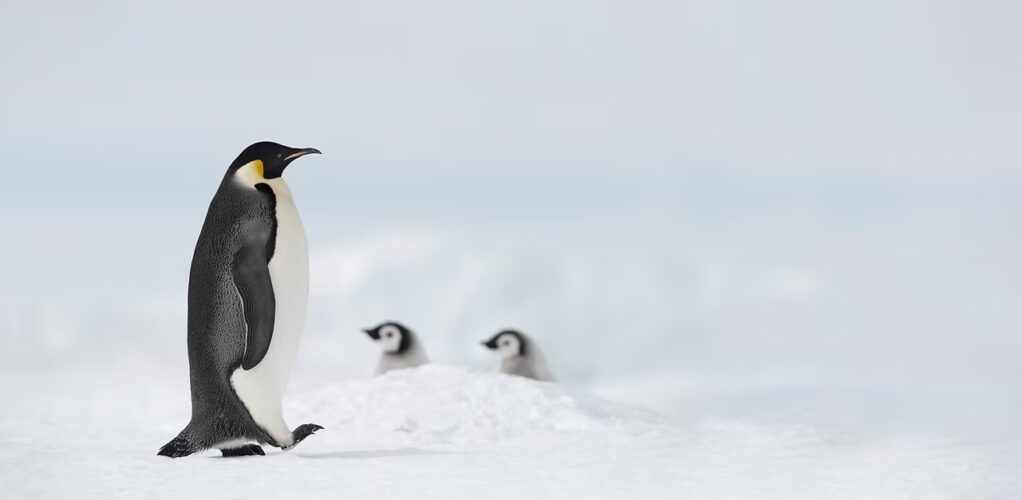
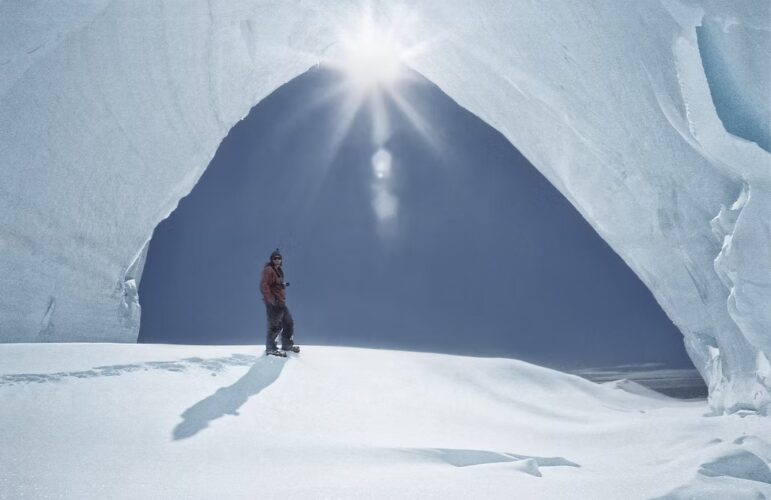
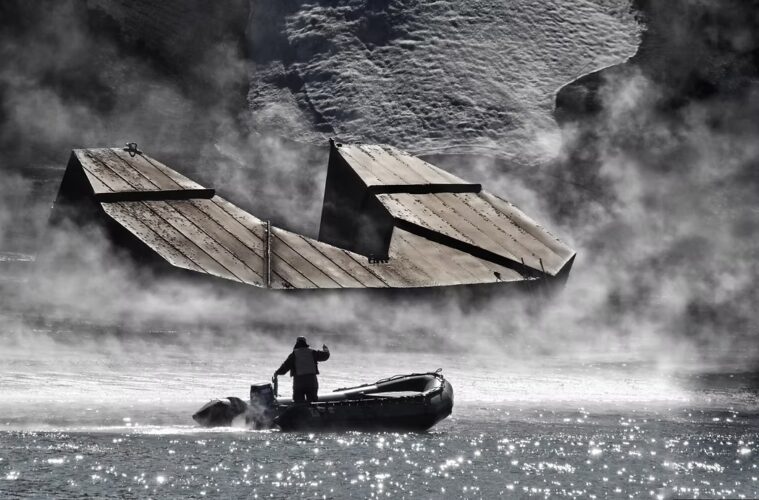
Penguins have long been an important part of his story. Danie has photographed them from Antarctica to the subantarctic, documenting them in landscapes where nature can feel vast, isolated, and almost untouched.
But one species remained.
The Galápagos penguin.
What began as a desire to photograph this unusual species became an opportunity to understand the ecosystem surrounding it and experience the people and conservation work helping protect the islands.
This is the story of that journey.
A Missing Piece of a Much Bigger Story
What made the Galápagos penguin so compelling to Danie wasn’t simply that he hadn’t photographed one before. After years of seeking out penguins in some of the world’s wildest and most remote places, the Galápagos offered a completely different setting and a new perspective on the species he had spent so much time documenting.
But the significance of the journey extended far beyond the penguin itself. Here was a species living among volcanic landscapes, in a place where wildlife, isolation, and evolution converge in ways that have shaped our understanding of the natural world. The Galápagos offered not just another penguin to photograph but another piece of the much bigger story.
As Danie explained:
“For me, the Galápagos represented one of the final missing pieces of a much larger story. I’ve spent years photographing penguins in Antarctica, the subantarctic islands, New Zealand, Australia, South Africa, Argentina and Chile, but the Galápagos Penguin is unlike any other. It’s the only penguin living permanently at the equator—a species that challenges everything we think we know about where penguins belong. Beyond that, the islands themselves are where so much of our understanding of evolution began. To stand in a place that has shaped humanity’s understanding of nature felt incredibly significant.”
But the penguin was only part of the reason Danie wanted to come to the Galápagos.
For someone who spends so much time documenting wildlife, seeing an animal is only the beginning. Understanding the environment around it, the people who protect it, and the forces that shape its behavior can make an encounter far more meaningful.
Danie arrived having already done his research, but he knew there were things he could only understand by being here.
“Being introduced to the Galápagos Penguin was undoubtedly at the top of the list, but I was equally excited to experience the islands as a living ecosystem. I’d read countless scientific papers and spoken to researchers before arriving. Yet, I knew the real understanding would come from being there—seeing the volcanic landscapes, being in the ocean, navigating the mangroves, encountering the unique wildlife, and meeting the people who have dedicated their lives to researching and protecting these extraordinary islands.”
Building a Journey Around Curiosity
A highly specialized wildlife trip requires more than simply choosing a destination.
For Danie and his wife, Suzette, the goal was to create a journey that allowed them to explore the Galápagos at a deeper level while giving Danie the opportunities he needed to photograph and experience the wildlife he had traveled so far to find.
Karen and Laura from Galakiwi worked closely to understand what they were hoping to experience, answer their questions, and build a journey around their priorities.
That meant thinking beyond a standard itinerary.
Where would conditions offer the best opportunities? How could they spend enough time in the water? Which experiences would allow Danie to photograph wildlife without rushing? How could the journey include not only the Galápagos penguin, but the landscapes, marine ecosystems, conservation stories, and people that give the islands their character?
This kind of planning is important for travelers with a specific wildlife interest. Nature cannot be scheduled, and no responsible operator can promise a particular animal will appear. What a good local team can do is understand the islands, monitor conditions, listen carefully to what travelers hope to achieve, and create the best possible framework for those encounters.
And then, eventually, Danie and Suzette arrived.
When Wildlife Shares the Island With You
Among all the remarkable things Danie encountered in the Galápagos, one of the biggest surprises wasn’t a rare species.
It was the relationship between wildlife and everyday island life.
After years of traveling to remote places where wildlife encounters can require days of waiting and difficult logistics, Danie found something different in the Galápagos..
Here, wild animals can sometimes be encountered in the middle of communities.
Sea lions roam beaches alongside people without a worry. Curious finches sometimes like to get too close to humans. Wildlife moves through places where people are simply going about their everyday lives.
Yet these animals remain wild.
That closeness became one of the defining characteristics of the Galápagos experience for Danie.
“The intimacy between people and wildlife surprised me most. Animals here go about their lives while sharing space with people. Marine iguanas bask on walkways, sea lions sleep on benches in local villages, blue herons and Pelicans stand next to the local fishmonger, waiting for spills. It’s not because they’re tame; it’s because the conservation ethic here has allowed wildlife to exist without constantly fearing people. That creates encounters that feel remarkably authentic.”
For a photographer and wildlife storyteller, that distinction matters.
The Galápagos doesn’t necessarily require you to travel farther and farther away from people to find wildlife. Sometimes the extraordinary is happening right beside you.
From the Arctic to the Galápagos
Danie’s photography often takes him to places that feel like the end of the world.
His images from the Arctic and Antarctica capture wildlife against immense landscapes: endless ice, remote coastlines, harsh weather, and environments where every encounter feels hard-earned.
That background gave him a unique perspective when he arrived in the Galápagos.
Instead of comparing the islands simply in terms of which destination has the most impressive wildlife, Danie noticed how fundamentally different the experiences are.
“They’re completely different experiences. In Antarctica and the sub-Antarctic, wildlife often feels vast and overwhelming—immense colonies against an endless backdrop of ice. In the Arctic, every encounter is hard-earned, shaped by challenging logistics and harsh conditions. The Galápagos is embracing and intimate. The scale is smaller, but the diversity is extraordinary. Within a single day you can snorkel with penguins, sea turtles, reef sharks, seahorse and sea lions, photograph marine iguanas, be in the middle of a blue-footed boobie and pelican feeding frenzy, and encounter giant tortoises. It constantly reminds you that evolution has produced countless remarkable solutions to survival.”
For someone who has spent years photographing wildlife around the world, the concentration of life we have in the islands genuinely creates a very different kind of adventure, one where remarkable, unique wildlife moments can unfold one after another, both above and below the water.
Guiding the Search
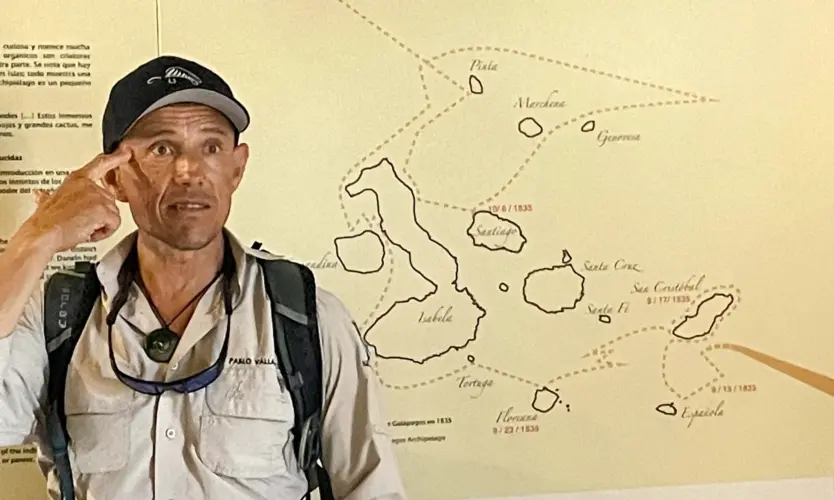
Pablo Valladares, a certified naturalist guide who works with Galakiwi, brought his local knowledge and experience to the trip, helping Danie make decisions as conditions and opportunities unfolded.
For a journey built around one very specific .goal, that knowledge mattered, but so did patience. Pablo knows his home island of Isabela and its surrounding waters extremely well, including areas where penguins are often active, but knowing the island doesn’t mean controlling its wildlife. The plan needed to remain flexible, adapting to conditions, recent activity, and whatever nature presented on the day.
For Pablo, the result was a highly specialized wildlife journey he really enjoyed guiding.
“Guiding Danie Ferreira was a different kind of experience because he was looking for something very specific: to photograph Galápagos penguins during a land-based journey. He had already documented the other 17 penguin species in the world through photography, and the Galápagos penguin was the one he was missing.
He came to our beautiful islands with Galakiwi, and as his guide, I made sure to look for the places where we would have the greatest chances of finding penguins. This wasn’t a typical experience where you visit certain sites along a predetermined route. It was very different and highly specialized.
I drew on my experience and knowledge of Isabela to guide Danie, patiently exploring the area until we achieved our goal.”
After more than two decades of guiding in the Galápagos, Pablo understands that specialized wildlife encounters can require time. He had been closely monitoring penguin activity in the area and, throughout the search, drew on his knowledge of Isabela and recent sightings to adjust the plans. This meant allowing more time for exploring, snorkeling, waiting, and simply observing.
Sometimes the best opportunity comes from changing the timing, spending longer at a location, or simply being willing to get back into the water when conditions are right.
And sometimes, searching for one animal leads to something completely unexpected.
On one outing, they headed to an area where Pablo knew there was a high probability of encountering penguins. The opportunity they had hoped for didn’t materialize. But something else did.
“Another incredible part of the journey was visiting a spot where penguins are usually found, only to discover hundreds of blue-footed boobies instead. Although Danie didn’t find many penguins there because of the distance, we witnessed an extraordinary spectacle. Hundreds of boobies were diving into the water to feed, moving in remarkable coordination. Seeing them plunge into the water together, accompanied by the sound of their dives, was wonderful and impressive. We had some truly memorable moments.”
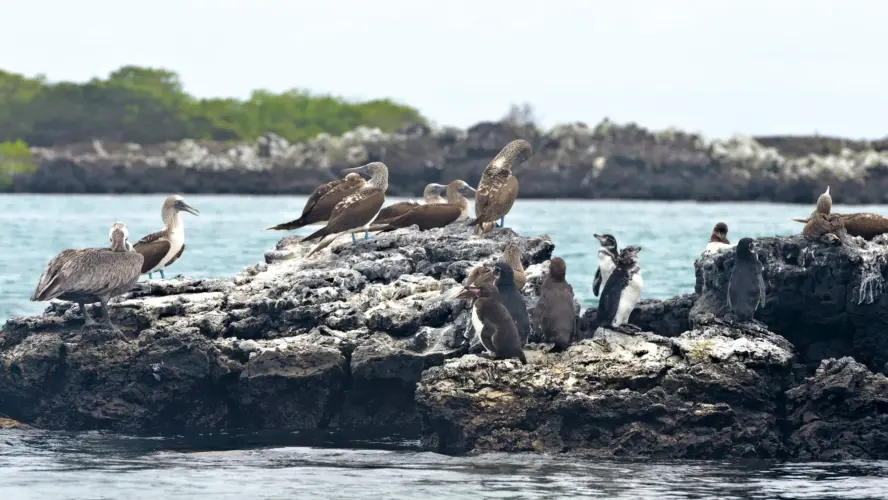
It’s a fitting example of what searching for wildlife in the Galápagos can be like. You can have a clear objective and excellent local knowledge, but the islands still decide what surprises await along the way.
For Pablo, guiding a journey with such a specific purpose also offered an opportunity to experience familiar places through the curiosity of an adventurer seeing them for the first time. For him, every trip brings something different, but this one was particularly memorable.
“It was a marvelous experience, not only for Danie, but for me as well.
As a guide, it’s not just about being in a particular place and showing it to a guest. It’s also about learning to enjoy those moments yourself and sharing that enjoyment with travelers. You have to take it all in and allow them to take it all in as well.”
Finally Meeting the Galápagos Penguin
Of course, there was one encounter at the center of this journey.
The Galápagos penguin.
Danie was already intimately familiar with penguins. His travels had brought him close to some of the world’s most iconic species, from Emperor penguins to Adélie penguins, allowing him to observe their behavior across dramatically different environments.
But seeing the Galápagos penguin in its own environment was something entirely new.
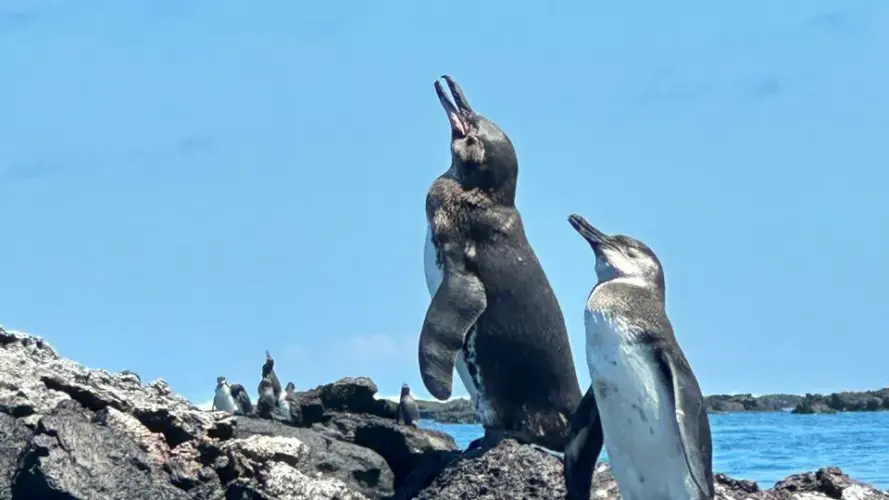
This small penguin has adapted to life in a place where most people would never expect to find one. Rather than Antarctic ice, its world is shaped by volcanic islands, nutrient-rich waters, warm temperatures, and sharing ecosystems with cold-blooded species like iguanas. These penguins, like many of the species we have in the islands, tell a tale of resilience and nature’s ability to adapt.
And for Danie, experiencing that adaptation firsthand was particularly powerful.
“It was deeply emotional. Here is a penguin that has evolved to adapt to changing conditions. Unlike many other penguin species, the Galápagos penguin adapts to ever-changing conditions, whether El Niño or La Niña. Every penguin species tells its own story, and this is unique. As an experience, what stood out most to me was sharing the water with them. Underwater, they transform completely, becoming impossibly agile and graceful. Watching them hunt beneath the surface, darting effortlessly through schools of fish, you realise they are as much creatures of the ocean as they are birds. Experiencing that firsthand was one of the highlights of my entire Penguin People journey. Here, credit must be given to the enthusiasm of Pablo Valladares, who made sure we were in the water as many times as possible.”
For this journey, the Galápagos penguin wasn’t something Danie wanted to simply check off a list.
He wanted to understand it through observation, photography, and time in the water.
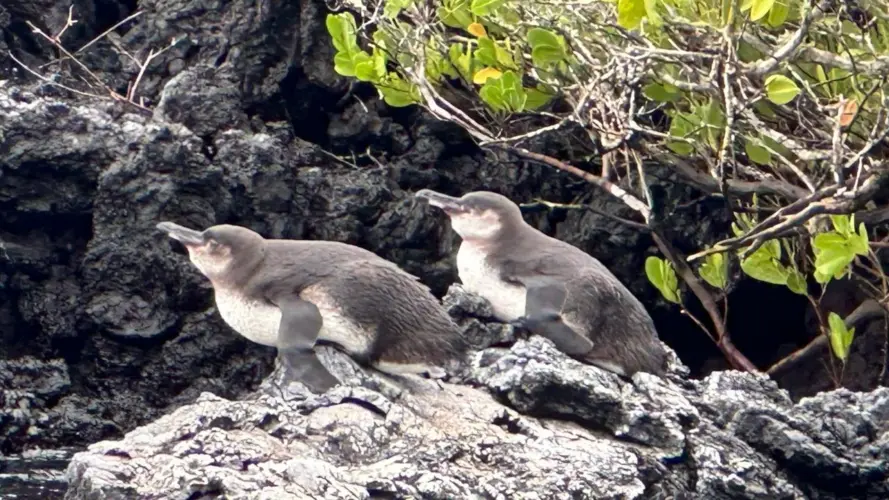
And luckily the conditions were perfect. After a period when relatively few penguin pairs had been observed around Puerto Villamil, activity had increased again, and Danie arrived as several penguins returned to the bay.
For Pablo, seeing the conditions come together was rewarding.
“Distance, light, and animal activity all came together to create an incredible experience. In Puerto Villamil, we had the opportunity to photograph a breeding pair of penguins in beautiful light, both on land and in the water. It was incredibly rewarding, especially because only a few weeks earlier, after a period of around three months when we had seen very few penguin pairs, we arrived at a time when several penguins had returned to the bay. Seeing around 15 penguins there when Danie first arrived was very satisfying.”
For a journey built around a wildlife encounter that could never be guaranteed, moments like this are a reminder that, when it comes to truly wild encounters, there is no script, only patience.
The Encounter He Had Been Waiting For
After traveling so far and spending years photographing penguins around the world, Danie is definitely an experienced explorer. Now that he visited the islands, we had to ask Danie about his favorite memory overall from his Galápagos adventure.
There was an obvious answer.
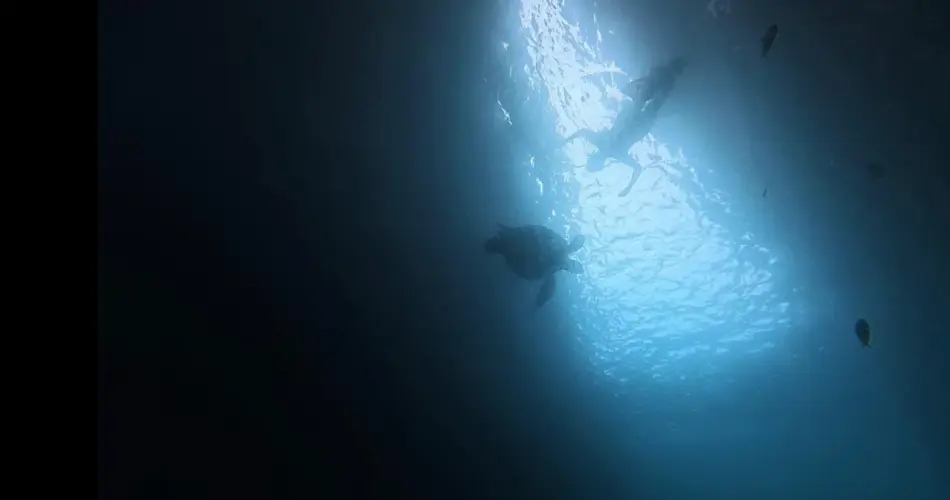
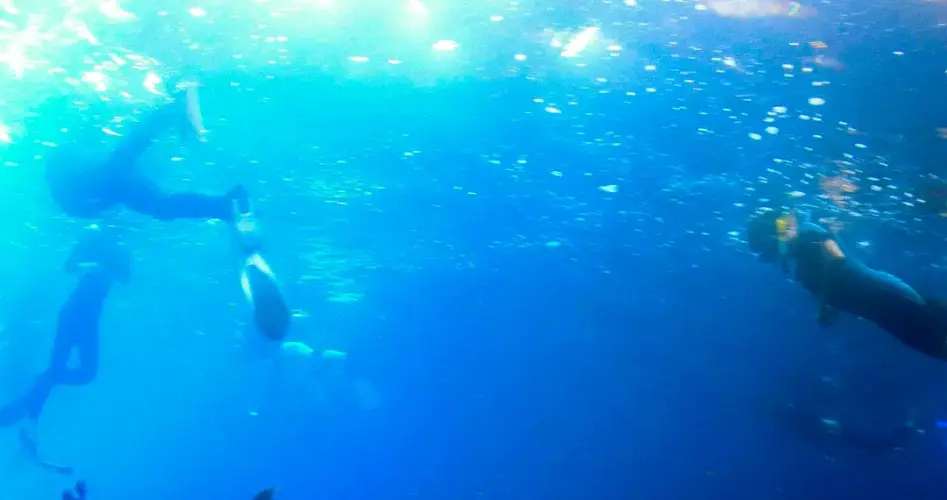
“Without question, snorkelling with Galápagos Penguins. Seeing them underwater was unforgettable. I’d spent years wanting to get into the water with penguins, and somehow reality exceeded every expectation. Watching them accelerate through the water with incredible speed and precision reminded me why penguins have captivated me for so many years. It wasn’t just an observation—it was entering their alternative universe.”
There is something particularly special about seeing a Galápagos penguin underwater.
From the surface, they can appear small and almost calm. Beneath the water, their personality changes completely. They become fast, agile hunters, moving through the ocean with remarkable precision.
After years of searching, researching, photographing, and imagining the encounter, Danie finally had his moment with the species that had brought him to the islands in the first place.
And it is easy to understand why, for someone who had spent years dreaming of entering that underwater world, the experience meant so much more.
What Stayed With Danie After the Galápagos
Eventually, every adventure ends.
Danie and Suzette returned home to South Africa, carrying photographs, memories, and stories from their time in the islands.
But when we asked what stayed with him most about this experience, the answer wasn’t the penguins.
It was the people.
The researchers, guides, conservationists, and local residents who dedicate their lives to the Galápagos gave him another perspective on the destination.
“The people. Before arriving, I expected extraordinary wildlife. What I hadn’t anticipated was meeting such passionate conservationists whose lives are completely intertwined with these islands. Spending time with naturalist and guide Pablo Valladares on Isabela Island, meeting Aura Banda Cruz in Puerto Ayora and Dr Gustavo Jiménez at the Charles Darwin research station gave me a far deeper appreciation for the decades of dedication behind every conservation success. It reminded me that protecting wildlife is ultimately about people choosing, every single day, to care enough to make a difference.”
And perhaps this is one of the most important lessons of exploring the Galápagos.
The wildlife may be what first brings travelers here, but understanding the people and conservation work behind its protection can completely change the way you see the islands.
For travelers dreaming about their own Galápagos adventure, Danie’s advice reflects something we strongly believe in at Galakiwi.
Danie’s Advice for Future Galápagos Travelers
Come curious.
There will be wildlife you hope to see, places you want to visit, and photographs you dream of taking. But some of the most meaningful moments may happen between those plans. When you are talking to your guide, maybe after a log day exploring just having a quiet walk on local communities. Even visiting research centers and getting a glimpse into the conservation work protecting the species you traveled so far to see.
Danie’s advice is simple:
“Go with curiosity rather than a checklist. Of course you’ll see remarkable wildlife, but the Galápagos is much more than ticking off sightings on a list and grabbing a selfie with a giant tortoise. Take time to understand the stories behind what you’re seeing—the ocean currents that make life possible, the conservation challenges, and the extraordinary people working to protect these islands. Those stories are what stay with you long after you’ve returned home.”
It’s advice that feels fitting for the Galápagos, and we loved hearing that having an open mind is what makes a trip better
Nature here cannot be controlled, and wildlife encounters cannot be guaranteed. But when you give yourself the time and space to observe, learn, and explore, the islands often give you something far more meaningful than a checklist.
Why Danie Chose Galakiwi
We were incredibly honored to have Danie and Suzette travel with us.
Helping them pursue such a specific goal, while also allowing them to experience the Galápagos beyond the highlights, was a journey we genuinely enjoyed being part of.
For a specialized wildlife trip, understanding the destination is only part of the job. You also need to understand what the traveler is trying to achieve.
Danie came to us with a very specific purpose, and our first conversations focused on his priorities, the conditions he needed, and how our local knowledge and connections could help shape the journey. His experience with Galakiwi began with a series of conversations about what he wanted to accomplish and how we could help make it possible.
As he explains:
“As someone travelling to document landscapes and wildlife, I regularly engage local facilitators, whether it is Mongolia, Patagonia or Greenland. In my initial exploratory emails to a variety of operators in the Galapagos, Galakiwi was the only facilitator who responded to my request timeously, asked insightful questions, quickly understood my priorities, and provided practical solutions.
They didn’t simply show me wildlife—people like Pablo Valladares helped me understand local regulations, local conditions and unique animal behaviour. Galakiwi has a deep connection with the local people on all the islands I was interested in visiting. They were responsible for subtle details that transformed every encounter into something meaningful. Tim Cooney’s personal touch exceeded my expectations, not only through seamless organisation but also by pitching up at both the airport and the harbour a few times to help with logistics and create a stress-free, authentic experience. Galakiwi was completely aligned with why I came to the Galápagos in the first place.”
Danie arrived in the Galápagos with a very specific goal: to meet the world’s only penguin that lives north of the equator.
He left with much more.
He experienced the Galápagos underwater, from the perspective of a penguin moving through volcanic waters. He explored landscapes shaped by millions of years of geological change. He encountered wildlife living alongside island communities. He met people whose lives are deeply connected to conservation and to the islands themselves. And he saw how different the Galápagos feels from the frozen environments where he had photographed penguins before.
Perhaps that is what makes an adventure like this so meaningful.
The Galápagos penguin may have been the reason Danie came, but the people, wildlife, landscapes, and stories surrounding it became part of a much bigger journey.
For us at Galakiwi, that’s exactly the kind of travel we love creating: journeys shaped around curiosity, meaningful wildlife encounters, local knowledge, and the freedom to go beyond simply passing through the islands.
Explore Danie’s incredible work on his website and keep an eye out for the Galápagos images he captured along the way.
| |