
October 19, 2026
Floreana Island: A Complete Guide to Exploring the Galápagos’ Historic Island
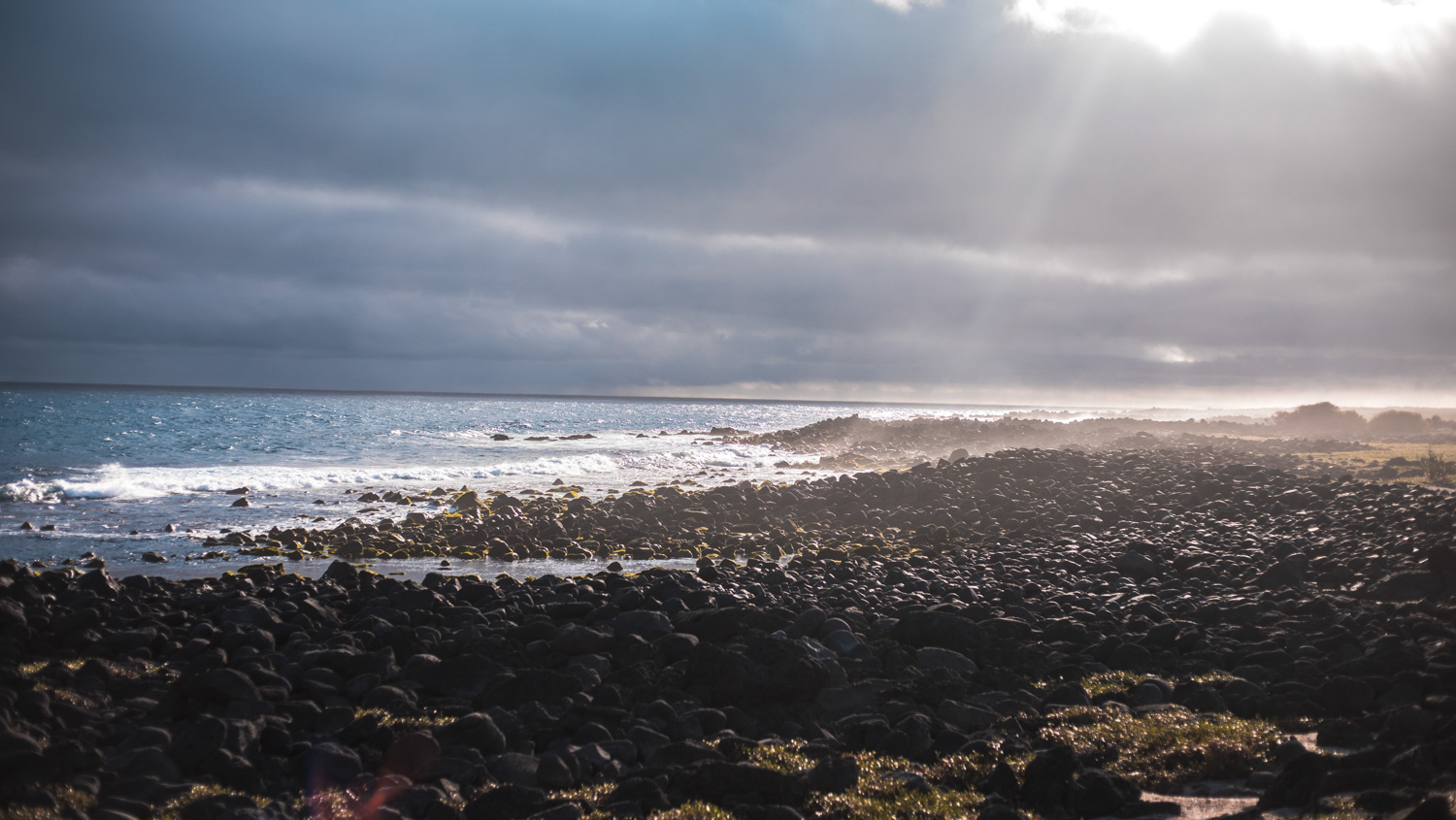
Of all the inhabited islands in the Galápagos, Floreana may be one of the most intriguing.
It is one of the smaller and more remote inhabited islands in the archipelago, with a small local community and a landscape that brings together volcanic formations, coastal habitats, and greener highlands. But what really makes Floreana different is the way its natural history and human history are woven together.
Long before it became a destination for travelers, Floreana was visited by sailors, whalers, and pirates. Later, it became one of the first Galápagos Islands to have a permanent human settlement. Its story includes ambitious settlers, difficult living conditions, conservation challenges, and a still-discussed chapter involving several residents who arrived in the 1930s.
Today, exploring Floreana means experiencing these different layers of the island for yourself. Wildlife, volcanic landscapes, historic sites, and the stories of people who have made a life here all become part of the journey.
Why Visit Floreana?
Floreana feels different from the moment you arrive.
Its human history is unlike anywhere else in the Galápagos, with stories of early settlers, isolation, survival, and mystery that have become inseparable from the island itself. We’ll explore those stories in more detail later.
Its small community gives the island a very different atmosphere from the busier inhabited islands. Life here moves at its own pace, and spending time on Floreana gives you a glimpse of what living on one of the archipelago’s more remote inhabited islands is actually like.
Floreana also has one of the Galápagos‘ most interesting conservation stories. Centuries of human activity and introduced species changed the island’s ecosystems, but ambitious restoration work is now focused on helping native wildlife and habitats recover.
And then there’s the experience of staying overnight. When visiting boats have departed and the day grows quieter, you get to experience a side of Floreana that a short visit can’t really capture.
Those are some of the reasons Floreana stands apart, but they’re only part of its story. Its wildlife and the places you’ll explore around the island reveal even more about what makes Floreana unique.
Iconic Wildlife of Floreana Island
Floreana’s history may draw many visitors to the island, but its wildlife tells another important part of its story.
Some of the species associated with Floreana have been deeply affected by human settlement and introduced species. Today, they are also at the heart of ambitious efforts to restore the island’s ecosystems.
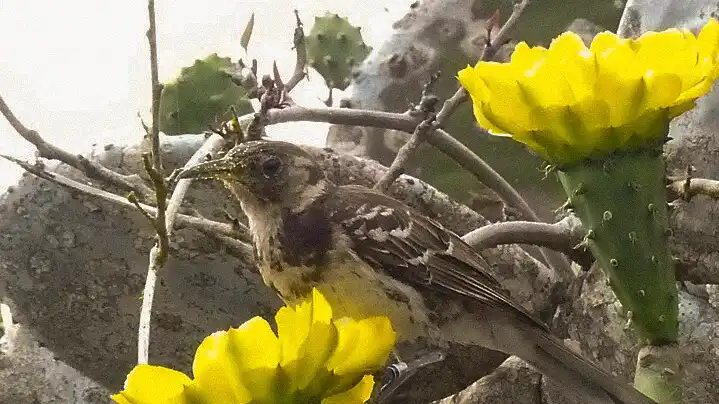
Floreana Mockingbird
The Floreana mockingbird is one of the island’s most significant endemic species, even though you won’t currently find it on Floreana itself.
The species disappeared from the main island and survived on small islets just offshore. Its story shows how vulnerable island wildlife can be when habitats change and introduced species arrive.
Today, restoration efforts on Floreana are creating the possibility that the mockingbird could one day return to the island where it evolved.
That makes the Floreana mockingbird much more than another species to add to a wildlife list. Its absence, and the work toward its possible return, helps tell the wider conservation story unfolding across the island.
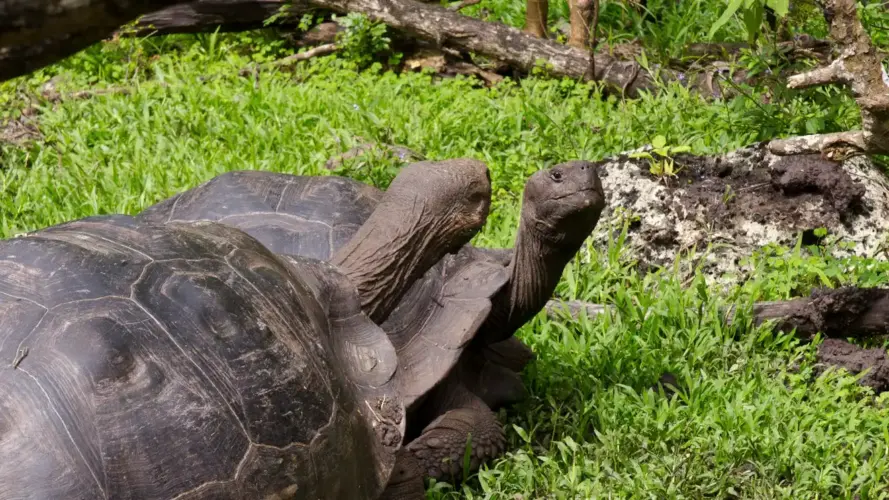
Giant Tortoises and a Story of Return
One of Floreana’s most remarkable conservation stories involves an animal that disappeared from the island generations ago: its giant tortoise.
The original Floreana giant tortoise population was lost following centuries of human exploitation and the effects of introduced species. For a long time, returning something resembling the island’s original tortoise population seemed impossible.
Then researchers studying giant tortoises on Isabela discovered individuals carrying genetic ancestry linked to Floreana tortoises.
That discovery created an extraordinary conservation opportunity.
Through careful breeding and restoration work, conservationists have been working to preserve that genetic legacy and support the return of giant tortoises to Floreana.
It’s a story that changes the way you think about conservation. Protecting the Galápagos isn’t only about preserving the wildlife that’s here now. On Floreana, it’s also about repairing some of the ecological damage of the past and, where possible, bringing important pieces of the ecosystem home.
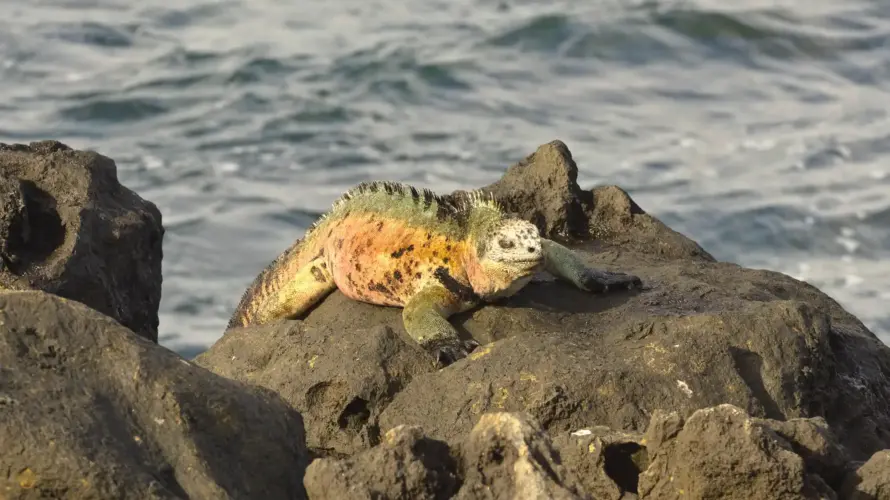
Floreana Marine Iguanas
Marine iguanas are found across the Galápagos, and Floreana is another place where you may encounter them along the volcanic coastline.
Marine iguanas vary from island to island, and Floreana’s are known for their striking colors. During mating season, they display vibrant red and green hues to attract mates.
Watch for them warming themselves on the rocks between trips into the ocean to feed on algae. Their ability to move between land and sea is one of the remarkable adaptations that makes Galápagos wildlife so interesting to observe.
Back on shore and around the island, there’s plenty more to watch for, from Darwin’s finches and other land birds to seabirds passing along the coast. As always in the Galápagos, the most rewarding encounters often come from slowing down and paying attention to whatever happens to be there.
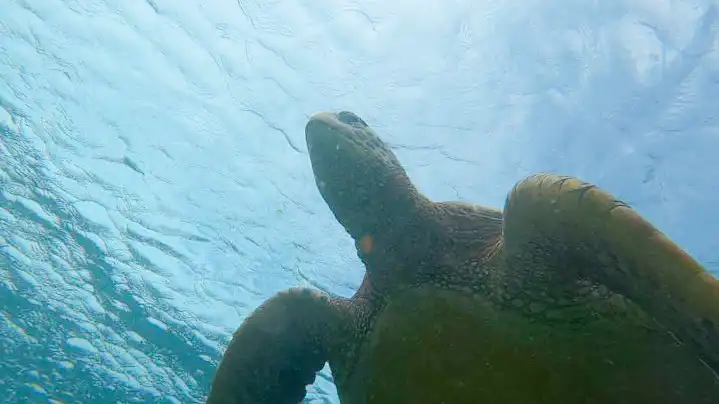
Sea Turtles and Marine Life
Floreana’s wildlife story continues underwater.
Around its coast, you may encounter green sea turtles, sea lions, tropical fish, and other marine life, with the species you see depending on the site, season, and conditions.
We’ll explore snorkeling in more detail later, but getting into the water provides a completely different perspective on an island whose story is so often told from the land.
Facts About Floreana Island
Here are a few quick facts to help you get to know the island:
Location: Southern Galápagos archipelago
Main settlement: Puerto Velasco Ibarra
Population: Approximately 150 to 180 inhabitants
Landscape: Volcanic coastlines, beaches, dry coastal areas, and greener highlands
Known for: Human history, the Post Office Barrel, endemic wildlife, conservation, and its quiet atmosphere
Wildlife: Marine iguanas, sea lions, sea turtles, birds, giant tortoise conservation
Best for: History, wildlife, snorkeling, photography, and travelers who enjoy quieter destinations
Accommodation: Small-scale local stays
Getting there: Inter-island transportation, with schedules that require advance planning
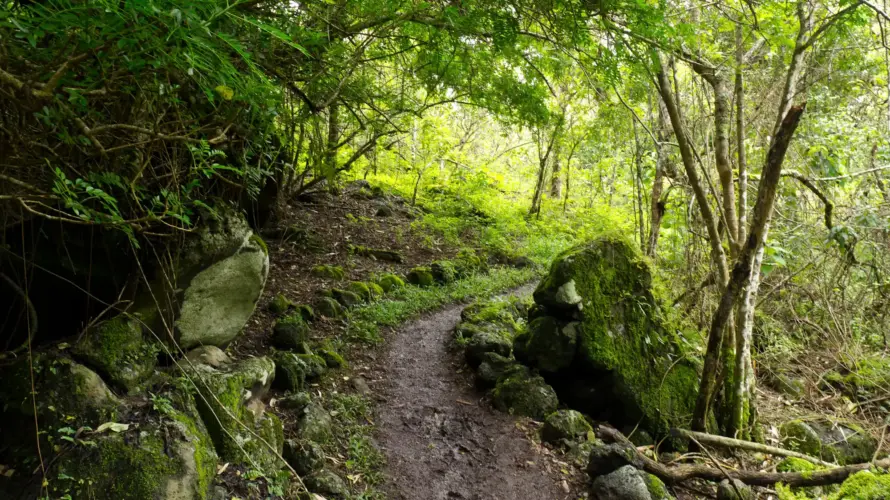
How Floreana’s Landscape Shaped Island Life
Floreana’s volcanic landscape has influenced much more than what the island looks like. It has helped shape where wildlife lives, where people settled, and how island life developed.
Along the coast, Floreana can feel dry, open, and unmistakably volcanic, with rocky shores, beaches, and lava formations revealing its geological origins. Travel into the highlands, however, and the island begins to change.
As elevation increases, conditions become cooler and wetter, and the vegetation becomes noticeably greener. These differences create a range of habitats within a relatively small island, but they have also played an important role in Floreana’s human story.
Freshwater in the highlands made the island particularly significant to early visitors and settlers, while the greener, more productive land offered possibilities for growing food and establishing a permanent community.
That’s what makes Floreana’s geology worth understanding. The volcanic landscape isn’t simply the backdrop to the island’s story. It helped determine where people could live, how they could survive, and ultimately how Floreana developed into the island you experience today.
The Human History of Floreana
Floreana’s landscape helps explain why people have been drawn to the island for centuries.
Sailors, whalers, and other travelers passing through the Galápagos used Floreana as a stopping point, with its freshwater sources making it particularly useful in an archipelago where fresh water could be difficult to find.
Eventually, some visitors came with a different intention: to stay.
From Early Visitors to Permanent Settlement
Floreana became one of the first Galápagos islands where attempts were made to establish permanent settlements.
José María Villamil played an important role in the early Ecuadorian settlement of the Galápagos, including efforts to establish a community on Floreana. Life here, however, was far from straightforward.
The greener highlands provided opportunities for agriculture and access to freshwater, but settlers still had to contend with isolation, limited resources, and the realities of building a life on a remote volcanic island.
Understanding those challenges adds another dimension to exploring Floreana today. The highlands, freshwater, agricultural areas, and tiny modern community are all connected in some way to the long question people here have faced: how do you make a life on an island this remote?
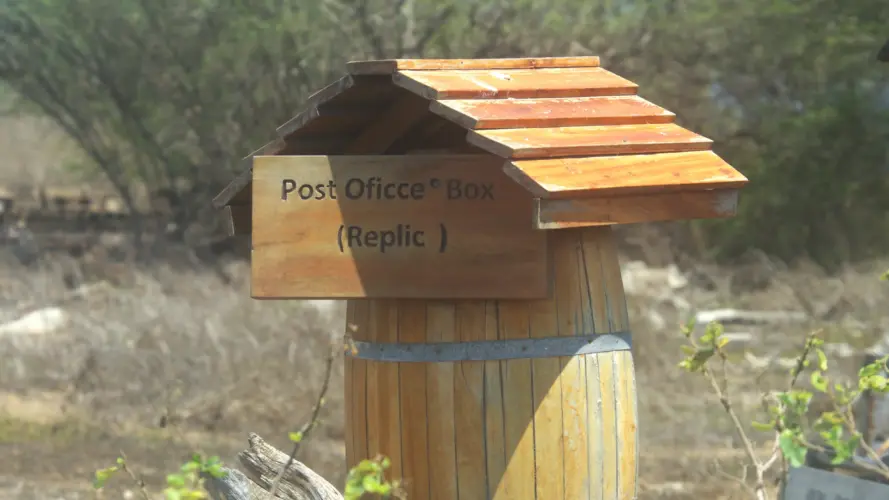
The Galápagos Post Office
One of Floreana’s most unusual traditions began not with permanent settlers, but with sailors passing through.
The Post Office Barrel dates back to the era of whaling ships, when sailors used a barrel on Floreana as an informal mail system. They could leave letters behind, and passing sailors heading toward the recipient’s destination could collect them and deliver them.
No stamps. No formal postal service. Just travelers helping other travelers send messages home.
The tradition continues today. Visitors can leave a postcard in the barrel and look through the mail already there. If you find something addressed to a destination near where you live or somewhere you’re heading, you can take it with you and continue the tradition by delivering it personally.
It’s a wonderfully simple connection between the people traveling through Floreana centuries ago and those arriving today.
The Floreana Mysteries
Then there is the chapter of Floreana’s history that has inspired books, documentaries, theories, and plenty of speculation.
During the 1930s, a small group of European settlers arrived on the island. Among them were Friedrich Ritter and Dore Strauch, the Wittmer family, and the self-named Baroness Eloise von Wagner Bosquet and her companions.
What followed involved difficult relationships, disappearances, deaths, and conflicting accounts of what happened. The story has been retold many times, sometimes with details that blur the line between documented history and legend.
The mystery is fascinating, but there’s another part of this story that becomes particularly interesting when you actually spend time on Floreana.
The Wittmer family’s connection to the island continues today.
On a Galakiwi trip, this history isn’t necessarily something you experience only through a guidebook or a historical marker. Guests can stay at accommodation connected to the Wittmer family and have the opportunity to learn about Floreana from people whose family history is intertwined with the island’s 20th-century settlement story.
That creates a very different relationship with the past. The people from those old photographs and stories stop feeling quite so distant when you’re spending time in the community their descendants still call home.
For those who want to go deeper into the disappearances, competing accounts, and unanswered questions of the 1930s, we’ve explored that story separately in our Galápagos Affair: Satan Came to Eden blog.
What Is There to See and Do on Floreana Island?
Spending time on Floreana is less about moving through a long list of attractions and more about experiencing different parts of the island at a slower pace.
From snorkeling off its volcanic coast to exploring the highlands and spending time around the small community of Puerto Velasco Ibarra, the experiences here bring together many of the stories we’ve already explored.
Snorkel Around Floreana
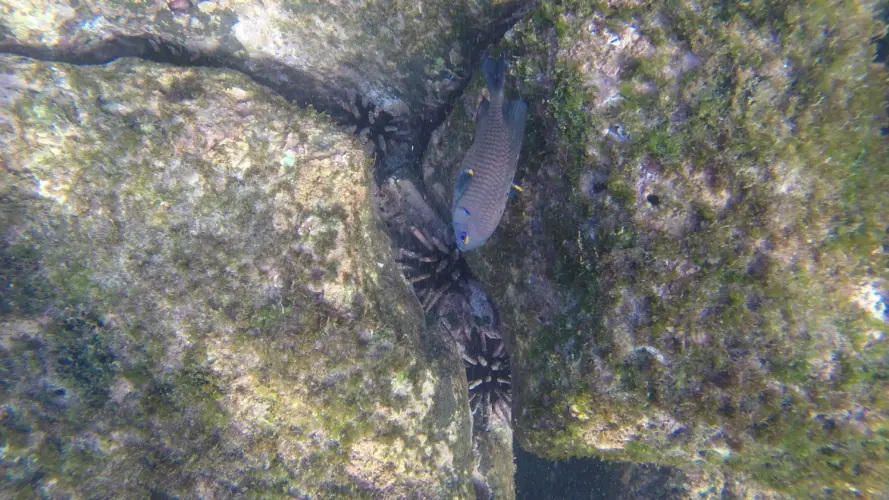
Getting into the water reveals another side of Floreana.
Depending on where you snorkel and the conditions that day, you might encounter sea turtles, sea lions, rays, colorful fish, and other marine life among the rocky coastal habitats.
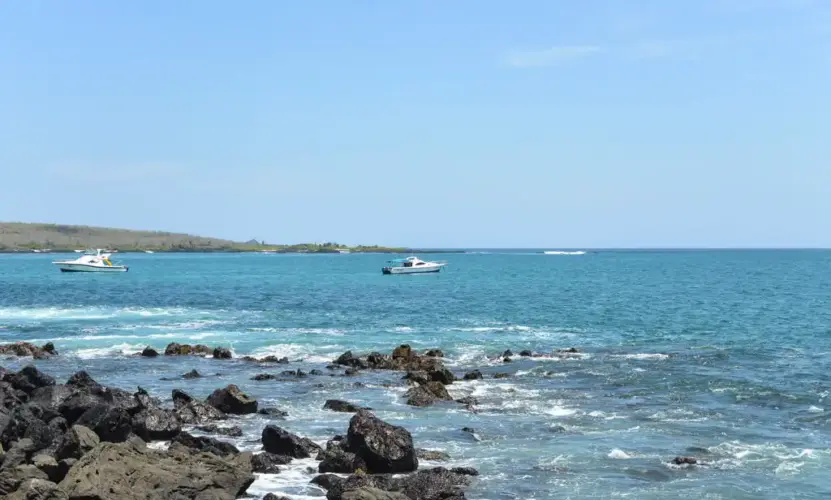
But snorkeling here isn’t simply about how many species you see. Look back toward shore and you’re seeing the same volcanic island from an entirely different perspective, with dark rocks, clear water, and wildlife moving between land and sea.
Explore Floreana’s Highlands
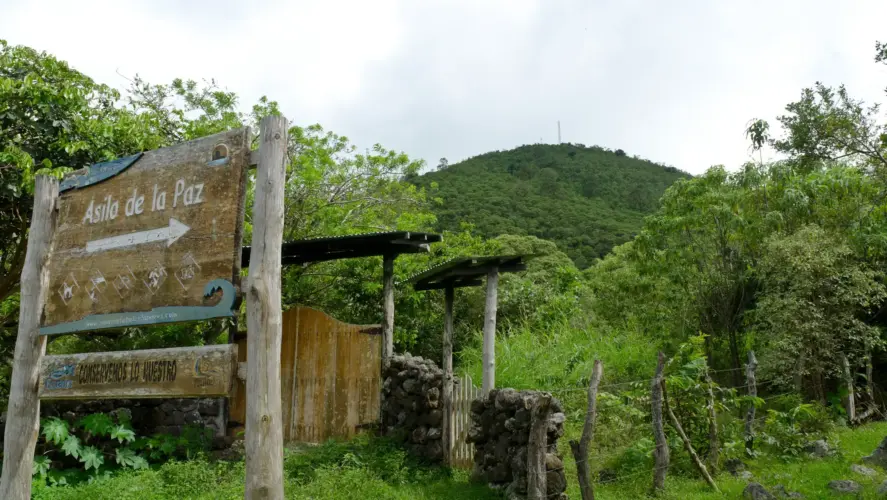
Head inland and uphill, and Floreana begins to change.
The dry coastal landscape gives way to greener vegetation, agricultural areas, and the freshwater sources that played such an important role in the island’s human history.
This is where the relationship between landscape and settlement becomes much easier to understand. Early residents needed reliable water and land where they could grow food, and the highlands offered possibilities that the drier coast did not.
Walking here therefore adds context to the history you’ve been reading about. Floreana’s settlers weren’t choosing where to live at random. They were adapting to what the island could provide.
See Floreana’s Conservation Story for Yourself
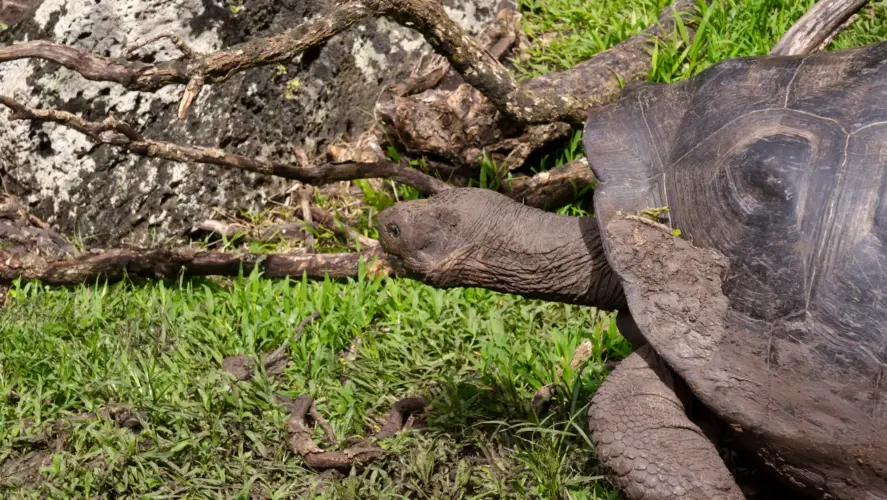
Earlier, we explored the remarkable story of Floreana’s giant tortoises and the efforts to restore the island’s ecosystems.
While you’re on Floreana, your guide can help connect what you’re seeing to that wider restoration story, from the effects introduced species have had on the island to the work being done to help native wildlife recover.
Rather than repeating the whole tortoise story here, this is the opportunity to see how conservation is changing Floreana on the ground.
Spend Time in Puerto Velasco Ibarra
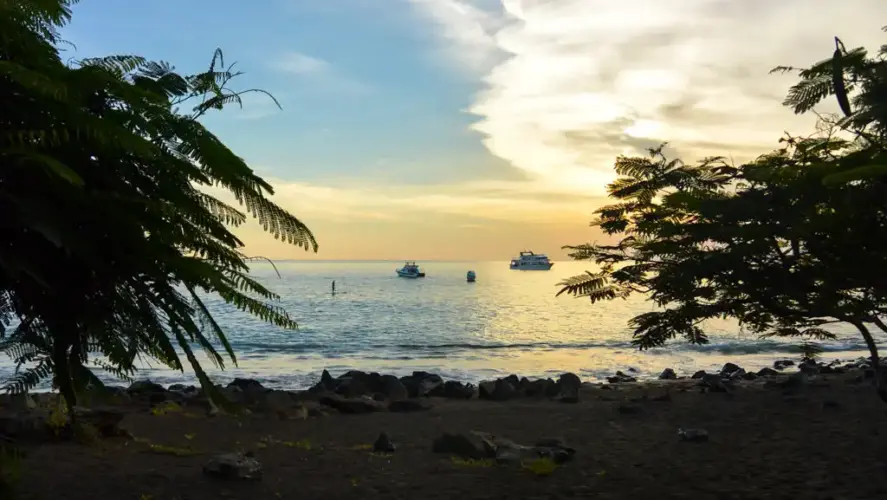
Floreana’s main settlement, Puerto Velasco Ibarra, is tiny, and that’s precisely what makes spending time here interesting.
This isn’t simply somewhere to return to between excursions. Walking around the community gives you a sense of everyday life on an island where the population is small and connections between families, tourism, conservation, agriculture, and the surrounding environment are especially visible.
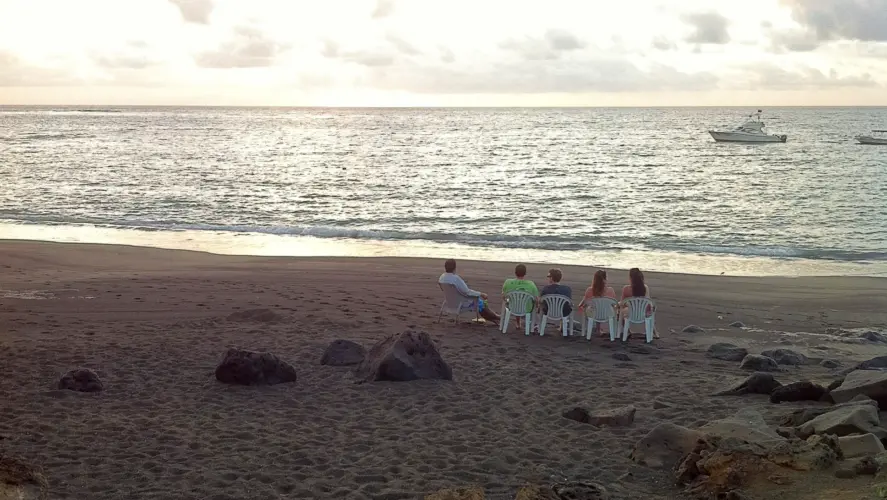
The coastline is part of that experience too. Rather than treating a beach or sunset as another attraction to check off, take some time to simply walk, watch for wildlife along the shore, and experience the quieter rhythm of the island after a day of exploring.
Experience Floreana Through Its Community
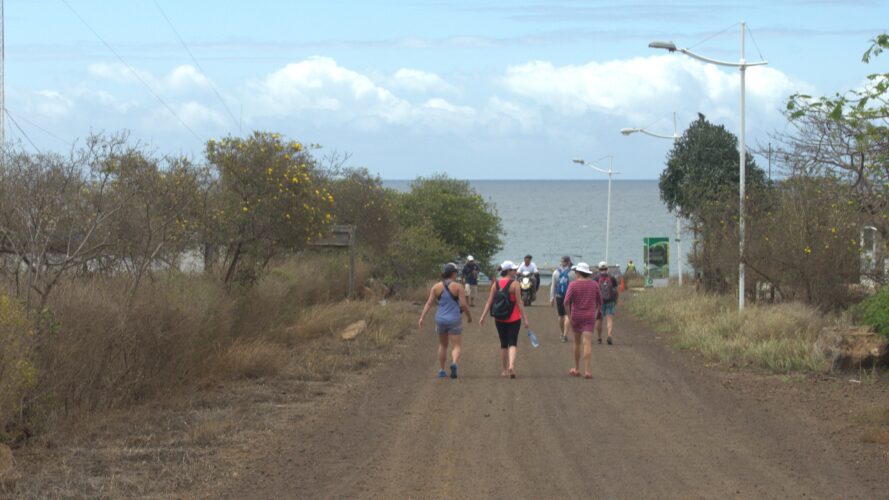
Some of Floreana’s most memorable stories aren’t attached to a visitor site at all.
Spending time on the island gives you opportunities to learn from people whose families have been part of its more recent history. Stories can emerge through conversations, meals, family traditions, and the experience of staying within such a small community.
For Galakiwi travelers, the connection with the Wittmer family makes this particularly interesting. Rather than only hearing about the family’s arrival on Floreana in the 1930s, you’re staying in a place still connected to their story.
Food can offer another window into that history. Recipes and family traditions passed through generations can reveal how people adapted to living with the ingredients and resources available on an isolated island.
These moments may not look as dramatic in photographs as snorkeling with a sea turtle or standing on a volcanic coastline. But they can tell you something those experiences can’t: what it has meant to make Floreana home.
Can You Stay on Floreana Island?
Yes, you can stay overnight on Floreana, with small-scale accommodation available in and around Puerto Velasco Ibarra.
And on an island like this, staying overnight makes a difference.
Once the day’s visitors have departed, Floreana becomes quieter. There’s more time to walk around the community, talk with local people, enjoy a meal, and experience the island without feeling that you need to move quickly from one visitor site to the next.
That slower pace is particularly valuable on Floreana because so much of what makes the island interesting isn’t contained within a single attraction. Its history, community, landscapes, wildlife, and conservation story are connected, and spending more time here gives those connections a chance to emerge.
For travelers interested in Floreana’s human history, where you stay can add another layer to the experience. On a Galakiwi trip, guests can stay at accommodation connected to the Wittmer family, whose history on Floreana stretches back to the settlement stories of the 1930s.
This is one of the advantages of exploring the Galápagos by land. An island doesn’t have to be somewhere you arrive, visit, and leave on the same day. You can wake up there, spend time with the people who call it home, and experience what happens when the pace of the island becomes the pace of your trip.
On Floreana, that extra time matters.
How Do You Get to Floreana Island?
Reaching Floreana requires a little more planning than traveling to some of the larger inhabited islands in the Galápagos.
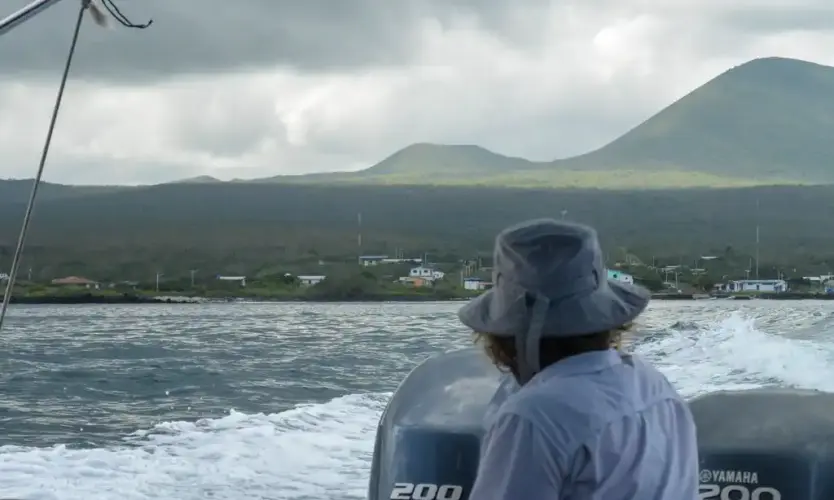
There is no airport on Floreana, so visitors arrive by sea. Boat connections are more limited, and availability can depend on current schedules, routes, and sea conditions. If you’re planning to stay overnight, it’s particularly important to coordinate your arrival and onward journey in advance rather than assuming you can simply arrange transportation when you get there.
On a Galakiwi itinerary, these inter-island logistics are organized as part of the trip. That’s especially useful on Floreana, where transportation needs to fit carefully with accommodation, activities, and your connections to the other islands.
Once those practical details are taken care of, the journey itself becomes part of experiencing the archipelago. Traveling by boat gives you a sense of the distances between the islands and just how isolated a small community like Floreana really is.
Is Floreana Island Right for Your Galápagos Trip?
Floreana is particularly rewarding for travelers interested in:
- Human history and storytelling
- Wildlife and conservation
- Small communities and quieter island experiences
- Snorkeling and wildlife watching
- Exploring beyond the most visited Galápagos routes
It’s an island for curious travelers who want to understand not only the wildlife of the Galápagos, but also how people have lived here, how human activity has changed the environment, and what is being done to restore it.
Floreana isn’t necessarily about finding the “best” island.
Each inhabited island offers a different window into the Galápagos. Santa Cruz, Isabela, San Cristóbal, and Floreana each have their own landscapes, communities, wildlife, and rhythms of island life.
What Floreana adds is something particularly distinctive: a tiny community, an extraordinary human history, important conservation stories, and the chance to experience a quieter, more remote side of the archipelago.
For the right traveler, that’s exactly why it’s worth making time for
Tips for Visiting Floreana
A little preparation goes a long way on an island as small and remote as Floreana.
Bring What You Need
Floreana has fewer shops and services than larger inhabited islands such as Santa Cruz and San Cristóbal. Bring any personal essentials, medications, or specific items you know you’ll need rather than assuming you’ll be able to buy them once you arrive.
Be Ready for Changing Conditions
Don’t assume the weather at the coast will tell you what to expect in the highlands. Conditions can become cooler and wetter as you gain elevation, and short periods of rain are possible.
Light layers and rain protection are useful, especially when your day includes both coastal and highland activities.
Embrace the Slower Rhythm
Floreana isn’t a place that needs to be rushed.
With a tiny community and fewer services, life here moves differently from the larger inhabited islands. Give yourself time to walk, notice what’s happening around you, and enjoy the quieter parts of the day rather than treating every hour as something that needs to be filled.
Ask About the Stories Behind What You See
Floreana becomes much more interesting when you understand the stories connected to its landscapes.
Ask your guide questions. Find out why freshwater mattered so much to early settlers, how introduced species changed the island, what conservation work is happening today, and how local families experience life on Floreana now.
A rock, trail, farm, bird, or old photograph can tell you much more when someone who knows the island helps put it into context.
And, as everywhere in the Galápagos, give wildlife plenty of space and follow your naturalist guide’s instructions and current Galápagos National Park guidelines.
FAQs About Floreana Island
Where is Floreana Island in the Galápagos?
Floreana is located in the southern part of the Galápagos archipelago. Its main settlement is Puerto Velasco Ibarra, on the island’s western coast.
Can You Visit Floreana Without a Cruise?
Yes. Floreana can be included as part of a land-based Galápagos itinerary, allowing you to travel to the island by boat and stay overnight rather than visiting only as part of a cruise.
Because transportation and accommodation are more limited than on larger inhabited islands, it’s important to plan your connections in advance.
What Happened to the Settlers of Floreana Island?
Several European settlers arrived on Floreana during the 1930s, including Friedrich Ritter and Dore Strauch, the Wittmer family, and the self-styled Baroness Eloise von Wagner Bosquet and her companions.
Disappearances, deaths, conflicting accounts, and unanswered questions surrounding the group became known as the Floreana mystery. Some details remain uncertain, while others have become mixed with legend through decades of retelling.
How Many Days Should You Spend on Floreana?
It depends on your wider Galápagos itinerary and what you want to experience. A day visit can introduce you to part of Floreana, while staying overnight gives you more time for its community, landscapes, history, and quieter rhythm of island life.
An Island With Stories to Tell
Floreana is an island where the past never feels particularly far away.
You find it in the stories of the people who tried to make a life here, in families whose connection to the island continues today, and in a landscape that still carries the effects of centuries of human activity.
But Floreana’s story isn’t only about what happened in the past.
It’s also about what happens next.
Ambitious conservation work is creating new possibilities for native species and habitats, while a small community continues to live, work, and adapt on one of the Galápagos‘ more remote inhabited islands.
Perhaps that’s the most interesting reason to spend time here. You aren’t visiting an island whose story has already been written. You’re experiencing a place where the relationship between people and nature is still evolving.
For travelers curious about the human side of the Galápagos, Floreana adds a perspective that’s difficult to find anywhere else in the archipelago.
You can experience it as part of our 10-day Galápagos tour, or talk to our team about including Floreana in a custom land-based itinerary alongside other inhabited islands.
| |